Zehnder’s Buttered Noodles Recipe (Tested 3 Times)

If you’ve ever eaten at Zehnder’s in Frankenmuth, Michigan, you know the noodles are the reason half the table skips the chicken. Wide, soft egg noodles glossed in real butter, nothing fancy about them at all — and somehow impossible to stop eating.
I tried to recreate this zehnder’s buttered noodles recipe three times before I got the texture right. My first batch was dry by the time it hit the table. My second batch was greasy, with pooled butter sitting on top instead of clinging to the noodles. The third batch is the one below.
The fix was smaller than I expected: reserved pasta water. It’s the difference between noodles that look buttered and noodles that actually taste buttered in every bite.
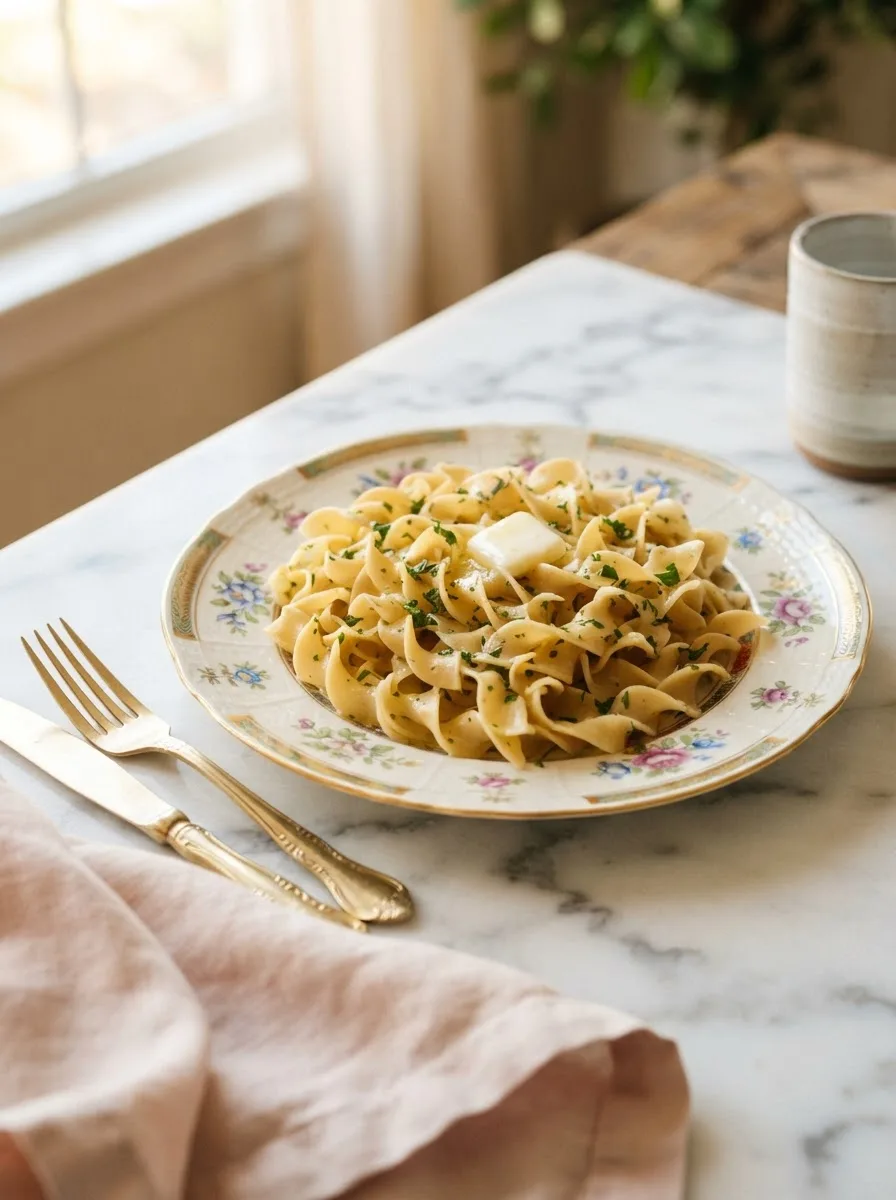
The result is a side dish that tastes like it came straight from the Bavarian dining room — glossy, rich, and coated evenly from the first noodle to the last. It takes about 20 minutes, uses one pot for the noodles and one pan for finishing, and there’s no cream, no cheese, and no flour involved. Just noodles, butter, and a little bit of technique.
★★★★★ “I grew up two hours from Frankenmuth and have tried recreating these noodles for years. This is the closest I’ve gotten — the pasta water trick is the part everyone skips.” — Diane R., recipe tester (pre-launch)
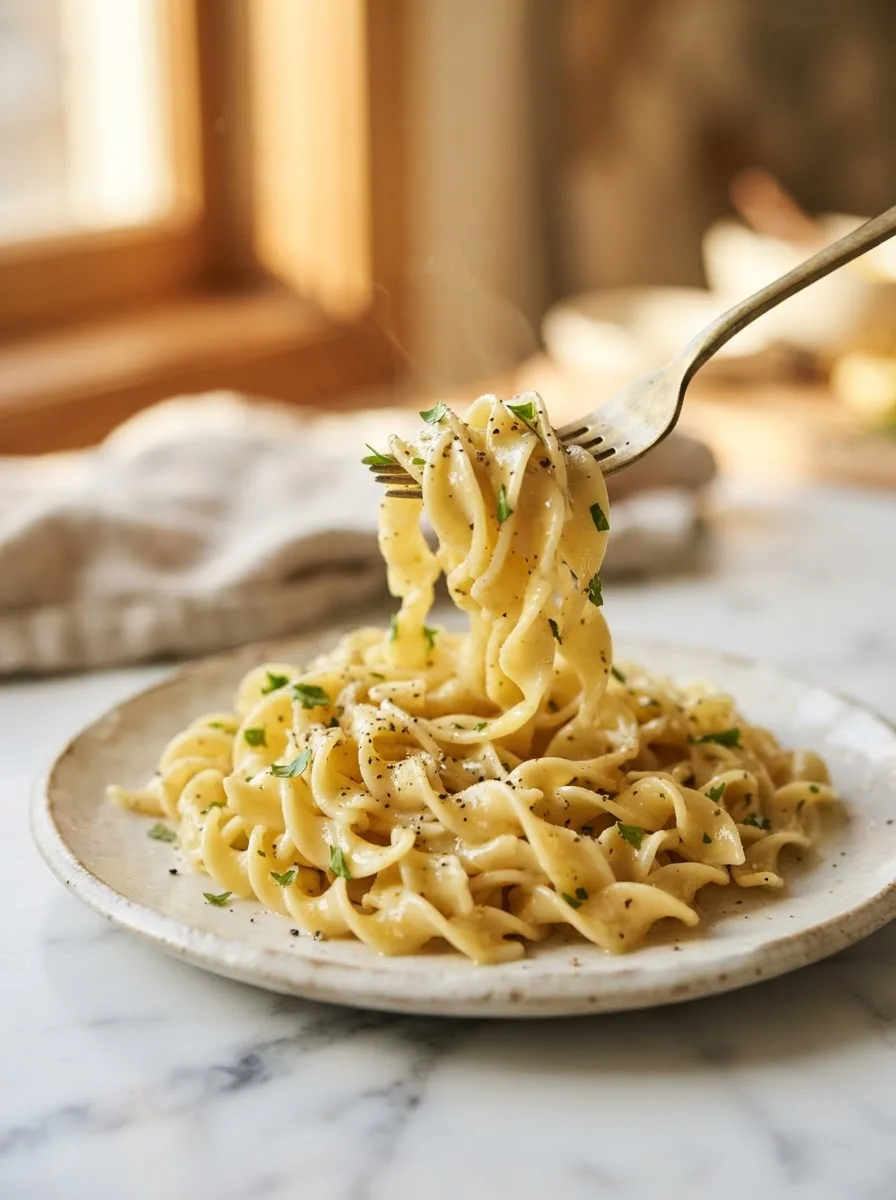
Why You’ll Love This Zehnder’s Buttered Noodles Recipe
- Tastes just like the original: Wide egg noodles, real butter, and a light hand with seasoning — no cream sauce hiding the flavor.
- Ready in 20 minutes: One pot for boiling, one pan for finishing. No special skill required.
- Only 5 ingredients: Noodles, butter, salt, pepper, and parsley. Nothing to hunt down at a specialty store.
- Pairs with almost anything: This is the side dish that saves a plain roast chicken or a simple pork chop dinner.
Key Ingredients
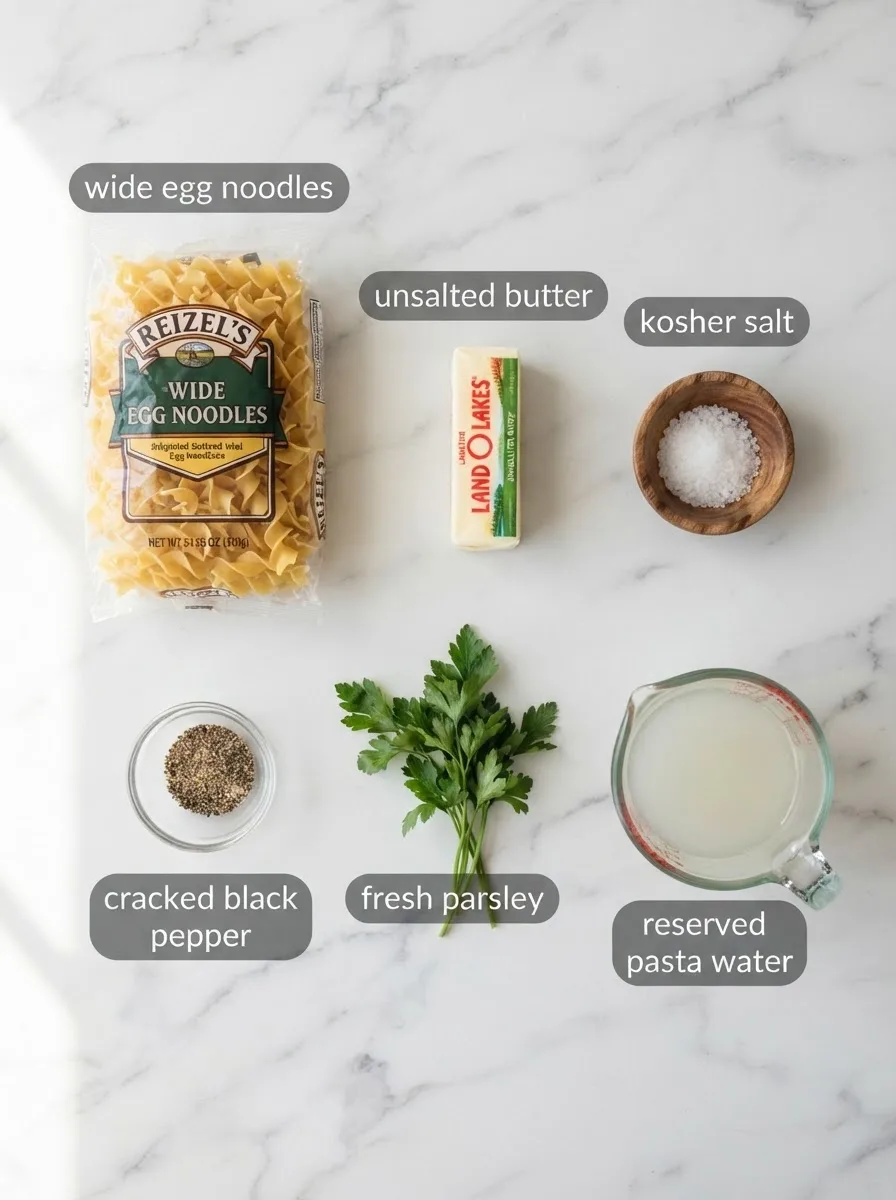
Wide egg noodles (12 oz). This is non-negotiable — the wide, ribbon-cut style is what gives Zehnder’s noodles their signature bite. Thin egg noodles or spaghetti-style noodles slip off the fork instead of holding the butter.
Unsalted butter (6 tablespoons). Real butter, not margarine. Six tablespoons sounds like a lot for one pound of noodles, but this is genuinely what makes the dish taste like the restaurant version instead of a home compromise.
Reserved pasta water (¼ cup). This is the ingredient most copycat recipes skip entirely. The starch in the water helps the butter cling to the noodles instead of pooling at the bottom of the bowl.
Fresh parsley (2 tablespoons, chopped). Purely for color and a touch of freshness. Dried parsley works in a pinch but tastes noticeably flatter.
Kosher salt and black pepper. Season the noodles directly — this dish has no sauce to hide behind, so the seasoning has to be right at the source.
Ingredient Note: Do not rinse the noodles after draining. Rinsing washes away the starch that helps the butter cling — this is the single most common reason homemade buttered noodles taste greasy instead of glossy.
Equipment You’ll Need
- Large pot — for boiling the noodles; any 4-quart or larger pot works.
- Large skillet or sauté pan — for finishing the noodles in butter; a 10–12 inch pan gives enough room to toss without spilling.
- Colander — for draining. Reserve the pasta water before you drain, not after.
- Tongs — for tossing the noodles evenly in the butter. A wooden spoon works if you don’t have tongs.
Controlling the Butter Ratio (A Controlled Test)
The most important variable in this recipe isn’t the noodles — it’s how much butter you use and when the pasta water gets added. I tested three versions of this recipe side by side, changing only the butter amount and the presence of reserved pasta water.
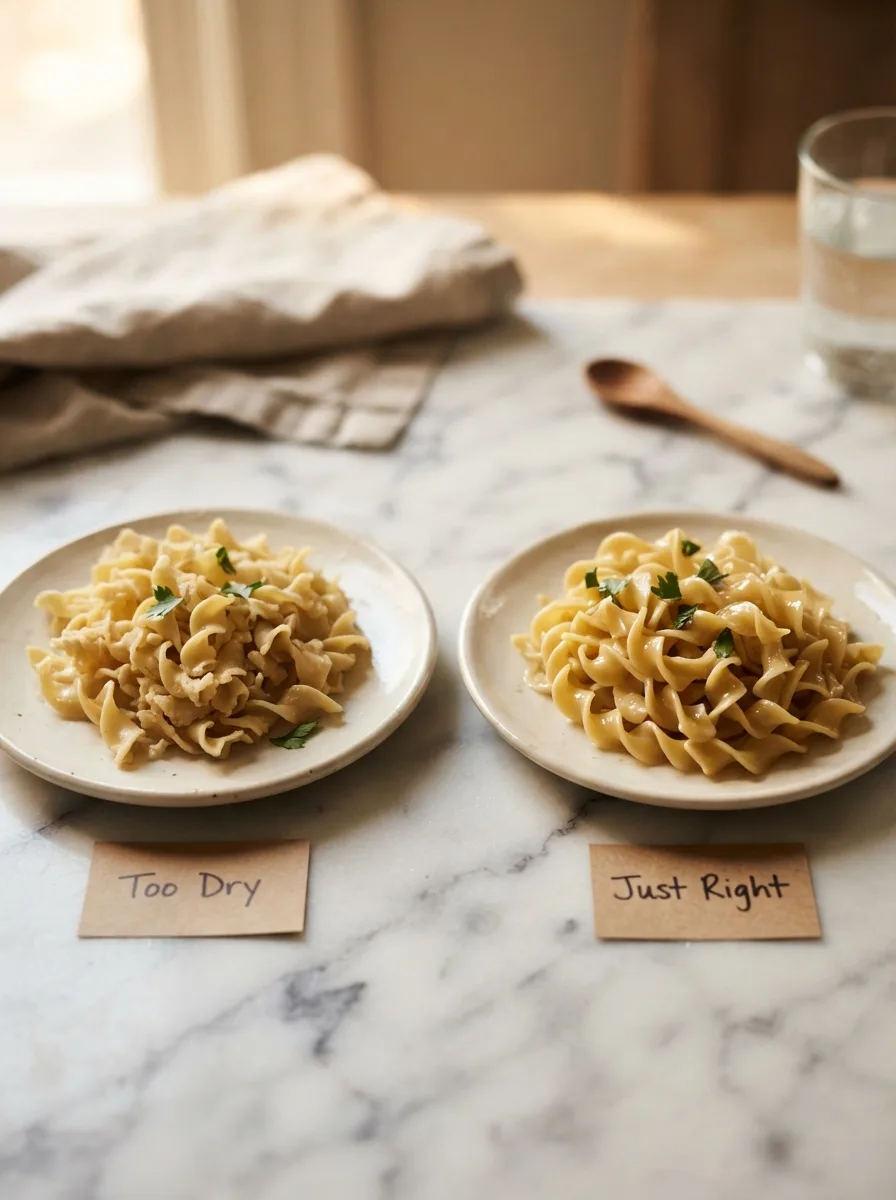
3 tablespoons butter, no pasta water: The noodles looked matte and dry within five minutes of sitting. This is the version most home cooks end up with.
6 tablespoons butter, no pasta water: Better, but the butter pooled at the bottom of the bowl instead of clinging to the noodles. Rich, but sloppy.
6 tablespoons butter, plus ¼ cup reserved pasta water: This is the version below. The starchy water helps the butter emulsify into a light coating that clings to every noodle instead of sitting on top. This is the closest to the actual Zehnder’s texture.
The takeaway: butter alone isn’t the secret. Butter plus starchy pasta water is what creates the glossy, restaurant-style finish.
How to Make Zehnder’s Buttered Noodles
Before you start: Bring a large pot of well-salted water to a rolling boil before you do anything else. This recipe moves fast once the noodles are cooked.
Step 1 — Boil the noodles
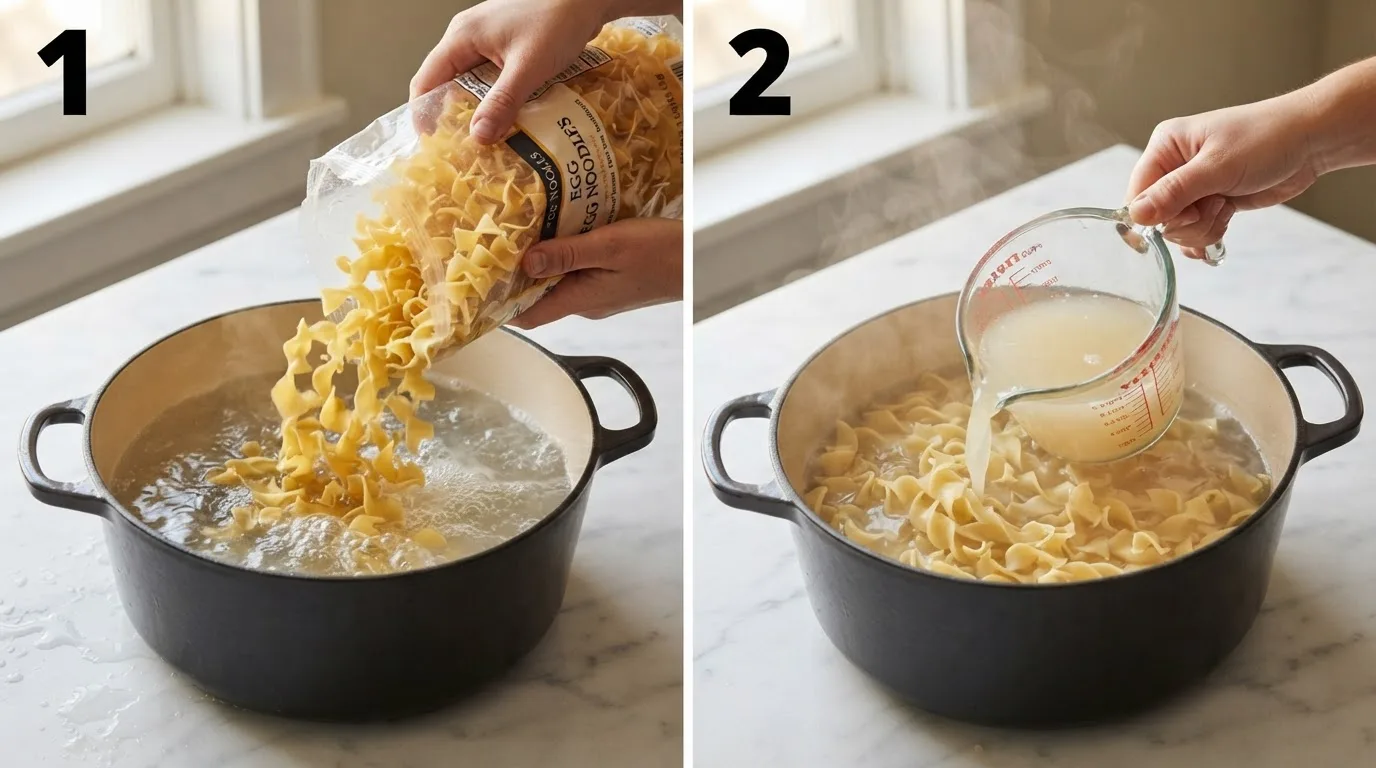
Add the wide egg noodles to the boiling salted water and cook according to the package directions, usually 7–9 minutes, until just tender. Wide egg noodles cook faster than you’d expect — check a minute early so they don’t go soft and mushy.
Step 2 — Reserve the pasta water
Right before you drain, scoop out ¼ cup of the pasta water and set it aside. This is the step that gets skipped most often — do it now, because once the water is down the drain, it’s gone.
Step 3 — Drain without rinsing
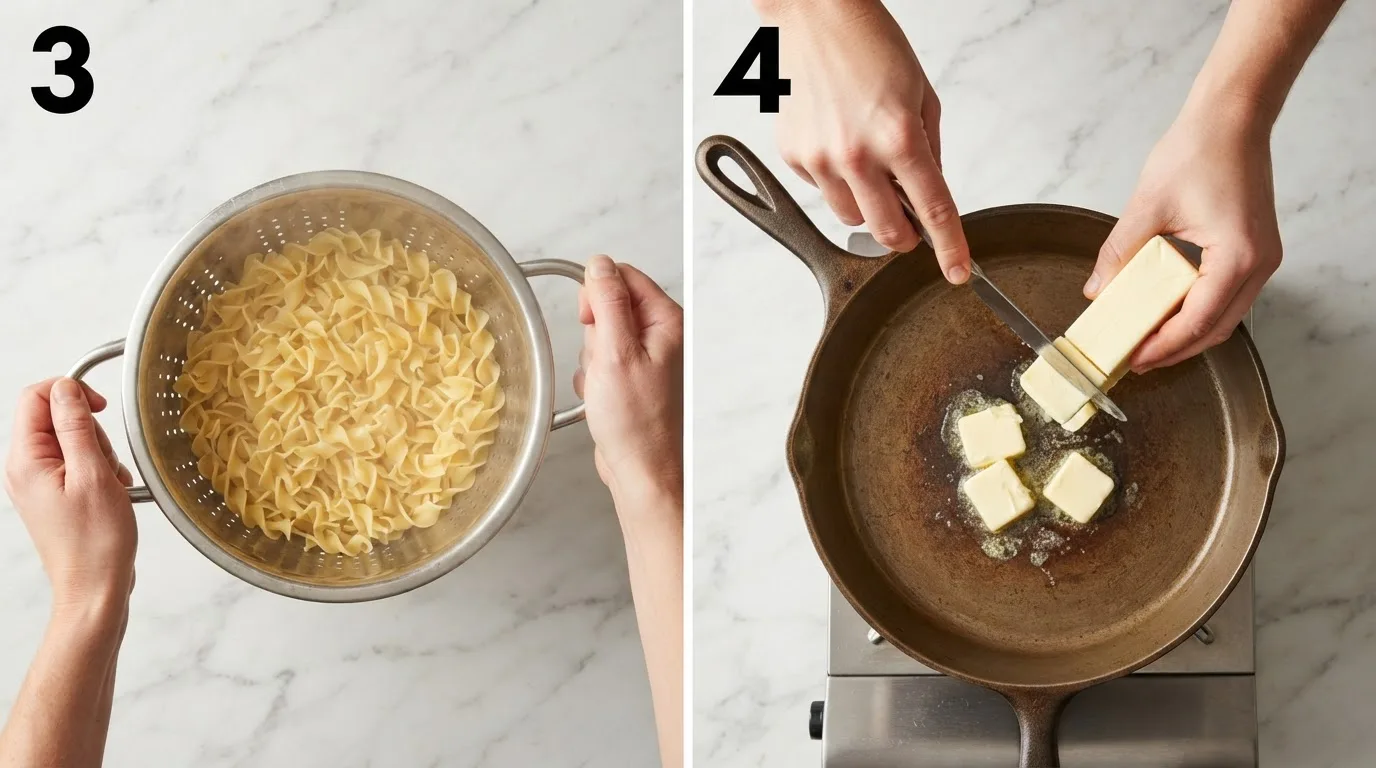
Drain the noodles in a colander and do not rinse them. The starch clinging to the noodles right now is exactly what helps the butter stick in the next step.
Step 4 — Melt the butter in the skillet
While the noodles drain, melt the butter in a large skillet over medium-low heat. Let it just melt — don’t let it brown or bubble aggressively. Browned butter tastes great in other recipes, but it changes the flavor profile Zehnder’s noodles are known for.
Step 5 — Toss the noodles with butter and pasta water
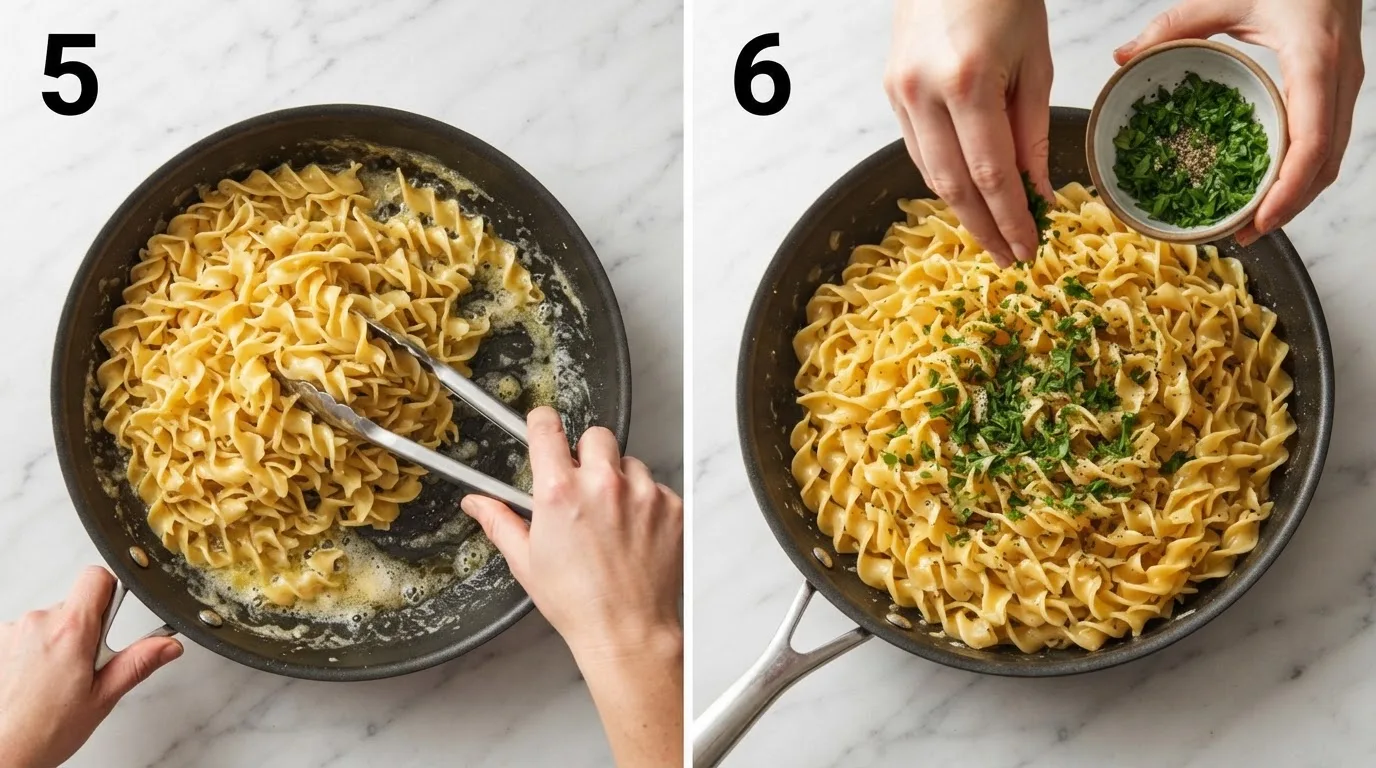
Add the drained noodles directly to the skillet with the melted butter. Pour in the reserved pasta water and toss with tongs until every noodle is coated and glossy, about 1–2 minutes. You’ll see the sauce go from watery to slightly thickened and clingy — that’s the starch doing its job.
Step 6 — Season and serve immediately
Season with kosher salt and black pepper to taste, then sprinkle with the chopped parsley. Serve right away — these noodles are best in the first few minutes, while the butter coating is still glossy and warm.
Pro Tips for Perfect Zehnder’s Buttered Noodles
Tip 1: Salt the pasta water generously. These noodles have no sauce to carry seasoning, so the pasta water needs to taste seasoned on its own — like light seawater.
Tip 2: Undercook the noodles by 30–60 seconds. They’ll finish cooking slightly in the hot butter, and this prevents the mushy texture that ruins a lot of homemade versions.
Tip 3: Don’t walk away once the noodles hit the skillet. This dish comes together fast. Toss constantly for the full 1–2 minutes so the butter and starch emulsify evenly instead of separating.
Tip 4: Warm the serving bowl. These noodles cool and stiffen quickly. A warm bowl keeps the texture right for longer at the table.
Variations and Substitutions
Dietary Variations:
- Gluten-free: Swap in a gluten-free wide egg noodle (Jovial and Le Veneziane both hold up well). Cook 1–2 minutes less than the package suggests, since gluten-free noodles go soft faster.
- Dairy-free: Use a plant-based butter with at least 80% fat content, like Miyoko’s or Country Crock Plant Butter. The glossy finish is slightly less rich, but the technique still works.
Flavor Variations:
- Garlic butter noodles: Add 1 minced garlic clove to the butter while it melts in Step 4, before the noodles go in.
- Parmesan finish: Toss in 2 tablespoons of finely grated Parmesan along with the parsley for a nuttier, saltier version.
Ingredient Substitutions:
- Wide egg noodles → pappardelle (slightly chewier, less traditional but works well)
- Fresh parsley → 1 teaspoon dried parsley (flavor will be flatter but acceptable)
If you’re building a full comfort-food menu around this dish, my tom nichols lamb recipe pairs surprisingly well with these noodles as the starch side.
Troubleshooting
Why are my noodles dry and clumpy instead of glossy?
This almost always means the pasta water was skipped or the noodles were rinsed after draining. Both steps remove the starch that helps the butter cling. Next time, reserve ¼ cup of pasta water before draining and skip the rinse entirely.
Why does my butter separate and pool instead of coating the noodles?
This happens when the butter is added off the heat, or the noodles sit too long before tossing. Keep the skillet on low heat while tossing, and add the noodles to the melted butter immediately after draining, not after they’ve cooled.
My noodles turned mushy — what happened?
The noodles were likely overcooked in the boiling water. Wide egg noodles continue to soften slightly in the hot butter, so pull them from the boiling water 30–60 seconds before the package time suggests.
Storage and Make-Ahead
Counter: These noodles are best served immediately and don’t hold well at room temperature for more than 30 minutes — the butter coating stiffens as it cools.
Refrigerator: Store in an airtight container for up to 3 days. The noodles will firm up in the fridge; this is normal.
Freeze: Not recommended. Buttered noodles turn watery and separate when frozen and thawed.
Reheating: Add a splash of water or milk to a skillet over low heat, then toss the noodles in gently with a fresh pat of butter until warmed through and glossy again.
Make-Ahead: You can boil and drain the noodles up to a day ahead. Toss with a light coating of butter before refrigerating, then finish with the remaining butter and a fresh splash of hot water when ready to serve.
Frequently Asked Questions
Q: What kind of noodles does Zehnder’s actually use? A: Zehnder’s uses wide, ribbon-cut egg noodles — not thin egg noodles or spaghetti-style pasta. The width is what gives the dish its signature texture.
Q: Can I make zehnder’s buttered noodles ahead of a big dinner? A: Yes. Boil and drain the noodles up to a day ahead, toss lightly in butter, and refrigerate. Finish with the rest of the butter and a splash of hot water right before serving.
Q: Why does the recipe call for so much butter? A: Because there’s no sauce hiding behind it. Six tablespoons for a pound of noodles matches the richness of the restaurant version — using less results in a drier, flatter dish.
Q: Can I use regular egg noodles instead of wide ones? A: You can, but the texture won’t match. Thin noodles slip off the fork and don’t hold the butter coating the same way wide noodles do.
Q: Do I really need to reserve the pasta water? A: Yes — this is the single biggest difference between noodles that look buttered and noodles that taste buttered all the way through. The starch in the water helps emulsify the butter into a light, clinging coating.
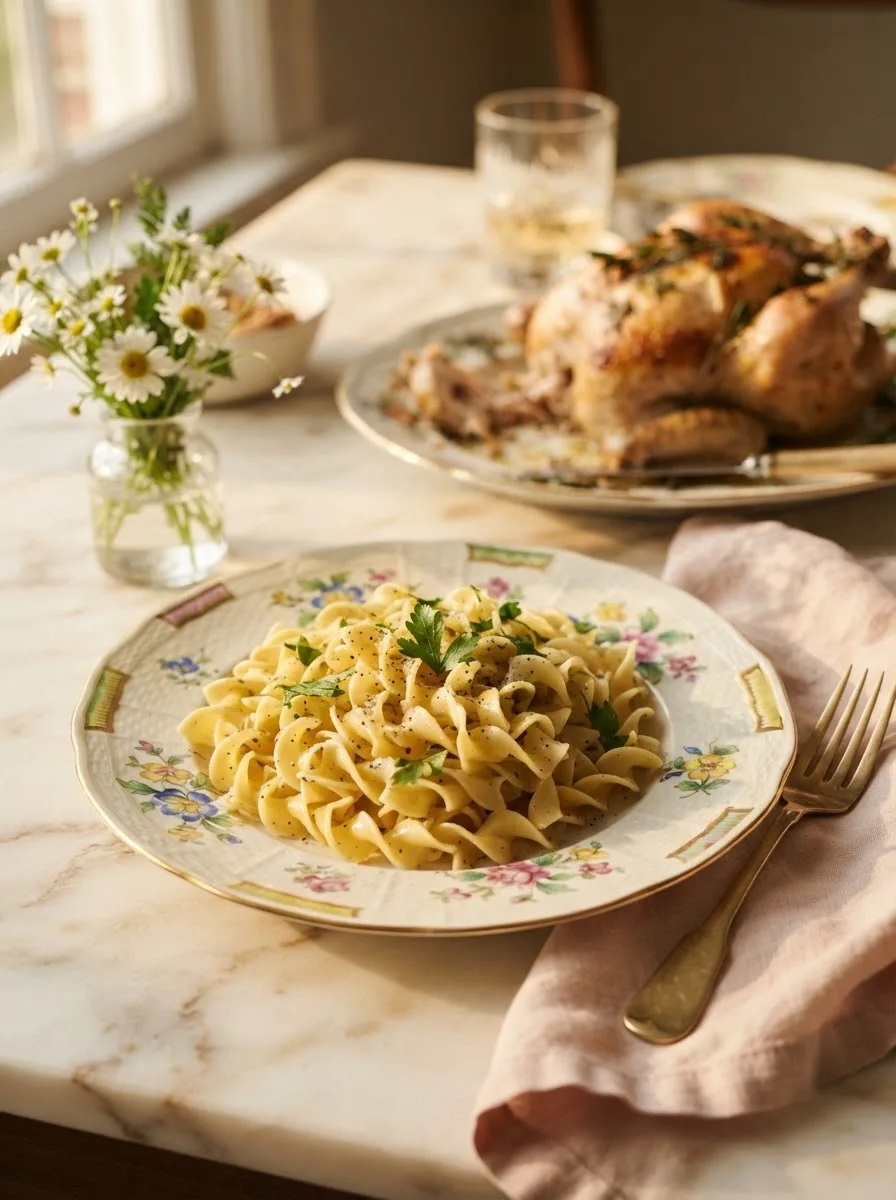
Q: What should I serve with buttered noodles? A: Zehnder’s traditionally serves these alongside roast or fried chicken, but they work equally well with pork chops, meatloaf, or even a simple green salad for a lighter meal.
More Recipes You’ll Love
- Dirty Crackers — a salty, seasoned cracker snack that’s dangerously easy to keep eating.
- Tom Nichols Lamb Recipe — a rich, slow-cooked lamb dish that pairs beautifully with these buttered noodles.
- Sovitika Poyivia Recipe — a comforting traditional dish worth adding to your dinner rotation.
- El Pastor Burrito — a completely different direction for dinner, but just as reliably tested.
Zehnder’s Buttered Noodles Recipe (Tested 3 Times)
Ingredients
For the noodles:
- 12 oz wide egg noodles
- 1 tablespoon kosher salt (for the pasta water)
For the butter finish:
- 6 tablespoon unsalted butter
- 1/4 cup reserved pasta water
- 2 tablespoon fresh parsley, chopped
- Kosher salt, to taste
- Black pepper, to taste
Instructions
- Bring a large pot of water to a rolling boil and add 1 tablespoon kosher salt.
- Add the wide egg noodles and cook according to package directions, pulling them 30–60 seconds early so they stay slightly firm.
- Right before draining, scoop out and reserve ¼ cup of the pasta water.
- Drain the noodles in a colander without rinsing.
- In a large skillet over medium-low heat, melt the butter until just liquid — do not let it brown.
- Add the drained noodles and reserved pasta water to the skillet. Toss with tongs for 1–2 minutes until the noodles are evenly coated and glossy.
- Season with kosher salt and black pepper to taste, then sprinkle with chopped parsley.
- Serve immediately while the butter coating is still glossy and warm.
Notes
- Do not rinse the noodles after draining — the starch left on them helps the butter cling instead of pooling.
- Reserve the pasta water before you drain, not after. Once it's down the drain, it's gone.
- Wide, ribbon-cut egg noodles are essential for matching the original texture; thin egg noodles don't hold the coating the same way.
- For a dairy-free version, use a high-fat plant-based butter (80%+ fat) for the closest texture match.
- Leftovers keep in the refrigerator for up to 3 days; refresh with a splash of water or milk and a fresh pat of butter when reheating.
- This recipe does not freeze well — the butter coating separates and turns watery once thawed.
- If prepping ahead, toss the drained noodles in a light coating of butter before refrigerating, then finish with the remaining butter and hot water just before serving.