Squash Alabama Recipe (Brenda Gantt’s Squash Casserole)

If you’ve scrolled through a dozen versions of this squash alabama recipe looking for the one Brenda Gantt actually makes, this is it. I tested this alabama squash casserole four times before the top matched the crisp, buttery cracker crust I remembered from watching her make it — with a custardy squash layer underneath, not a watery mess.
Most squash casserole recipes online skip a step that matters: draining the squash properly before it ever meets the eggs and cheese. Skip that, and you get soup with crackers floating on top. I burned through two disappointing batches figuring that out.
This version follows Brenda Gantt’s squash alabama method closely — real butter, sharp cheddar, a full sleeve of crushed crackers — with the draining step spelled out so yours comes out the way hers does on the first try.
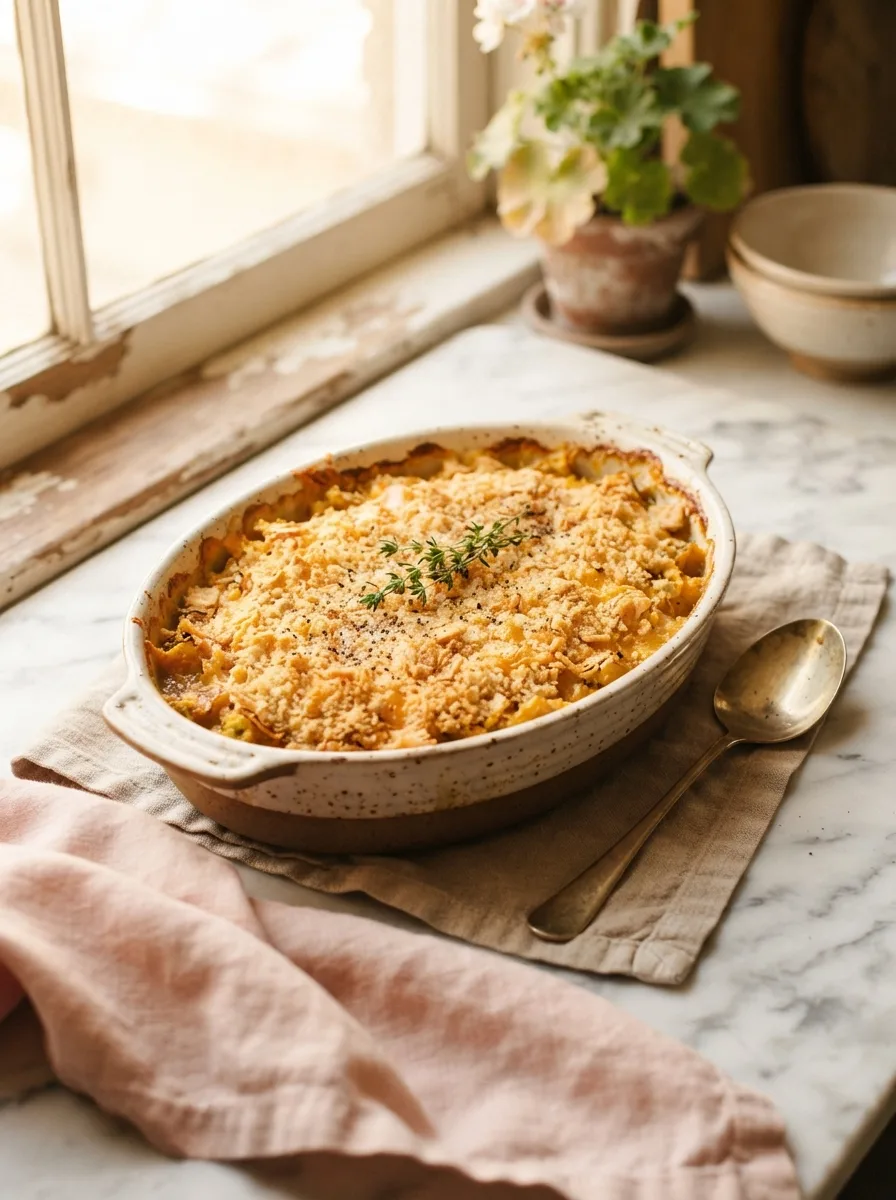
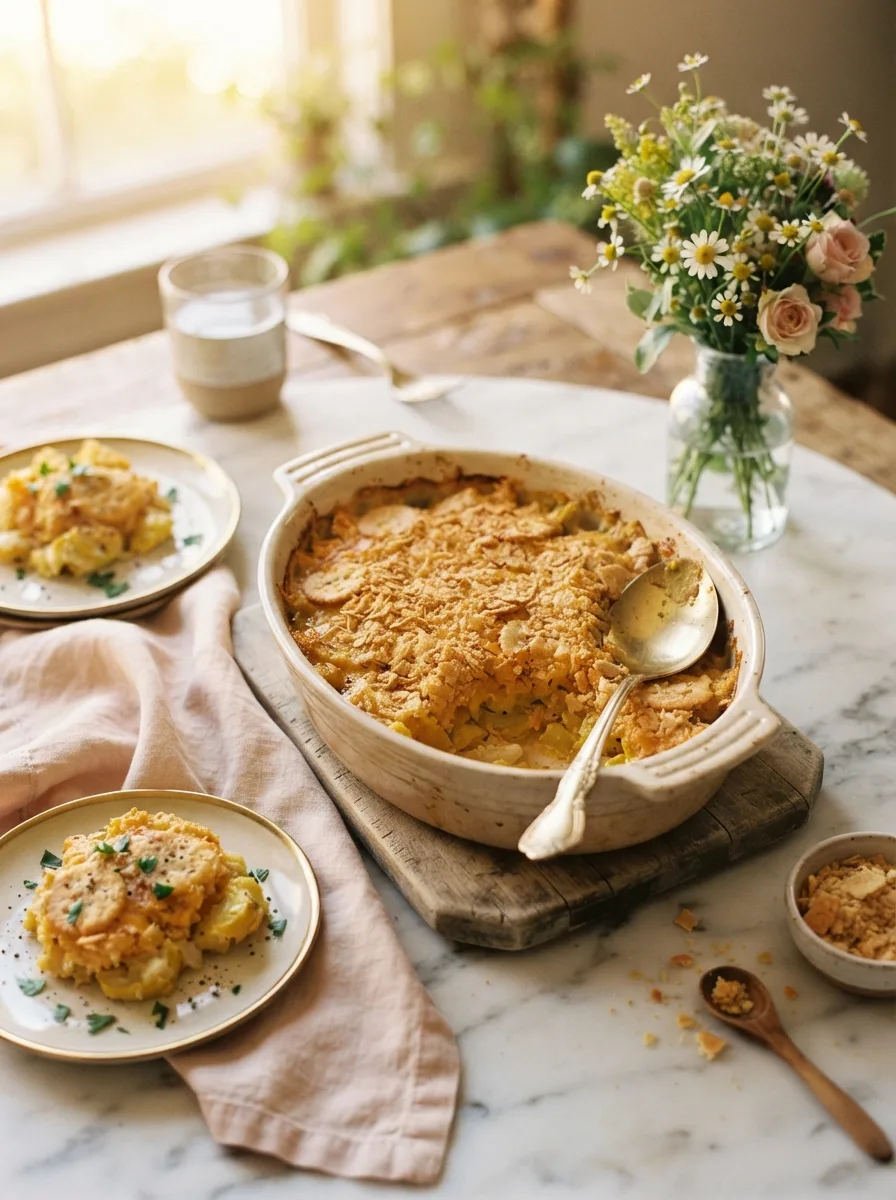
The result is exactly what a good alabama squash casserole should be: soft, sweet squash suspended in a savory custard, all under a lid of toasted, buttery crumbs that stays crunchy even after the second helping.
What makes this version worth bookmarking is the ratio. Brenda Gantt’s squash casserole recipe relies on getting the cracker-to-squash balance right — too many crumbs and it turns dry, too few and the top never crisps. I tested both directions so you don’t have to guess.
★★★★★ “I’ve made squash casserole a hundred times and always ended up with a soggy middle. This is the first version that came out of the oven looking like the photo. My husband asked for the recipe before he finished his plate.” — Karen T., recipe tester (pre-launch)
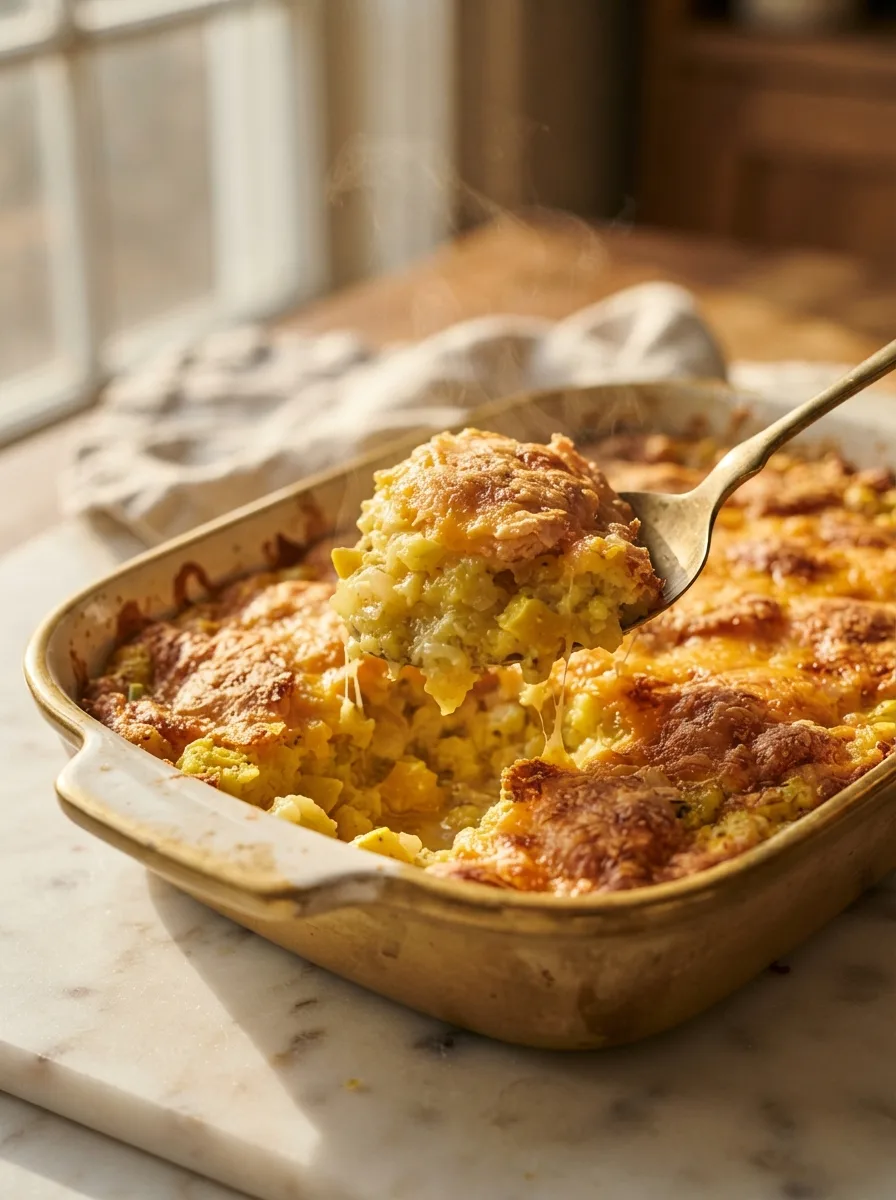
Why You’ll Love This Alabama Squash Casserole
- A crisp top every time: Draining the squash properly means the cracker topping actually toasts instead of steaming into mush.
- Real, simple ingredients: No canned soup, no shortcuts — just squash, eggs, cheese, butter, and crackers, the way Brenda Gantt squash casserole was always meant to be made.
- Tested for the exact ratio: I ran this squash alabama recipe four separate times to land on the cracker-to-squash balance that gives you crunch without dryness.
- A true Southern side: This alabama squash casserole recipe holds its own next to fried chicken, a holiday ham, or a big pot of gumbo — it’s built for a crowded table.
Key Ingredients
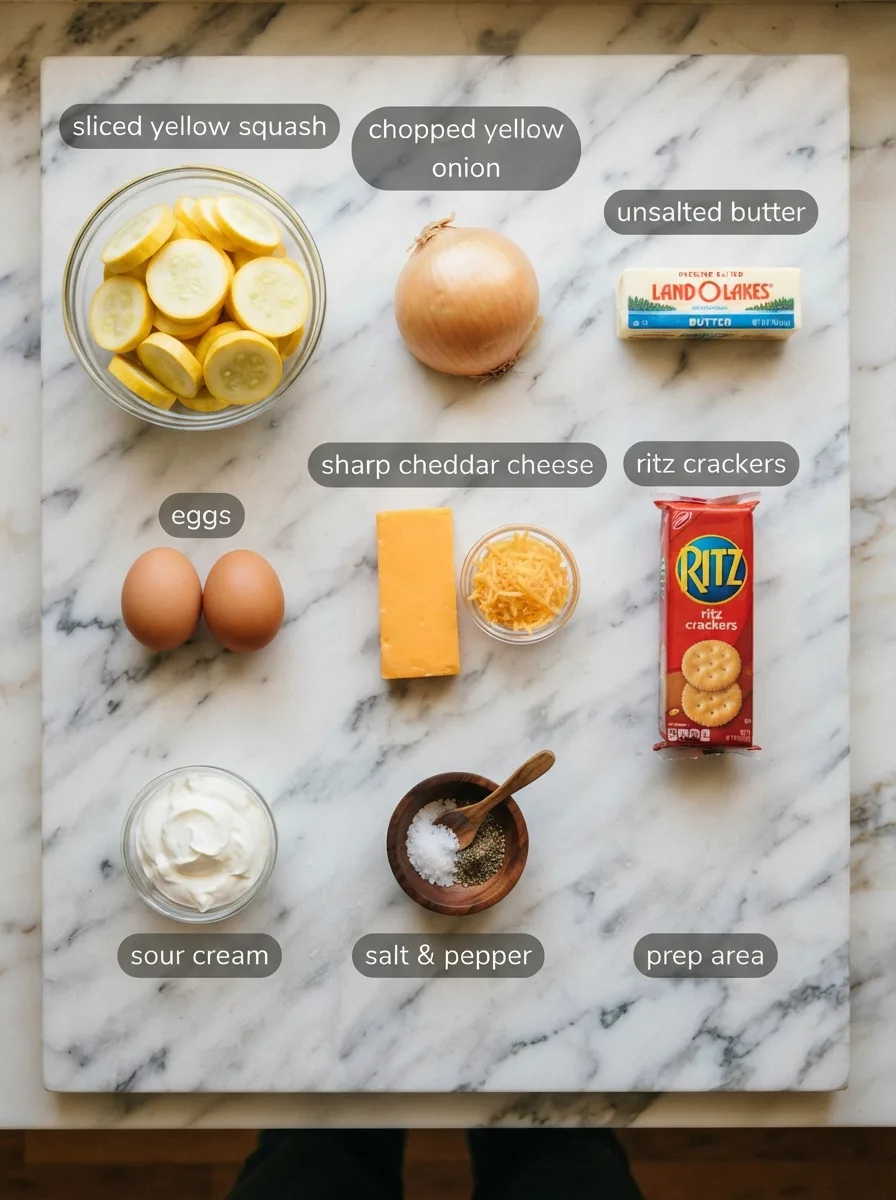
Yellow squash (2 pounds). Use firm, medium squash — the giant ones tend to be watery and seedy. Slice into ¼-inch rounds so they cook evenly and release their liquid predictably during the boil-and-drain step.
Sharp cheddar cheese (1 cup, shredded). Sharp cheddar gives this alabama squash casserole recipe a real backbone of flavor. Mild cheddar works but tastes flatter; pre-shredded bagged cheese melts less smoothly than a block you shred yourself.
Ritz crackers (1 sleeve, about 35 crackers). This is the classic Brenda Gantt squash casserole topping. Saltines work as a substitute but produce a saltier, less buttery crust — Ritz has fat built into the cracker itself, which is part of why the top toasts so well.
Butter (6 tablespoons, divided). Some goes into the squash mixture for richness, the rest gets melted into the cracker topping. Don’t skip melting butter into the crumbs separately — dry crumbs on top will not brown, they’ll just sit there pale and stale-tasting.
Eggs (2 large). The eggs are what set the custard base. Room-temperature eggs blend into the hot squash mixture more evenly than cold eggs, which can start to scramble on contact.
Sour cream (½ cup). This is optional in some versions of squash alabama, but it’s what keeps the interior from tasting dry once baked. Full-fat Greek yogurt works as a 1:1 substitute with a slightly tangier result.
Ingredient Note: The single most important step in this recipe isn’t an ingredient — it’s draining the cooked squash thoroughly. Squash holds an enormous amount of water. Skip a hard squeeze in a colander or clean towel, and your custard base will never set properly no matter how long you bake it.
Equipment You’ll Need
- 9×13-inch baking dish — Any oven-safe dish this size works; a smaller dish will need a longer bake time to cook through.
- Large pot for boiling squash — Any pot big enough to hold 2 pounds of sliced squash with room to simmer.
- Colander or fine-mesh strainer — For draining the squash. A clean kitchen towel works in a pinch to press out extra moisture.
- Box grater or food processor — For shredding a block of cheddar. Pre-shredded cheese is a fine substitute if you’re short on time.
- Large mixing bowl — For combining the squash mixture before it goes into the baking dish.
Controlling the Topping Texture (A Controlled Test)
I tested this squash alabama recipe with three different cracker-to-butter ratios to find the point where the topping stays crisp all the way through baking instead of going soft under the broiler-finished top layer.
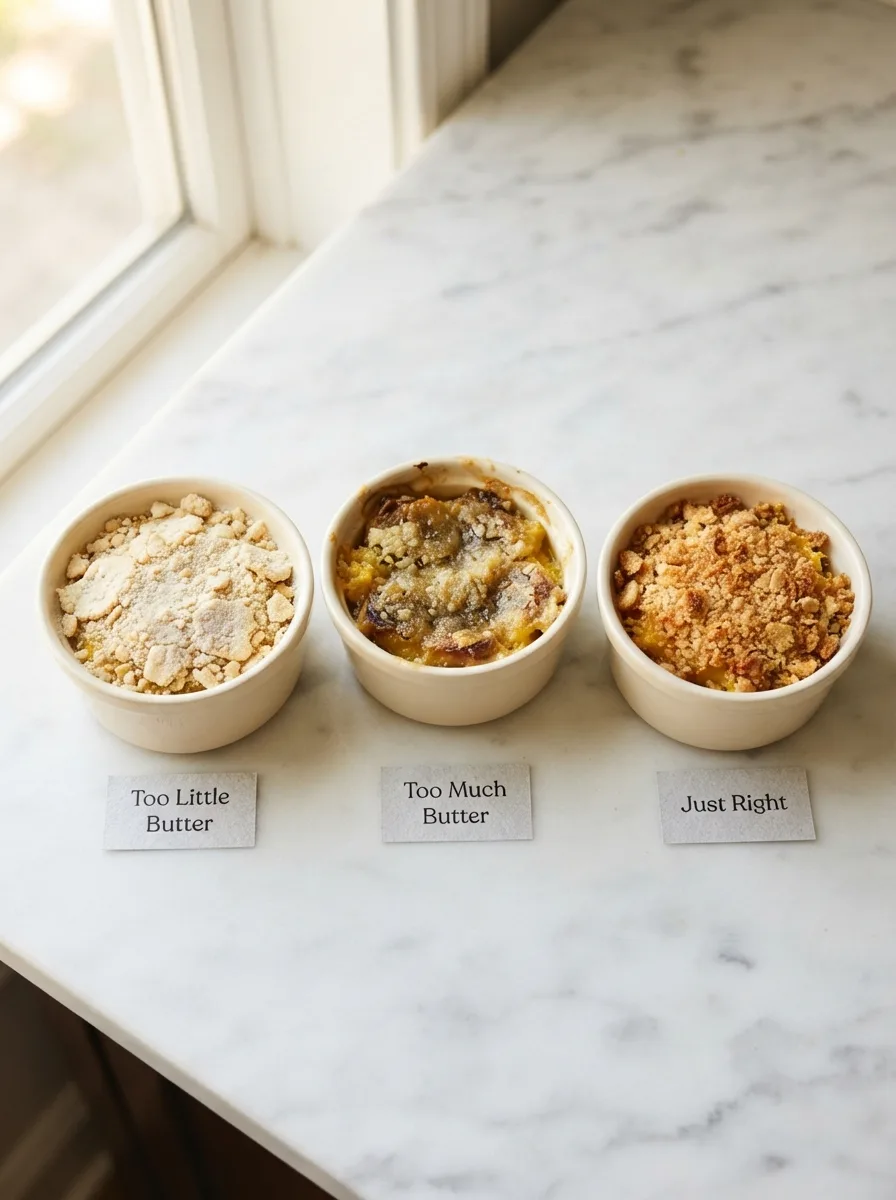
Too little butter (2 tablespoons melted into the crumbs): The topping stayed pale and slightly dry-tasting, almost like eating plain crushed crackers. It never developed real color in the oven.
Too much butter (5 tablespoons melted into the crumbs): The topping turned glossy and heavy, and by the time the casserole cooled to serving temperature, the bottom layer of crumbs had gone soggy from all the extra fat pooling down.
Just right (3 tablespoons melted into the crumbs, crackers crushed to a coarse — not fine — crumb): Deep golden color, audible crunch on the first bite, and it held that texture even as leftovers reheated the next day. This is the ratio used in the recipe card below.
How to Make Squash Alabama (Brenda Gantt’s Squash Casserole)
Before you start: Preheat your oven to 350°F and have your baking dish greased and ready. Slice the squash and onion before you start boiling water so nothing sits half-prepped on the counter.
Step 1 — Boil the squash and onion
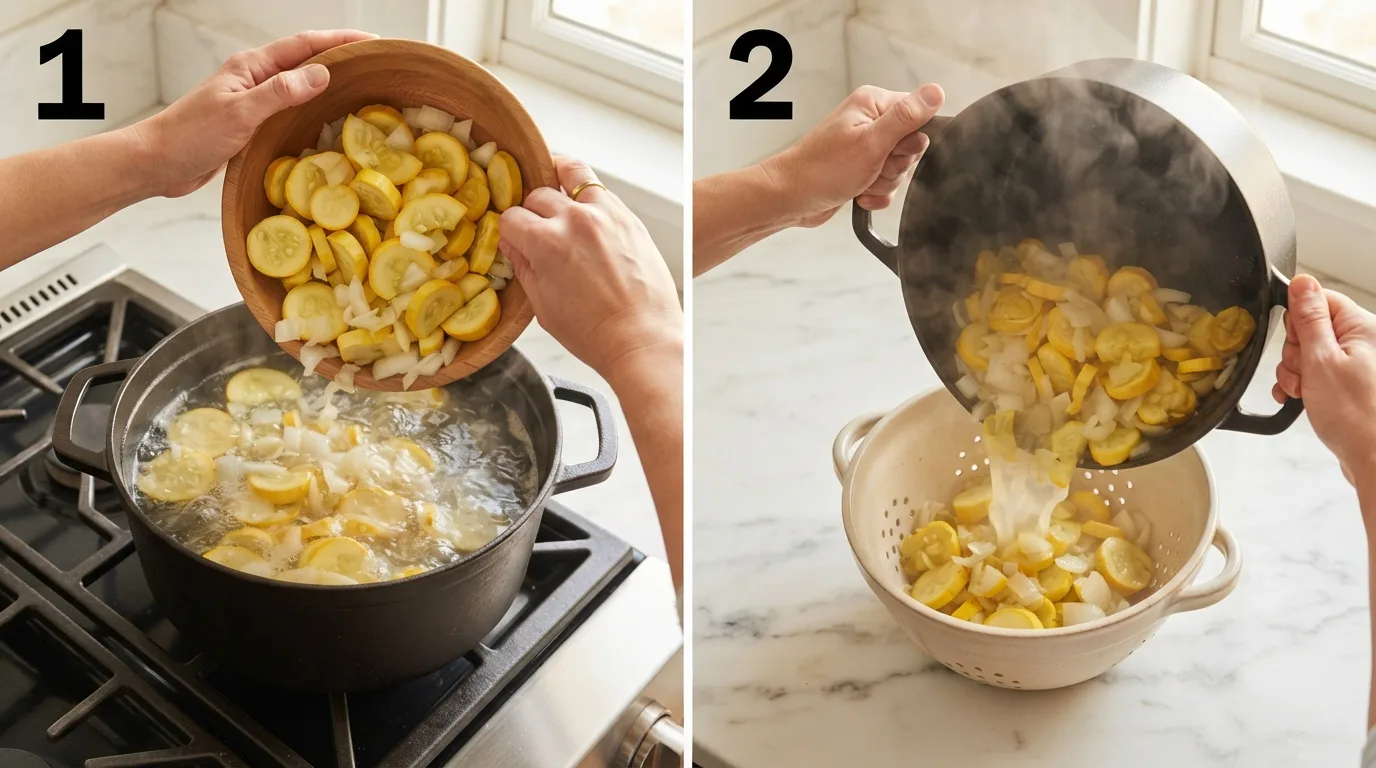
Bring a large pot of lightly salted water to a boil. Add the sliced squash and chopped onion, and cook for 8–10 minutes, until the squash is fork-tender but not falling apart. You’re looking for squash that yields easily to a fork but still holds its slice shape.
Step 2 — Drain thoroughly
Pour the squash and onion into a colander and let them sit for a full 5 minutes, pressing gently with the back of a spoon partway through. This is the step most squash casserole recipes skip — and the reason so many versions turn out watery. Don’t rush this; those few extra minutes are what set the custard properly later.
Step 3 — Build the custard base
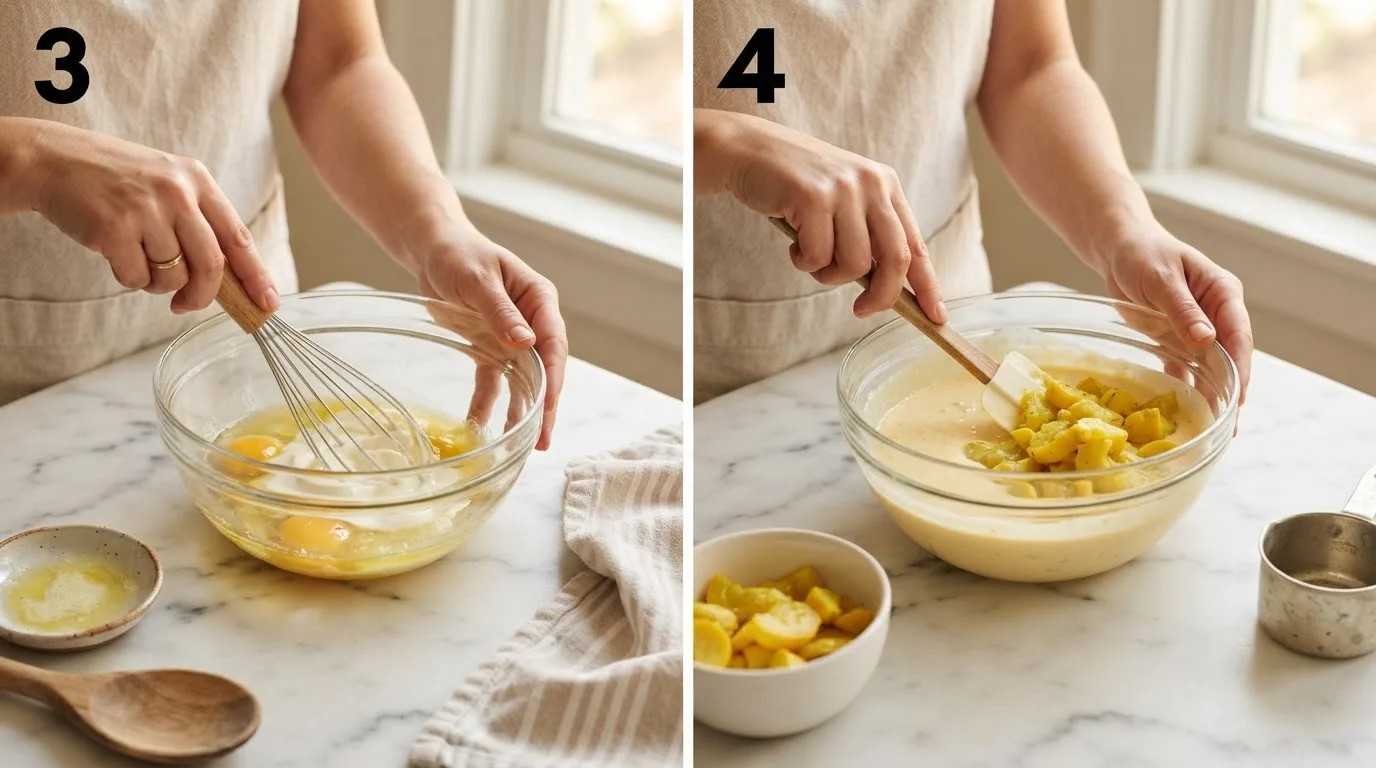
In a large mixing bowl, whisk together the eggs, sour cream, 3 tablespoons of the melted butter, and about half of the shredded cheddar. Season with salt and pepper. Fold in the drained squash and onion until evenly coated — the mixture will look loose at this stage, and that’s normal.
Step 4 — Assemble and add the first layer of cheese
Pour the squash mixture into the greased baking dish and spread it into an even layer. Sprinkle the remaining shredded cheddar evenly over the top — this creates a thin cheese layer under the crumbs that helps everything hold together once sliced.
Step 5 — Make the cracker topping
In a small bowl, crush the Ritz crackers into coarse crumbs — you want pieces about the size of a pea, not fine dust. Melt the remaining 3 tablespoons of butter and toss it with the crumbs until every piece is coated. Scatter the buttered crumbs evenly over the cheese layer.
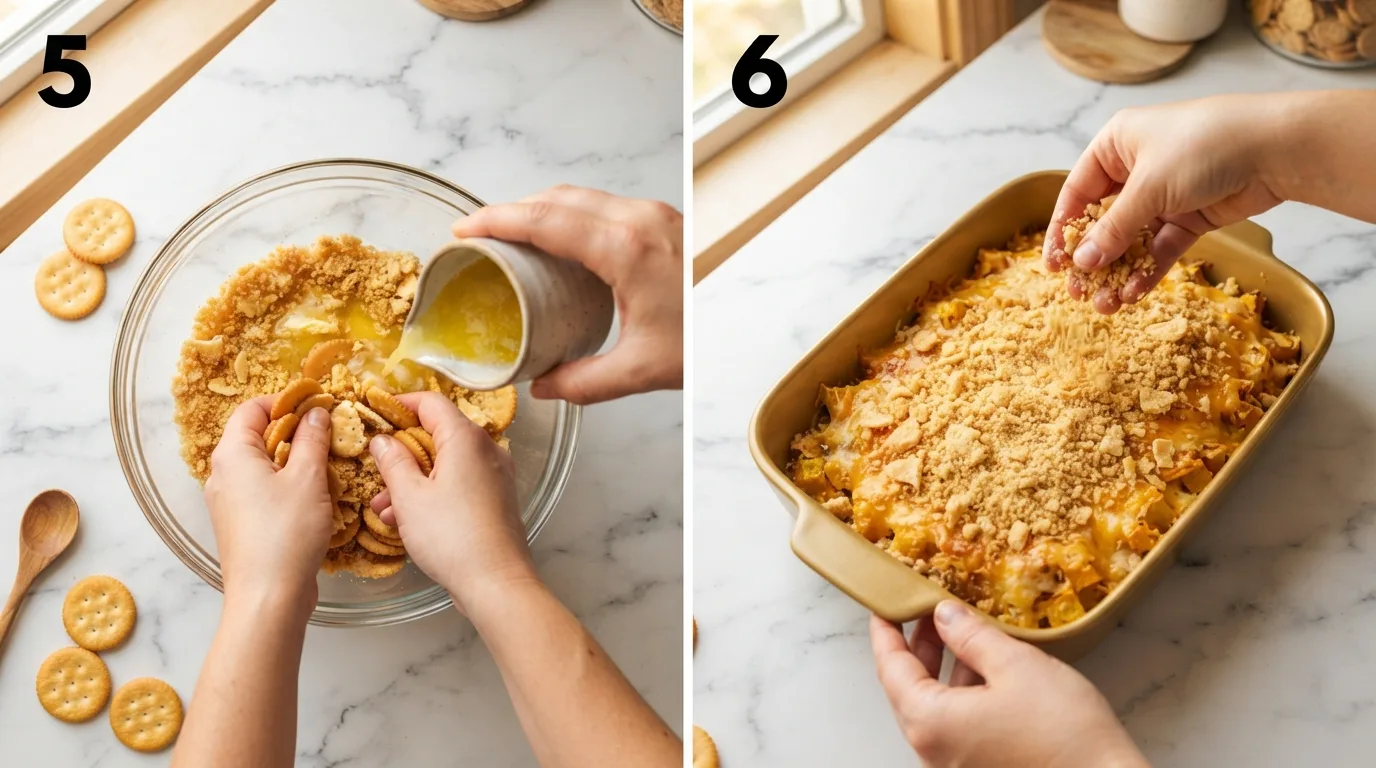
Step 6 — Bake
Bake at 350°F for 30–35 minutes, until the topping is deep golden brown and the custard is set — it should no longer jiggle when you nudge the dish. If the top is browning too fast before the center sets, loosely tent it with foil for the last 10 minutes.
Step 7 — Rest before serving
Let the casserole rest for 10 minutes before serving. This isn’t optional — cutting into it straight from the oven means the custard hasn’t finished setting, and you’ll lose that clean slice in favor of a runny scoop.
Pro Tips for Perfect Alabama Squash Casserole
Tip 1: Salt the squash before boiling, not after. A pinch of salt in the boiling water seasons the squash from the inside, so you’re not relying on surface salt alone to season a fairly dense casserole.
Tip 2: Crush crackers coarse, not fine. Fine cracker dust packs down and can turn pasty once it absorbs butter. Coarse pieces the size of a pea hold their shape and crisp instead of compacting.
Tip 3: Don’t skip the rest time. The 10-minute rest is what separates a clean slice from a runny scoop — the eggs need that time to finish setting once out of the oven’s heat.
Tip 4: Shred your own cheese if you can. Block cheddar, shredded fresh, melts smoother into the custard than pre-shredded bagged cheese, which contains anti-clumping starches that can make the texture slightly grainy.
Variations and Substitutions
Dietary Variations:
- Gluten-free: Swap the Ritz crackers for a gluten-free cracker of similar size, and check your cheese and sour cream labels. The texture stays close to the original, with a slightly less buttery topping flavor.
- Lower-fat version: Use light sour cream and reduce the butter in the topping to 2 tablespoons. The crumbs won’t toast quite as deeply golden, but the casserole still sets and slices cleanly.
Flavor Variations:
- Add a little heat: A pinch of cayenne or a few dashes of hot sauce stirred into the custard base gives this alabama squash casserole a subtle kick without changing the classic profile.
Ingredient Substitutions:
- Zucchini can replace up to half the yellow squash if that’s what you have on hand — the texture is slightly firmer, but the flavor is close.
- Saltine crackers can replace Ritz in a pinch, though the topping will taste saltier and less rich.
If you’re building out a full Southern-style spread, this alabama squash casserole recipe pairs beautifully next to a big pot of Cheesecake Factory Gumbo Recipe — the rich, savory broth balances the sweetness of the squash.
Troubleshooting
Why is my squash casserole watery?
This almost always means the squash wasn’t drained long enough after boiling. Squash holds a surprising amount of water — give it the full 5 minutes in the colander, pressing gently, before it goes anywhere near the eggs.
My topping came out soft instead of crisp — what happened?
Most likely too much butter was used in the crumb topping, or the crumbs were crushed too fine and compacted instead of staying crunchy. Stick to the 3-tablespoon ratio and aim for pea-sized crumb pieces.
The center of my casserole is still jiggly after the bake time — is that normal?
A slight jiggle right out of the oven is fine — it firms up during the 10-minute rest. If it’s still visibly liquid, not just soft, give it another 5–10 minutes in the oven, tenting with foil if the top is already dark enough.
Storage and Make-Ahead
Counter: Not recommended beyond 2 hours due to the egg and dairy content.
Refrigerator: Store covered for up to 4 days. The topping softens slightly but a quick reheat brings back most of the crunch.
Freeze: Freeze the fully baked and cooled casserole (without the cracker topping, if possible) for up to 2 months. Thaw overnight in the fridge before reheating.
Reheating: Reheat covered at 325°F for about 20 minutes, then uncover for the last 5 minutes to re-crisp the top.
Make-Ahead: You can assemble the casserole up to the point of adding the cracker topping up to a day ahead, refrigerated. Add the buttered crumbs just before baking so they go into the oven fresh.
Frequently Asked Questions
Q: What is squash alabama, exactly? A: Squash alabama is a Southern name for a baked squash casserole — yellow squash cooked down, combined with eggs, cheese, and a buttery cracker topping, then baked until set. It’s closely associated with Brenda Gantt’s squash alabama version, which popularized the name.
Q: Is this the same as Brenda Gantt’s squash casserole recipe? A: This recipe follows the same core method as Brenda Gantt squash casserole — boiled and drained squash, a simple egg-and-cheese custard, and a Ritz cracker topping — with the draining step spelled out in more detail so it’s easier to replicate at home.
Q: Can I use zucchini instead of yellow squash? A: Yes, up to half the squash can be zucchini. The texture will be slightly firmer since zucchini holds its shape more than yellow squash, but the flavor stays close to the original.
Q: Why did my squash casserole turn out soupy? A: The squash almost certainly wasn’t drained long enough after boiling. Give it a full 5 minutes in the colander, pressing gently, before mixing it with the eggs and cheese.
Q: Can I make this alabama squash casserole ahead of time? A: Yes — assemble everything except the cracker topping up to a day ahead and refrigerate. Add the buttered crumbs right before baking so the topping goes in fresh and crisps properly.
Q: Can I freeze squash casserole? A: Yes, for up to 2 months. It’s best to freeze it without the cracker topping and add fresh crumbs before reheating, since frozen-then-thawed crumbs lose their crunch.
Q: What can I serve alongside this squash alabama recipe? A: It’s a classic side for fried chicken, baked ham, or a Southern-style dinner spread. It also holds its own next to something rich like Cheesecake Factory Gumbo Recipe.
More Southern Recipes You’ll Love
- Texas Roadhouse Onion Blossom — the crispy copycat appetizer everyone requests at parties
- Cheesecake Factory Gumbo Recipe — a rich, savory gumbo that pairs perfectly with this squash casserole
- Cava Rice Recipe — a simple seasoned rice side that rounds out any Southern-style plate
- Cava Sweet Potato Recipe — another comforting vegetable side with a similar make-ahead friendliness
Squash Alabama Recipe (Brenda Gantt’s Squash Casserole)
Ingredients
For the squash base:
- 2 lb yellow squash, sliced into ¼-inch rounds
- 1 small yellow onion, chopped
- 2 large eggs
- 1/2 cup sour cream
- 1 cup sharp cheddar cheese, shredded (divided)
- 6 tablespoon butter, melted (divided)
- 1/2 teaspoon salt, plus more for boiling water
- 1/4 teaspoon black pepper
For the topping:
- 1 sleeve Ritz crackers (about 35 crackers), crushed to coarse crumbs
Instructions
- Preheat the oven to 350°F and grease a 9×13-inch baking dish.
- Bring a large pot of lightly salted water to a boil. Add the sliced squash and chopped onion; boil for 8–10 minutes, until fork-tender.
- Drain the squash and onion in a colander and let sit for 5 minutes, pressing gently with a spoon partway through to release excess water.
- In a large mixing bowl, whisk together the eggs, sour cream, 3 tablespoons of melted butter, half the shredded cheddar, salt, and pepper.
- Fold the drained squash and onion into the egg mixture until evenly coated.
- Pour the mixture into the prepared baking dish and spread into an even layer. Sprinkle the remaining shredded cheddar evenly over the top.
- Crush the Ritz crackers into coarse crumbs and toss with the remaining 3 tablespoons melted butter. Scatter evenly over the cheese layer.
- Bake for 30–35 minutes, until the topping is deep golden brown and the custard is set (no jiggle in the center).
- Let the casserole rest for 10 minutes before serving.
Notes
- Draining the boiled squash for the full 5 minutes is the single most important step — skipping it is the most common cause of a watery casserole.
- Crush the crackers coarse (pea-sized pieces), not fine, for the crispest topping that holds up over several days of leftovers.
- This casserole can be assembled up to a day ahead without the cracker topping; add the buttered crumbs fresh right before baking.
- Leftovers keep in the refrigerator for up to 4 days and reheat well at 325°F, uncovered for the last 5 minutes to re-crisp the top.
- To freeze, bake and cool the casserole completely, freeze without the topping for up to 2 months, and add fresh crumbs before reheating from thawed.
- Shredding your own block cheddar instead of using pre-shredded bagged cheese gives a smoother melt in the custard.
- A pinch of cayenne or a few dashes of hot sauce in the custard adds subtle heat without changing the classic flavor profile.
- Zucchini can replace up to half the yellow squash if needed, though the texture will be slightly firmer.