Foolproof Sol Agave Butter Cake Recipe

Agave nectar is a strange ingredient to bake with. It’s sweeter than sugar, it’s mostly fructose, and fructose browns a lot faster than sucrose in the oven. The first time I tried an all-agave butter cake, the outside looked nearly burnt at the 35-minute mark while the inside was still raw batter. Not a great start.
I tested this sol agave butter cake recipe three times, changing only the oven temperature and the ratio of agave to sugar each round, before I landed on the version below. The fix wasn’t complicated — it just wasn’t obvious until I’d ruined two cakes finding it.
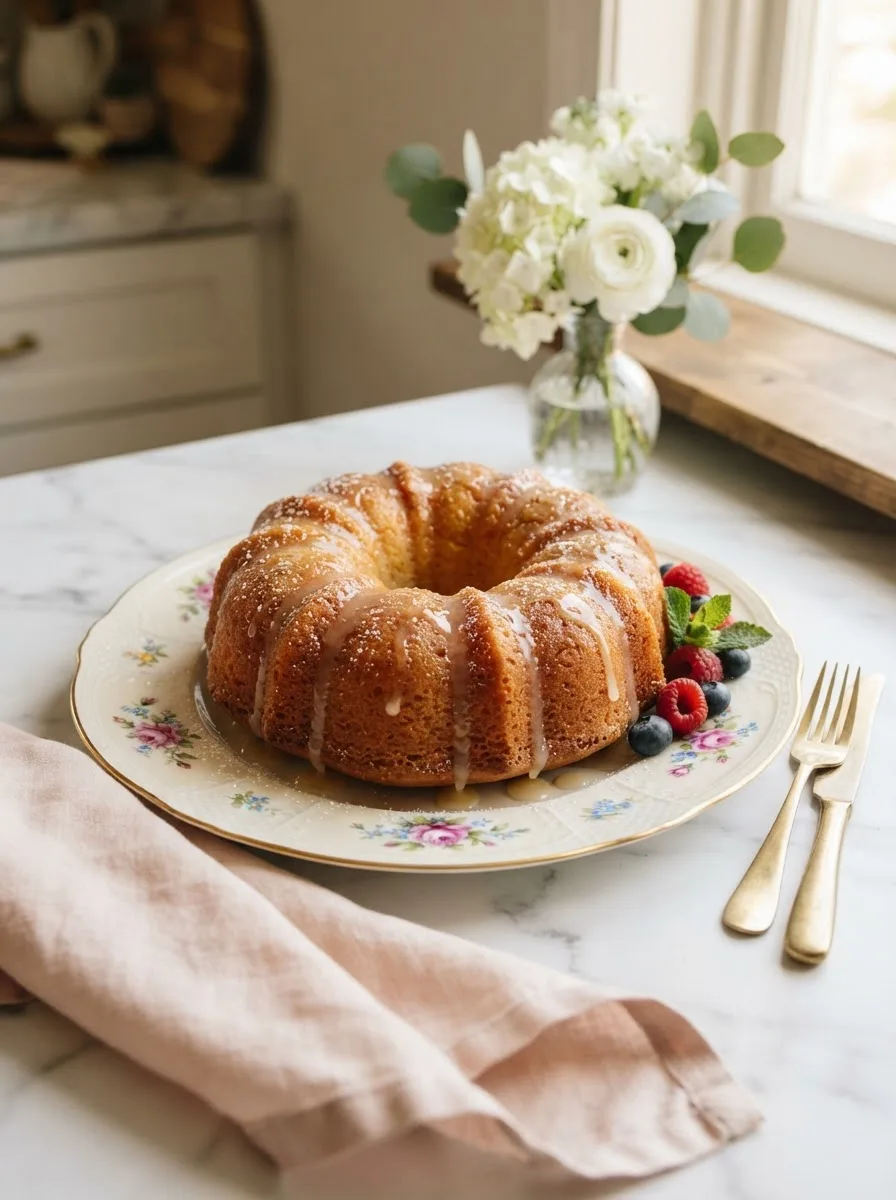
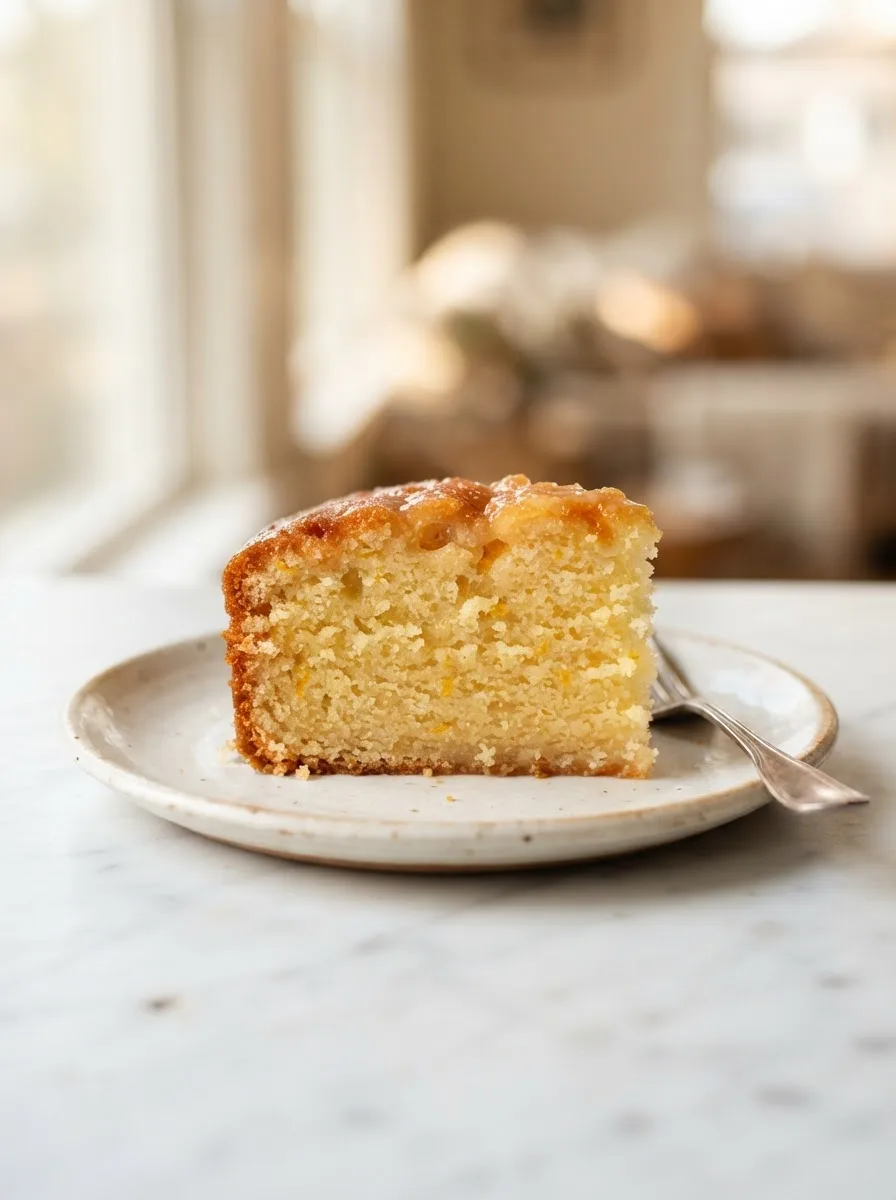
What you get now is a golden, tender butter cake with a nutty brown-butter base, a bright hit of orange zest, and a sticky agave glaze that soaks into the crumb instead of sitting on top. It bakes clean, it slices clean, and it doesn’t scorch.
The most important variable in this recipe is oven temperature — not the flour, not the eggs, the temperature. Agave’s fructose content means it caramelizes at a lower point than granulated sugar, so a standard 350°F butter cake bake will darken the crust well before the center sets. Drop the temperature by 25 degrees and give it a few extra minutes, and the whole problem disappears.
★★★★★ “I’ve made a dozen agave desserts that turned out gummy or burnt on the outside. This is the first one that came out looking like an actual bakery cake — moist, not wet, and the edges weren’t dark at all.” — Priya M., recipe tester (pre-launch)
Why You’ll Love This sol agave butter cake recipe
- No refined-sugar overload: Agave nectar does most of the sweetening, with just enough granulated sugar added back in to keep the crumb from turning gummy.
- Brown butter base: Browning the butter first adds a nutty depth that balances agave’s floral sweetness — a plain butter cake doesn’t get this.
- One-bowl-adjacent: No stand mixer required. A hand mixer or even a sturdy whisk gets you there.
- Bakes evenly, every time: The lowered oven temperature I tested into this recipe means no more dark, bitter edges before the center is done.
Key Ingredients
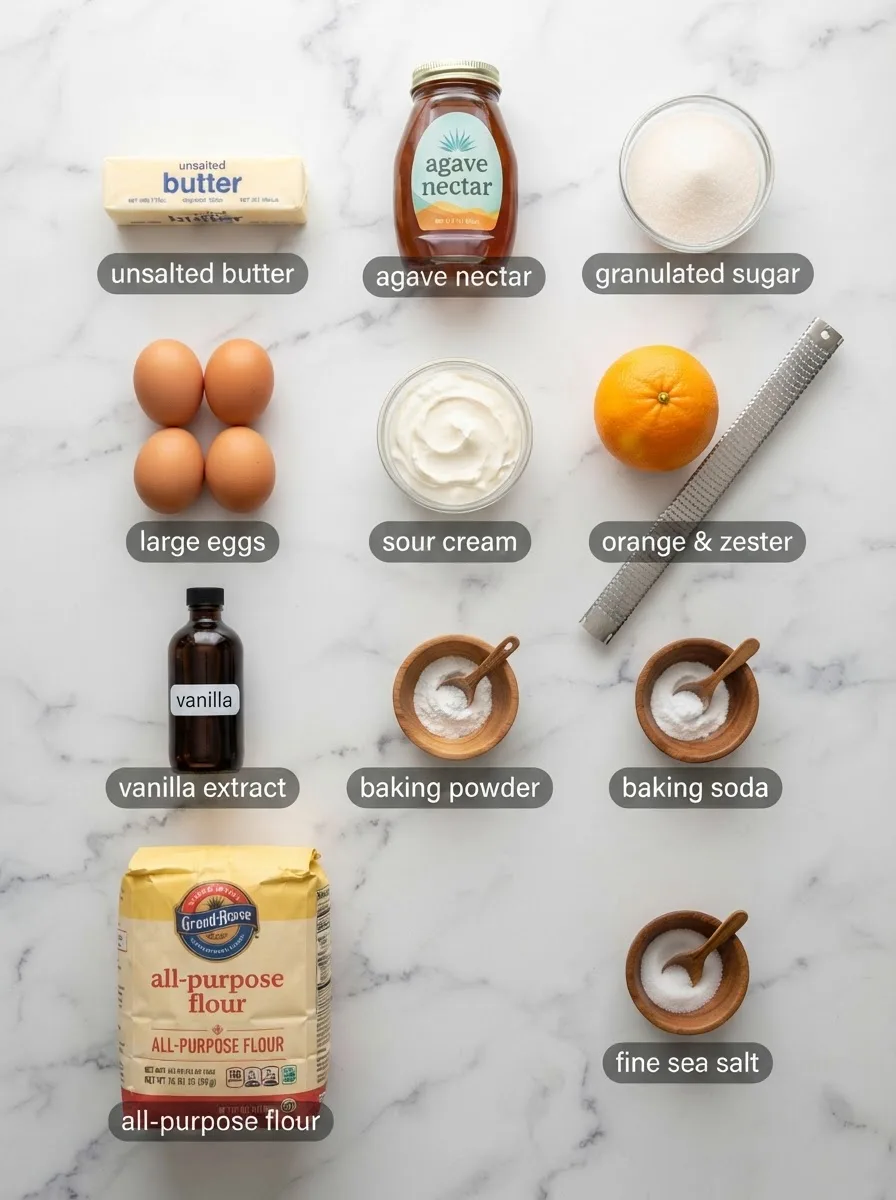
Unsalted butter, browned (1 cup / 226g). Browning the butter before you start does two things: it cooks off some of the water content (agave already adds moisture, so you don’t need more), and the toasted milk solids add a nutty flavor that keeps the cake from tasting one-note sweet. Let it cool to room temperature before mixing — hot browned butter will scramble your eggs.
Agave nectar (¾ cup / 180ml). The star, and the reason this cake needed three rounds of testing. Agave is sweeter than sugar by volume and browns faster because of its fructose content. I use light or amber agave here — dark agave works but pushes the flavor toward molasses.
Granulated sugar (¼ cup / 50g). A small amount added back in for structure. An all-agave version of this cake turned out gummy and wet in the center every time I tested it. This quarter-cup fixes that without diluting the agave flavor.
Full-fat sour cream (1 cup / 240g). Adds moisture and a slight tang that keeps the sweetness in check. Plain full-fat Greek yogurt works as a 1:1 swap if that’s what you have.
Orange zest (1 tablespoon, about 1 large orange). This is the “sol” in sol agave — a bright citrus note that cuts through the richness of the brown butter and agave. Don’t skip it; without it the cake tastes flat.
All-purpose flour (2½ cups / 300g), spooned and leveled. Weigh this if you can. A packed cup of flour can add up to 25% more flour than intended, and that’s enough to turn this cake dry.
Ingredient Note: Room-temperature eggs and sour cream matter more than usual here. Cold dairy meeting warm browned butter will seize into little butter clumps instead of blending smooth — pull both out at least 30 minutes before you start.
Equipment You’ll Need
- 10–12 cup Bundt pan — the ridges help the agave glaze cling and pool attractively. A standard 9-inch round cake pan works too; reduce bake time by about 8 minutes.
- Hand mixer or stand mixer — either works fine for this batter. A whisk and some arm strength will also get you there, just take a bit longer.
- Kitchen scale — for the flour measurement especially. Volume measurements vary too much for a cake this sensitive to moisture.
- Small saucepan — for browning the butter and for the glaze.
- Wire cooling rack — the cake needs to cool most of the way before glazing, or the glaze slides right off.
Controlling the Bake Temperature (A Controlled Test)
I tested this cake three times, changing one variable each round: oven temperature and the agave-to-sugar ratio.
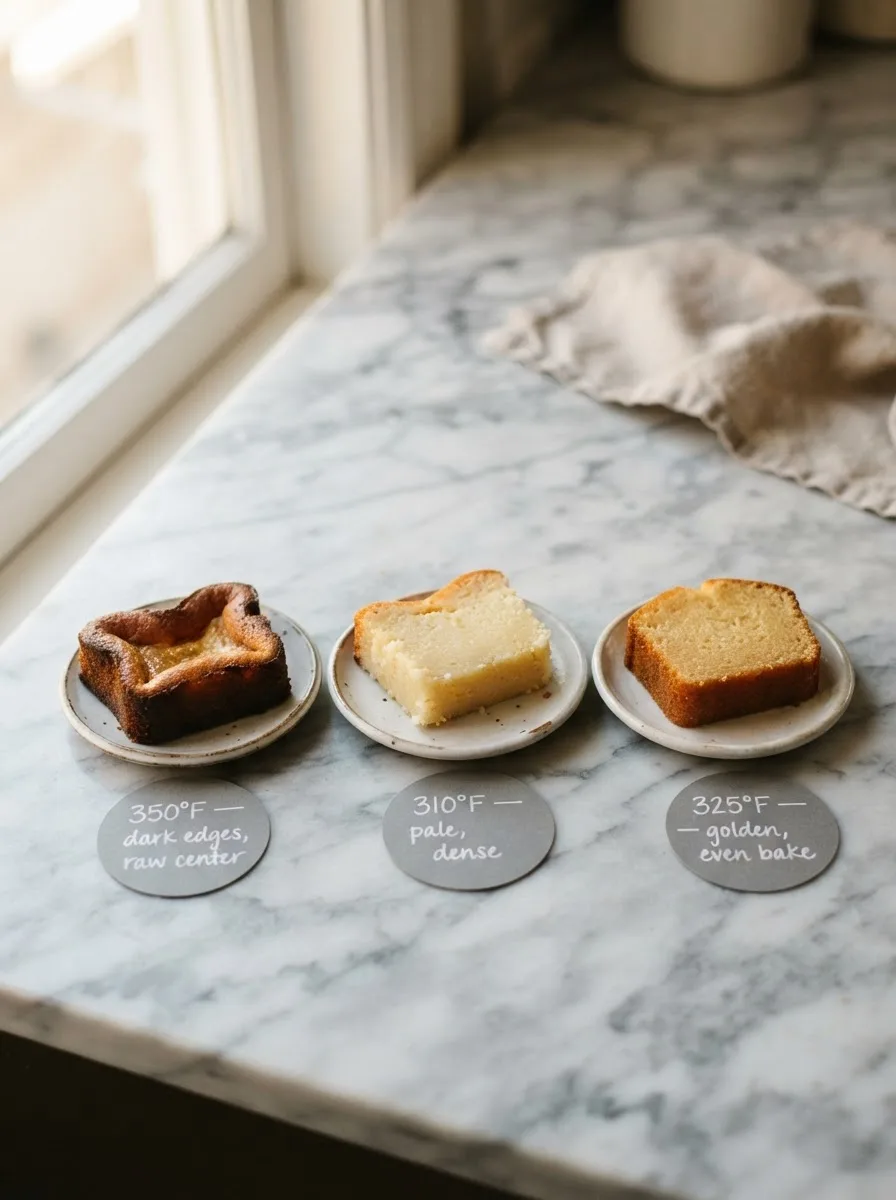
350°F (standard butter cake temp): The crust went deep amber by minute 30 and started tasting bitter at the edges by minute 40 — but the center was still wet batter. This is what happens when you treat agave like sugar in the oven.
310°F (my first overcorrection): No burning, but the extra 20 minutes in the oven dried out the edges while the center stayed dense and slightly gummy. Too conservative.
325°F (the winner): Even golden color from edge to center, no bitter crust, and the interior set into a tender, moist crumb by minute 42. This is the temperature in the recipe card below — don’t bump it up even if your oven runs a little cool. Give it the extra time instead.
How to Make sol agave butter cake recipe
Before you start: Pull the eggs and sour cream out of the fridge at least 30 minutes ahead, and preheat your oven to 325°F. Grease your Bundt pan thoroughly, including every ridge — agave batter is slightly stickier than a standard cake batter and will grab onto any spot you missed.
Step 1 — Brown the butter
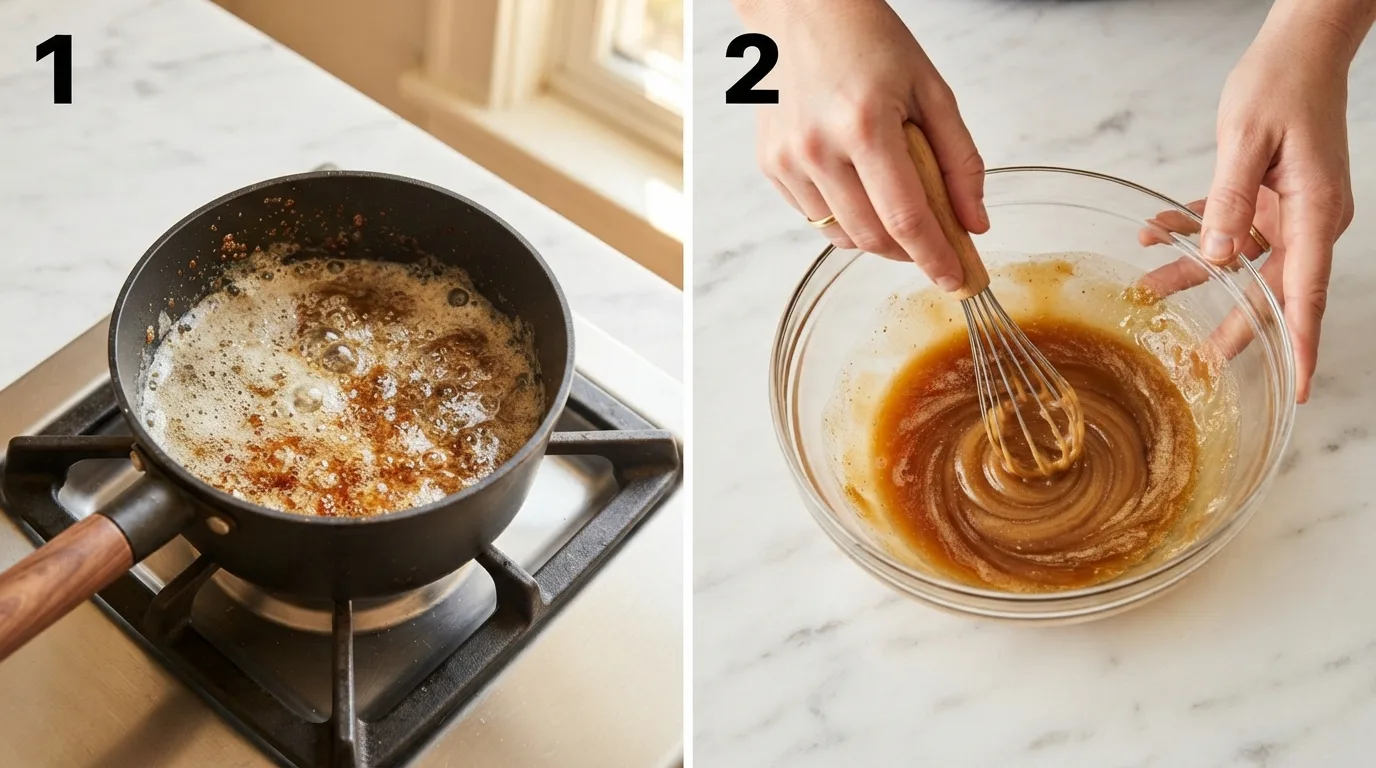
Melt the butter in a small saucepan over medium heat, swirling occasionally. It will foam, then quiet down, then the milk solids at the bottom will turn golden-brown and smell nutty — about 5 to 7 minutes total. Pour it into a heatproof bowl immediately to stop the cooking, and let it cool to room temperature, about 20 minutes.
Step 2 — Whisk in the agave, sugar, and eggs
Whisk the agave nectar and granulated sugar into the cooled brown butter until combined. Add the eggs one at a time, whisking well after each addition — the mixture will look glossy and slightly thickened when it’s ready.
Step 3 — Add the sour cream, zest, and vanilla
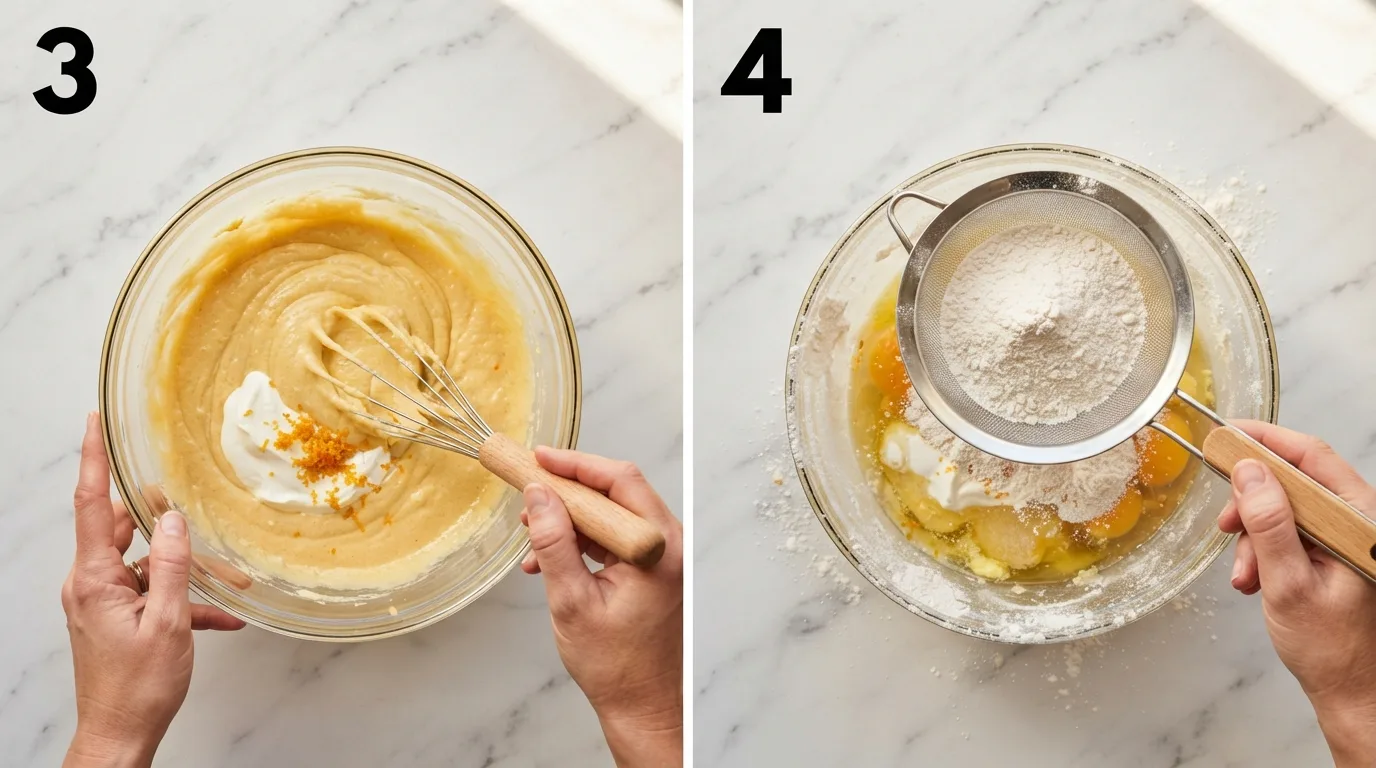
Whisk in the sour cream, orange zest, and vanilla extract until the batter is smooth and pale gold. It will look thinner than a typical cake batter at this stage — that’s normal, the flour tightens it up in the next step.
Step 4 — Fold in the dry ingredients
Whisk together the flour, baking powder, baking soda, and salt in a separate bowl, then fold this into the wet batter in two additions, mixing just until the flour disappears. Stop as soon as you no longer see streaks of flour — overmixing here is what makes butter cakes turn tough instead of tender.
Step 5 — Bake
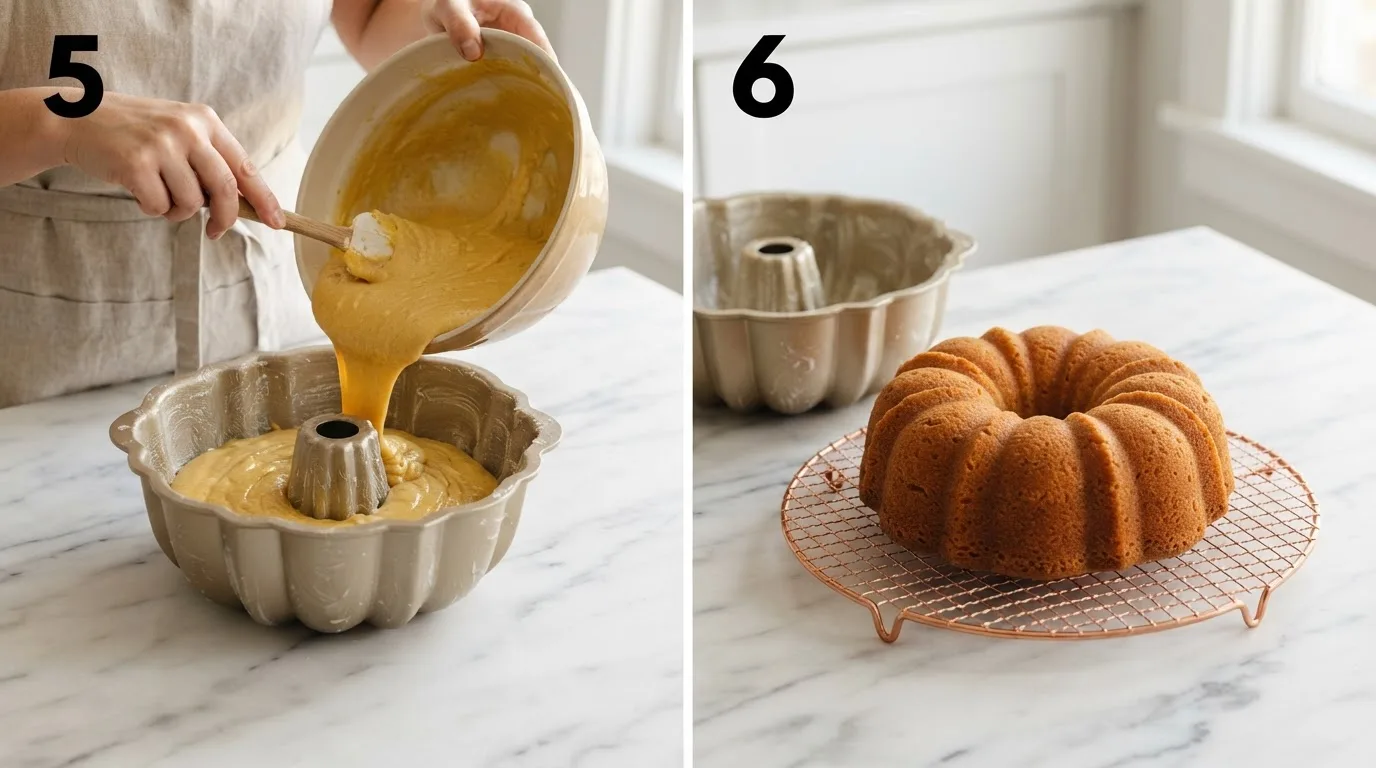
Pour the batter into your prepared Bundt pan and smooth the top. Bake at 325°F for 40 to 45 minutes, until a toothpick inserted near the center comes out with a few moist crumbs (not wet batter) and the top springs back gently when pressed. The color should be an even, warm gold all the way around — if one side looks noticeably darker, rotate the pan halfway through next time.
Step 6 — Cool, then glaze
Let the cake cool in the pan for 15 minutes, then invert it onto a wire rack to cool almost completely — about 45 minutes more. While it cools, whisk together the agave nectar, butter, and orange juice in a small saucepan over low heat until glossy and slightly thickened, about 2 minutes. Pour the warm glaze over the cake once it’s cool enough to touch but still slightly warm to the hand — this is the sweet spot where the glaze soaks in instead of sliding straight off. Finish with a pinch of flaky sea salt.
Pro Tips for Perfect Sol Agave Butter Cake
Tip 1: Don’t skip the browned butter cooling step. Adding hot browned butter directly to eggs will scramble them into little cooked bits you can’t whisk out. Twenty minutes of patience is the whole fix.
Tip 2: Weigh your flour. This is a moisture-sensitive batter because of the agave. A few extra tablespoons of over-packed flour is enough to tip the texture from tender to dry.
Tip 3: Glaze at the right temperature. Too hot, and the glaze slides straight off the cake onto the rack. Too cold, and it sits on top like frosting instead of soaking in. You want the cake barely warm — comfortable to touch with a bare hand.
Tip 4: Grease every ridge of the Bundt pan. Agave batter is stickier than a plain sugar batter. A quick brush of melted butter followed by a dusting of flour in every groove is worth the extra 60 seconds.
Variations and Substitutions
Dietary Variations:
- Gluten-free: Swap the all-purpose flour for a 1:1 gluten-free baking blend that includes xanthan gum. The crumb turns out slightly denser and a touch more tender — still good, just a little different in bite.
- Dairy-free: Use a plain, full-fat non-dairy yogurt in place of the sour cream, and a vegan butter stick in place of the butter (brown it the same way — most vegan butters brown fine). Texture stays close to the original; flavor loses a bit of the tang.
Flavor Variations:
- Lime instead of orange: Swap the orange zest for lime zest and use lime juice in the glaze for a sharper, less floral citrus note.
- Toasted coconut topping: Press ½ cup toasted coconut flakes onto the glaze while it’s still tacky for texture and a tropical edge.
Ingredient Substitutions:
- Honey works 1:1 in place of agave, but it browns even faster — drop the oven temperature to 315°F if you make this swap.
- Plain full-fat Greek yogurt is a clean 1:1 swap for the sour cream.
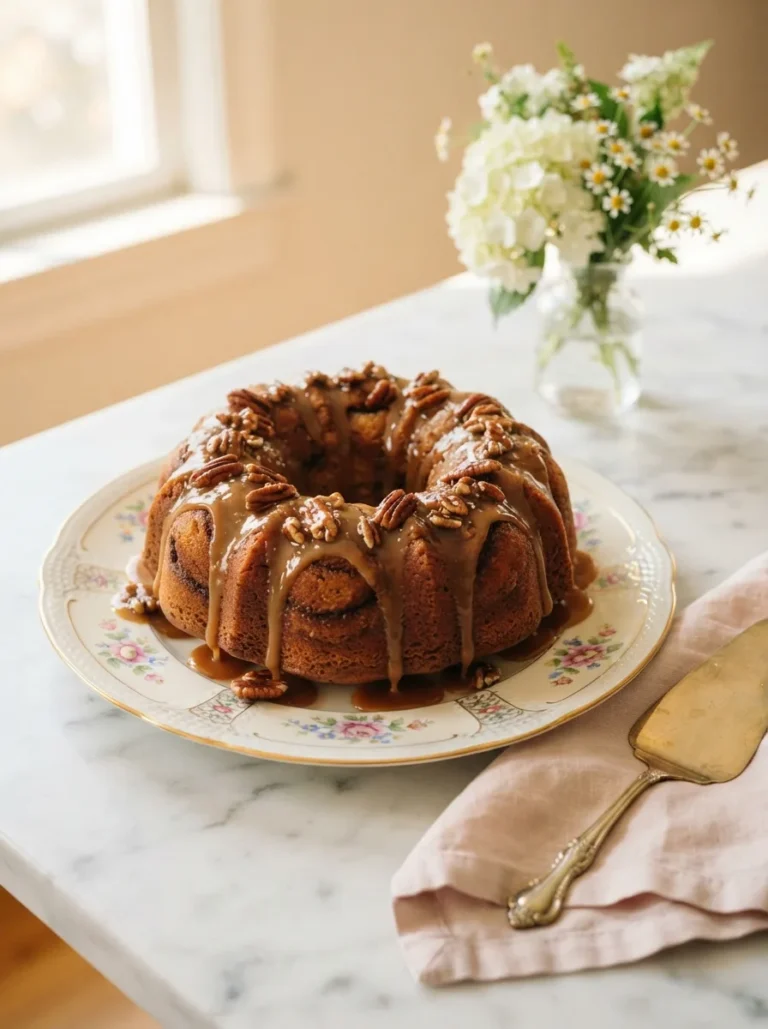
If you like the golden, glaze-forward style of this cake, my pecan caramel cinnamon roll pound cake uses a similar warm-glaze technique but leans into caramel instead of citrus.
Troubleshooting
Why did my cake sink in the middle?
This usually means it came out of the oven before the center fully set — agave batters can look done on top while the middle is still soft. Check with a toothpick near the center, not just the edge, and give it another 5 minutes if you see any wet batter clinging to it.
Why is the crust darker than I expected?
If your oven runs hot, even 325°F can brown the exterior faster than the recipe assumes. Try dropping to 315°F next time, and rotate the pan halfway through baking if one side always darkens faster.
Why did the glaze slide off instead of soaking in?
The cake was likely still too warm. Agave glaze is thin enough that it needs the cake to be just barely warm — comfortable to touch — before pouring. If it’s hot to the touch, wait another 10 minutes.
Storage and Make-Ahead
Counter: Store covered at room temperature for up to 3 days. The glaze keeps the crumb from drying out faster than an unglazed cake would.
Refrigerator: Up to 1 week in an airtight container. Bring to room temperature before serving — cold butter cake tastes muted.
Freeze: Freeze the unglazed cake, tightly wrapped, for up to 2 months. Thaw overnight at room temperature, then make the glaze fresh and pour it on before serving.
Reheating: A 15-second zap in the microwave brings back the just-baked softness if you’re eating it cold from the fridge.
Make-Ahead: Bake the cake up to a day ahead and store it unglazed, wrapped tightly. Make and pour the glaze the day you plan to serve it for the best sheen and soak-in texture.
Frequently Asked Questions
Q: Can I substitute honey for agave nectar in this recipe? A: Yes, 1:1. Honey browns even faster than agave, though, so drop your oven temperature to 315°F and watch the crust color a bit more closely.
Q: Why is my agave cake gummy in the center? A: Usually too much agave without enough structural sugar or flour to balance it. This recipe’s ¾ cup agave to ¼ cup sugar ratio was tested specifically to avoid that gummy texture — don’t increase the agave without also adjusting the flour.
Q: Can I make this in a loaf pan instead of a Bundt? A: Yes. Split the batter between two 9×5-inch loaf pans and check for doneness around 35 minutes — loaf pans bake faster than a Bundt because the batter sits shallower.
Q: Is agave nectar actually healthier than sugar in baking? A: It has a lower glycemic index than table sugar, but it’s still a concentrated sweetener with similar calories per tablespoon. The benefit here is flavor and moisture, not a health overhaul.
Q: How do I store sol agave butter cake? A: Covered at room temperature for up to 3 days, or in the fridge for up to a week. See the Storage section above for full details.
Q: Can I freeze this cake? A: Yes — freeze it unglazed for up to 2 months, thaw overnight, then glaze fresh before serving.
Q: Can I make this gluten-free? A: Yes, with a 1:1 gluten-free baking blend that includes xanthan gum. The crumb is slightly denser but still holds together well.
More Butter Cake Recipes You’ll Love
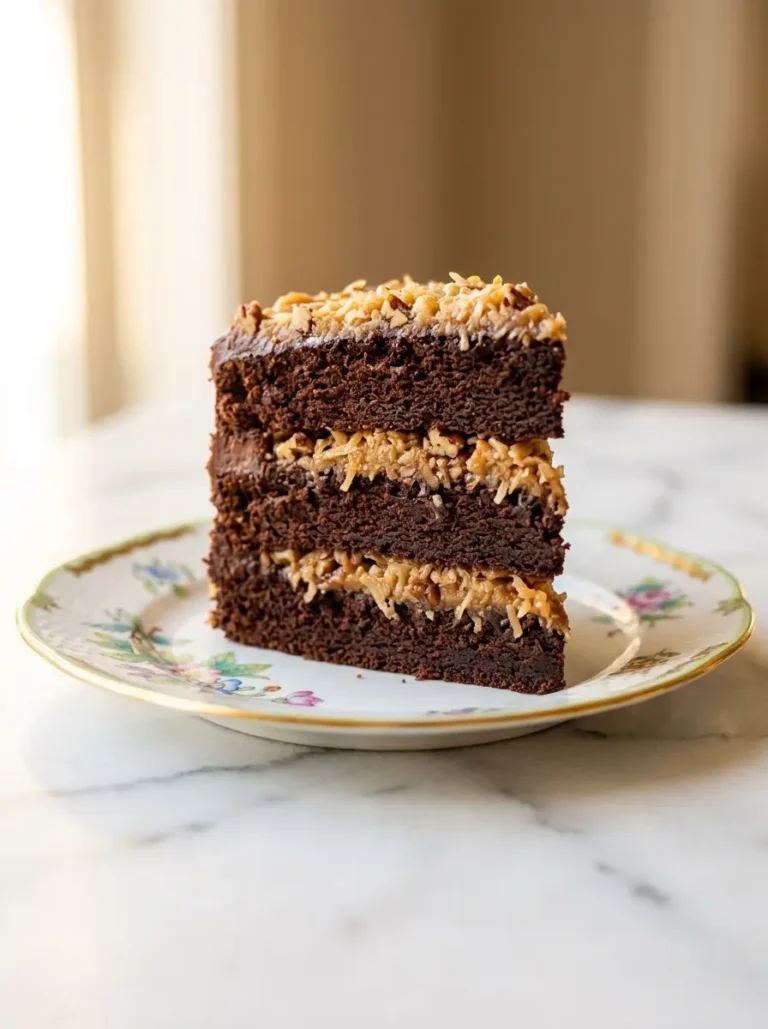
- Gluten Free German Chocolate Cake — a rich chocolate layer cake with coconut-pecan filling, made fully gluten-free.
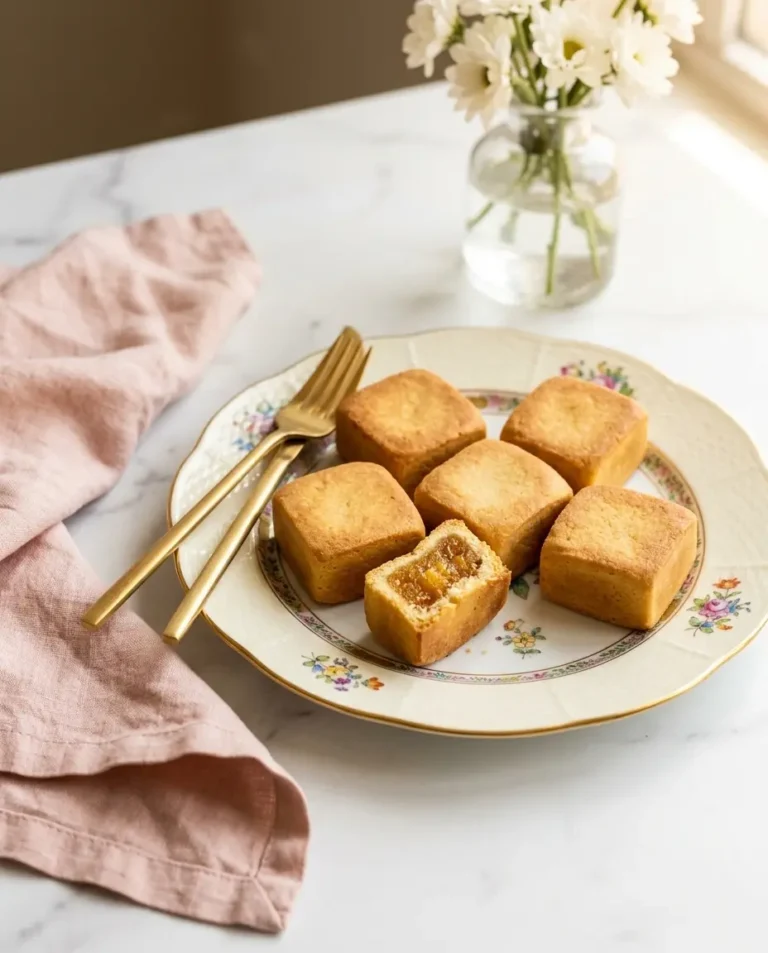
- Chinese Pineapple Cake — a buttery shortcrust pastry filled with sweet-tart pineapple filling.
- Pecan Caramel Cinnamon Roll Pound Cake — a dense, caramel-swirled pound cake with a cinnamon roll twist.
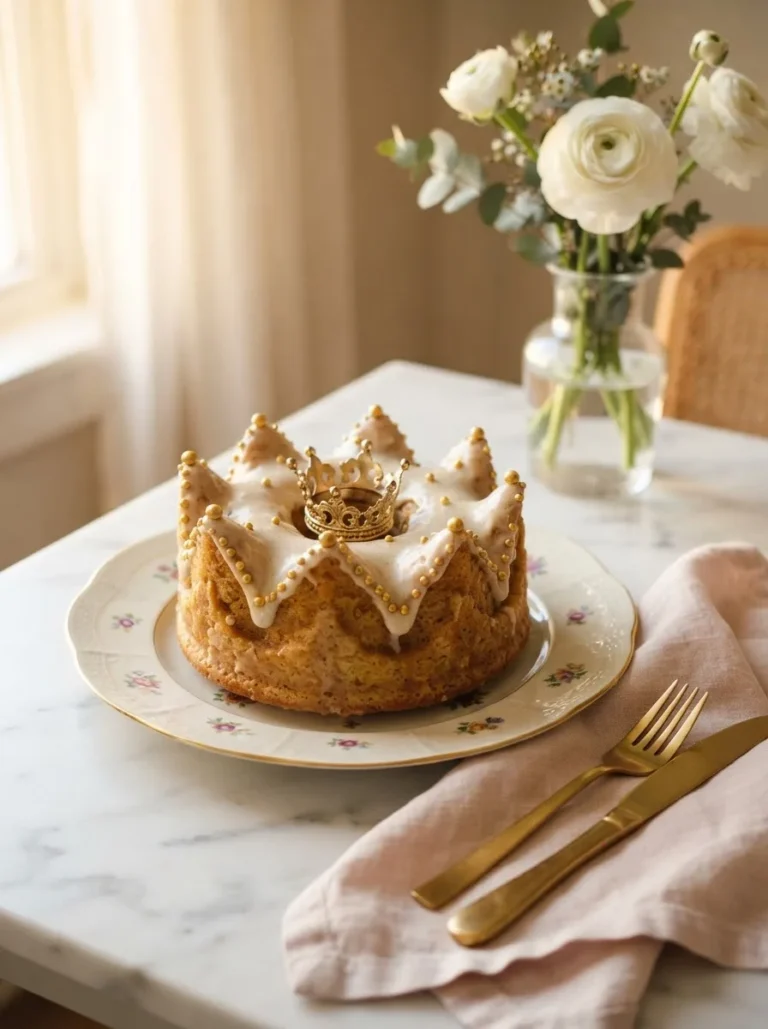
- Crown Cake — a showstopping layered centerpiece cake built for special occasions.
Foolproof Sol Agave Butter Cake Recipe
Ingredients
For the Cake:
- 1 cup unsalted butter, browned and cooled
- 3/4 cup (180ml) agave nectar (light or amber)
- 1/4 cup granulated sugar
- 4 large eggs, room temperature
- 1 cup full-fat sour cream, room temperature
- 1 tablespoon orange zest (about 1 large orange)
- 2 teaspoon vanilla extract
- 21/2 cup all-purpose flour, spooned and leveled
- 11/2 teaspoon baking powder
- 1/2 teaspoon baking soda
- 3/4 teaspoon fine sea salt
For the Agave Glaze:
- 1/2 cup (120ml) agave nectar
- 2 tablespoon unsalted butter
- 1 tablespoon fresh orange juice
- Pinch of flaky sea salt, for finishing
Instructions
- Preheat oven to 325°F. Grease a 10–12 cup Bundt pan thoroughly, including every ridge.
- Melt the butter in a small saucepan over medium heat, swirling occasionally, until the milk solids turn golden-brown and smell nutty, about 5–7 minutes. Pour into a heatproof bowl and cool to room temperature, about 20 minutes.
- Whisk the agave nectar and sugar into the cooled browned butter. Add the eggs one at a time, whisking well after each addition, until glossy.
- Whisk in the sour cream, orange zest, and vanilla extract until smooth.
- In a separate bowl, whisk together the flour, baking powder, baking soda, and salt. Fold into the wet batter in two additions, mixing just until no flour streaks remain.
- Pour batter into the prepared Bundt pan and smooth the top. Bake for 40–45 minutes, until a toothpick inserted near the center comes out with a few moist crumbs and the top springs back when pressed gently.
- Cool in the pan for 15 minutes, then invert onto a wire rack to cool almost completely, about 45 minutes.
- While the cake cools, whisk the agave nectar, butter, and orange juice in a small saucepan over low heat until glossy and slightly thickened, about 2 minutes.
- Once the cake is barely warm to the touch, pour the glaze evenly over the top, letting it drip down the sides. Finish with a pinch of flaky sea salt. Slice and serve.
Notes
- Weigh the flour if you have a kitchen scale — a packed measuring cup can add up to 25% extra flour and dry out the crumb.
- Room-temperature eggs and sour cream blend smoothly into the browned butter; cold dairy will cause the butter to seize into small clumps.
- Pour the glaze while the cake is barely warm, not hot — hot cake makes the glaze slide off instead of soaking in.
- Freeze the cake unglazed, tightly wrapped, for up to 2 months. Thaw overnight and glaze fresh before serving.
- Honey substitutes 1:1 for agave, but browns faster — drop the oven temperature to 315°F if you make this swap.
- Dark amber agave gives a more molasses-forward flavor than light agave; either works, but the flavor profile shifts noticeably.
- Store glazed cake covered at room temperature for up to 3 days to keep the glaze from drying out.
- If doubling the recipe, bake in two separate Bundt pans rather than one larger pan — the center won't set properly in an oversized pan at this temperature.## More Recipes You'll Love