High Protein Pureed Food Recipes

My first batch came out thin, gray, and watery—the kind of food that makes a recovery day feel longer. When my father-in-law came home after jaw surgery, his discharge papers said “pureed diet, soft foods only,” but offered little practical help. He needed protein for healing and a real meal, not another sad spoonful.
I tested this High Protein Pureed Food Recipes three times, changing only the broth amount so the mixture would blend smoothly without turning loose. The final version uses chicken, sweet potato, cottage cheese, and optional protein powder, giving one small bowl more staying power than the typical pouch of pureed food. It also works well for a soft-food phase when your care team has approved these ingredients.

Here’s the scary moment to expect: after blending, you may still see tiny chicken threads, even when the puree looks glossy. Don’t panic—the fine-mesh strainer catches them and gives this food its smooth, spoon-coating texture. The trade-off is a few extra minutes and some solids left in the strainer, but that small effort makes the finished meal much more pleasant. The most important variable is broth amount: start low, then thin gradually. I’m a self-taught home cook, not a dietitian or speech therapist, so follow your care team’s texture instructions for every day of recovery.
★★★★★ “I made this for my mom after her surgery and she actually finished the whole bowl. First pureed meal she didn’t push away.” — Renata, recipe tester (pre-launch)
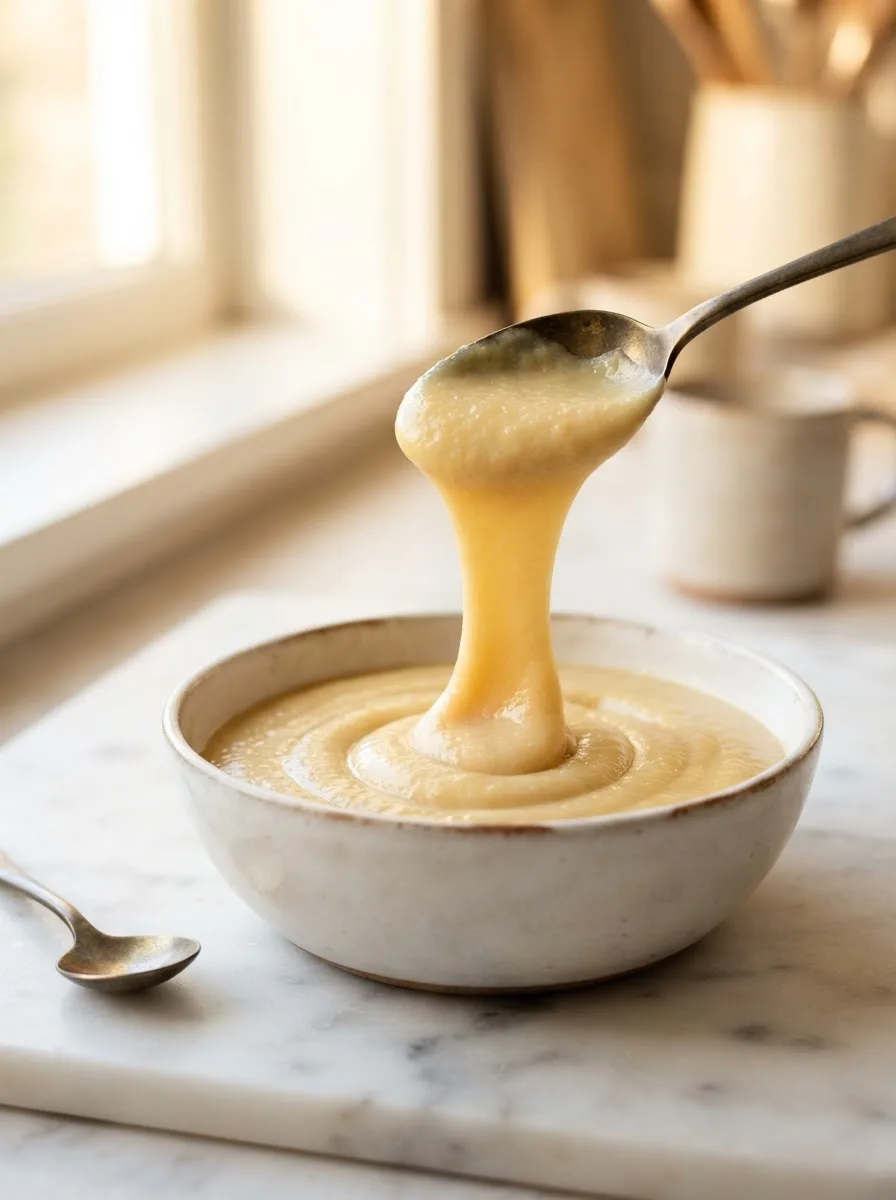
Why You’ll Love This High Protein Pureed Food Recipe
- Protein in a small meal: Chicken, cottage cheese, and optional powder add protein without requiring a large serving.
- Smooth texture: Warm blending followed by straining removes tough chicken fibers and small lumps.
- Broth-adjusted consistency: Add the liquid gradually to make the puree thicker or thinner for the texture your care team has approved.
- Useful for batch cooking: Individual portions can be chilled or frozen, giving you prepared food for busy recovery days.
Key Ingredients
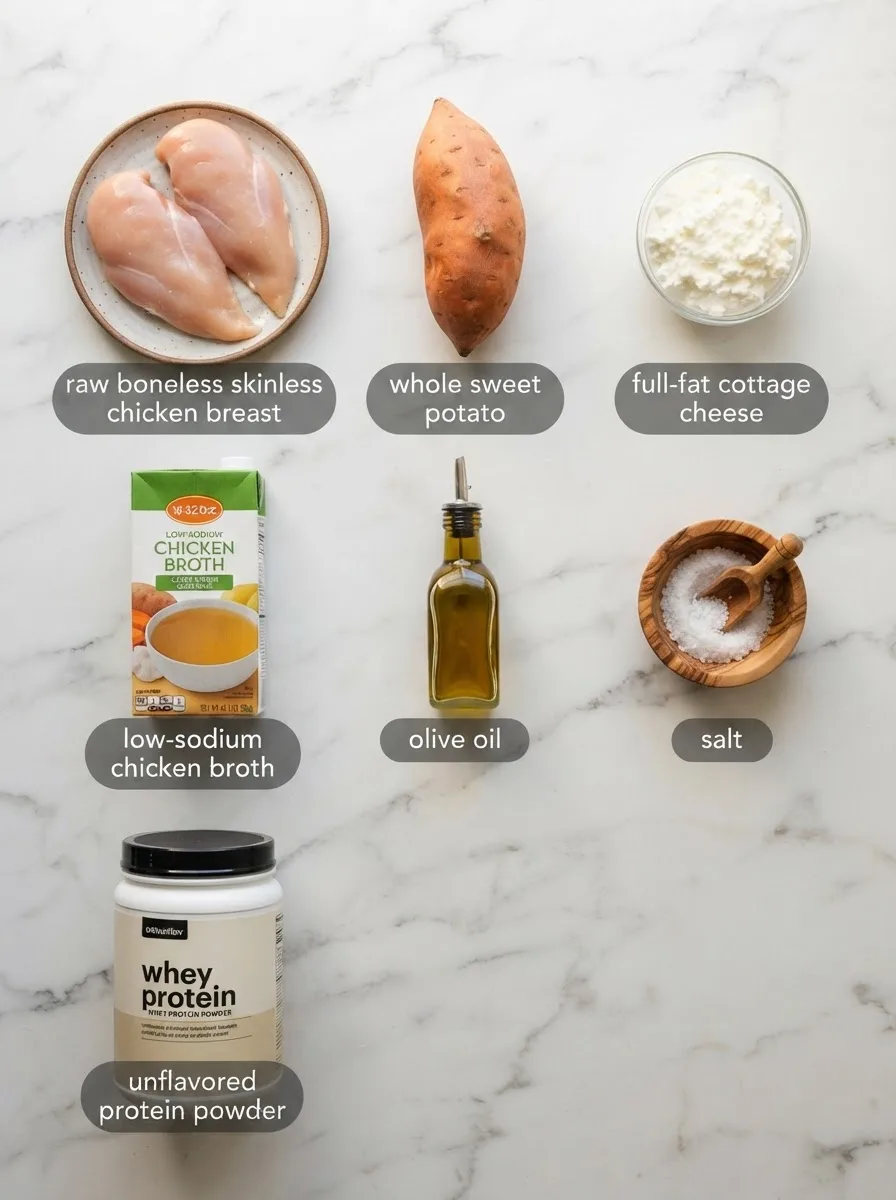
Chicken breast (1 lb / 450g). Poaching keeps the muscle fibers moist and avoids a chewy seared crust that a food processor cannot fully break down. Boneless skinless thighs also work and blend softer because they contain more fat.
Sweet potato (1 medium, about 300g). Its starch gives the puree body, while its gentle sweetness balances the chicken. A russet potato works 1:1 but can make the mixture slightly gluey.
Full-fat cottage cheese (½ cup). Small curds blend into the warm mixture, adding dairy solids, protein, and a creamy finish. Plain full-fat Greek yogurt is a tangier substitute, though its nutrition varies by brand.
Low-sodium chicken broth (about 1 cup, more as needed). Broth loosens the starches and helps the blender circulate the solids. Begin with less, then add it gradually; a watery puree is difficult to correct.
Olive oil (2 tablespoons). The fat carries savory flavor and gives the finished food a rounder mouthfeel while adding calories to a small portion.
Unflavored protein powder (1 scoop, optional). Unflavored whey can raise the protein total; collagen peptides add protein but are not nutritionally identical to whey. Stir either into the strained puree, and avoid vanilla or chocolate powders in this savory recipe.
Ingredient Note: Weigh the chicken and sweet potato if you have a kitchen scale. Volume measurements for cubed meat and vegetables vary a lot, and precise weights make the nutrition and consistency easier to repeat from batch to batch.
Equipment You’ll Need
- High-powered blender — A standard blender or food processor can work, but a strong blender makes smoother food faster. An immersion blender needs extra blending and careful straining.
- Fine mesh strainer — It catches chicken fibers that a blender leaves behind.
- Rubber spatula — Use it to press the mixture through without wasting food.
- Kitchen scale — Optional, but useful for repeatable portions during a soft-food phase.
- Silicone ice cube tray or freezer-safe containers — These make individual portions easy to store.
Controlling the Consistency (A Controlled Test)
Broth amount controls the consistency. Here’s the scary moment: the blender may sound strained when the mixture is thick. Stop and add broth by the tablespoon; forcing it can leave uneven food, while excess liquid creates separation.
I tested this recipe three times, changing only the broth: ¾ cup, 1 cup, and 1½ cups. The chicken, sweet potato, cottage cheese, and protein stayed the same.
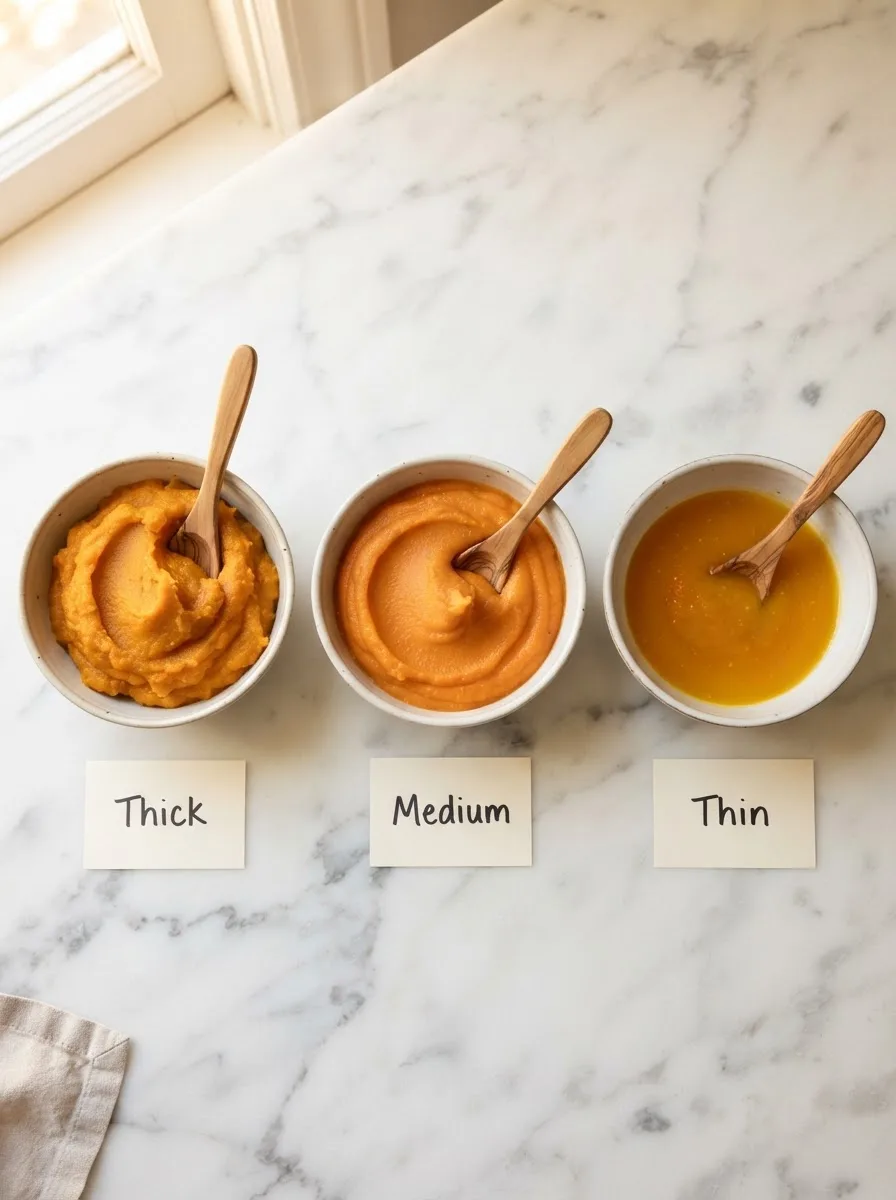
¾ cup broth (Thick): Held its shape. 1 cup broth (Medium): Stayed smooth and cohesive. 1½ cups broth (Thin): Became soupier and separated slightly after several hours.
Start with 1 cup and add more slowly if needed. Low liquid prevents the blades from circulating solids; too much water leaves fewer solids to hold the puree together, especially during surgery recovery.
How to Make High Protein Pureed Food
Before you start: Cut the chicken into roughly 1-inch pieces so it poaches evenly. Peel and cube the sweet potato into similar-sized pieces so both ingredients finish on schedule.
Step 1 — Poach the chicken
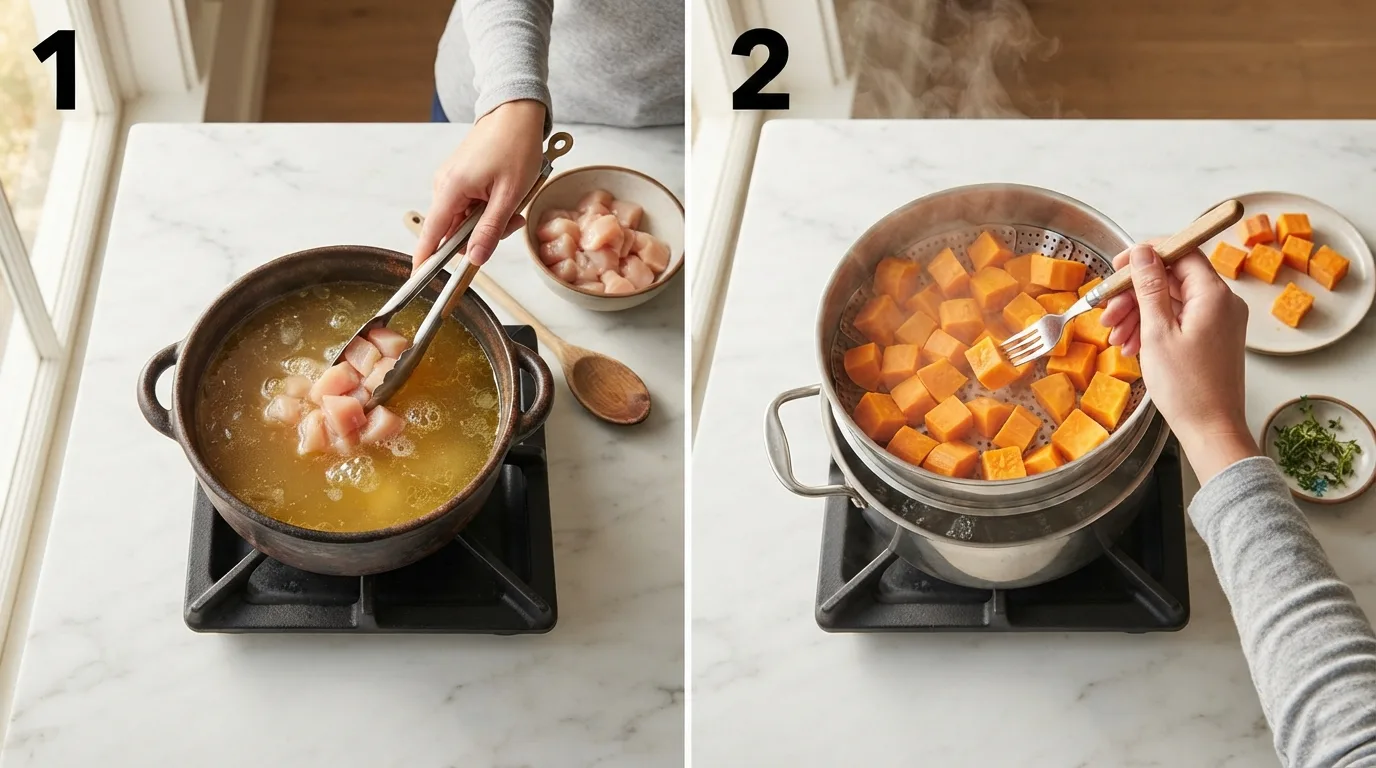
Add the chicken to a saucepan and cover it with the chicken broth. Bring the liquid to a gentle simmer over medium heat, then cook for 12–15 minutes. Check the thickest piece with an instant-read thermometer; it must reach 165°F. Poaching keeps the meat moist and soft, while searing creates a firm crust that can leave tough flecks in the finished food.
Step 2 — Steam the sweet potato
While the chicken cooks, steam the sweet potato cubes in a separate pot or steamer basket for 10–12 minutes. A fork should slide through the center without resistance. Steaming softens the starch without adding extra water, helping the puree stay thick enough to hold together.
Step 3 — Combine the warm ingredients in the blender
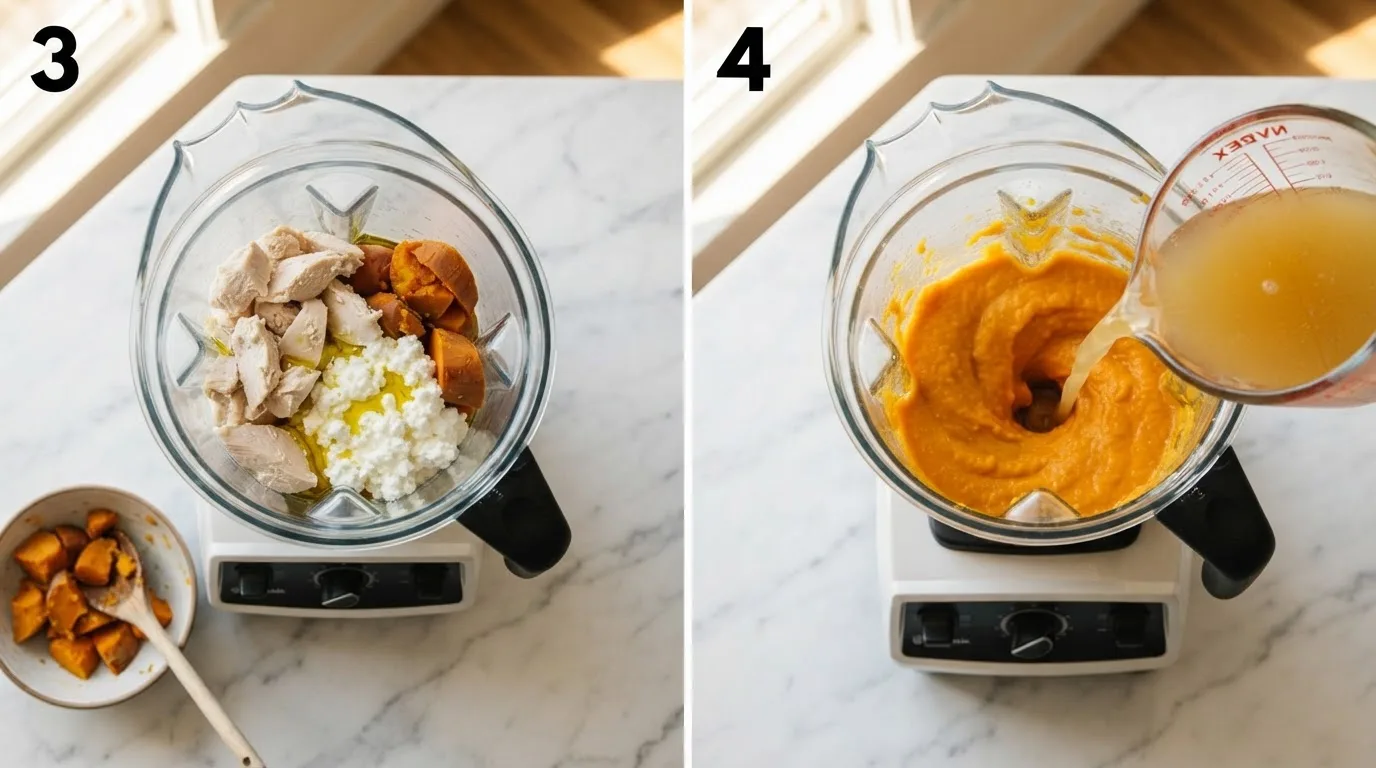
Transfer the chicken to the blender, reserving the poaching broth. Add the steamed sweet potato, cottage cheese, and olive oil. Warm ingredients blend more easily because the starch and fat are less firm, producing a smoother puree. If your blender manufacturer advises against hot blending, let the ingredients cool slightly and vent the lid as directed.
Step 4 — Blend, adding broth gradually
Start on low speed and increase to high. Add about 1 cup of reserved broth a few tablespoons at a time, blending for 60–90 seconds after each addition. Stop to scrape the sides when needed. Gradual additions let the blades circulate the solids without making the food watery. Blend until glossy and free of visible flecks.
Step 5 — Strain for a truly lump-free texture
Push the puree through a fine mesh strainer into a bowl, using a rubber spatula. The mesh catches resistant chicken fibers that blades cannot fully remove. This takes about 2–3 minutes, but it is the step that changes a merely blended mixture into smooth food for an approved soft-food phase.
Step 6 — Stir in the protein boost and season
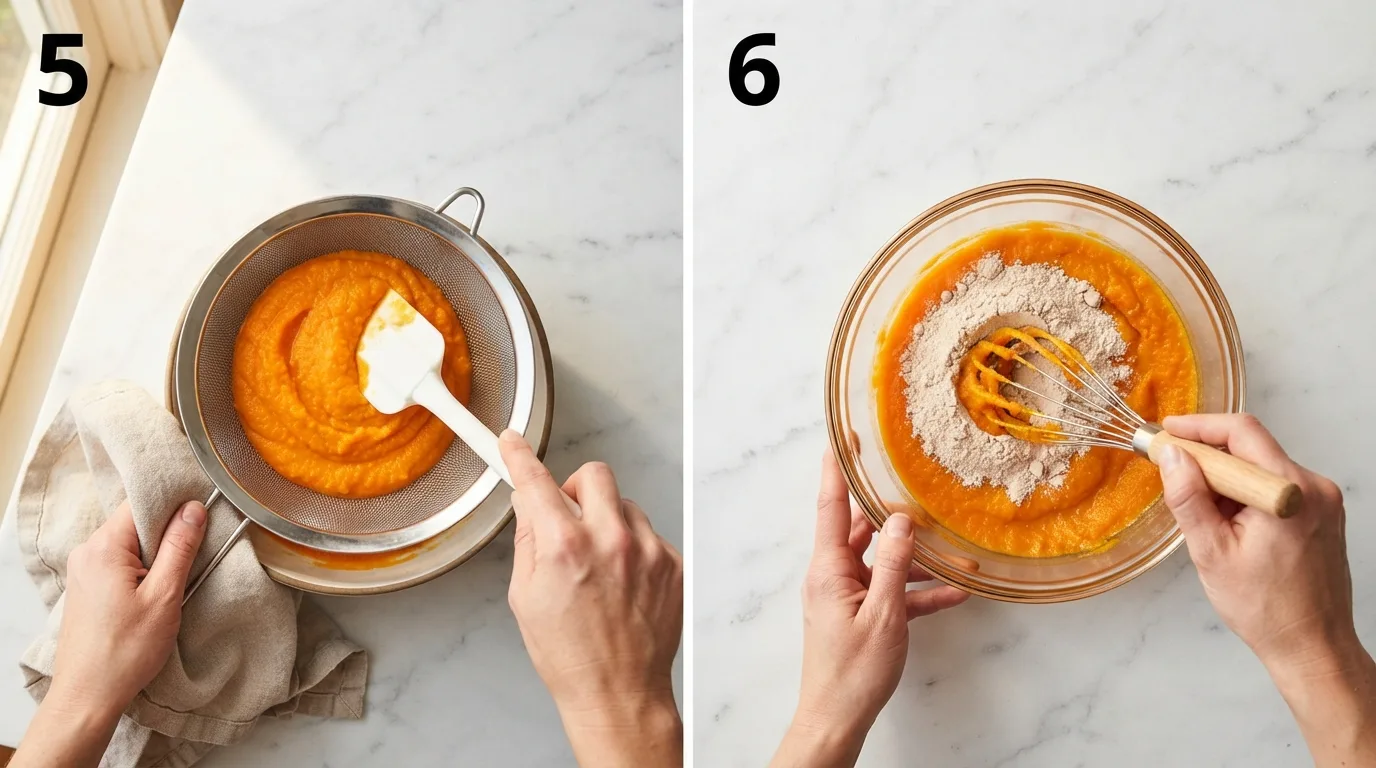
Whisk in 1 scoop of unflavored protein powder, if using, then add salt to taste. Stir until no clumps remain. Let the finished mixture cool to warm, not boiling, before serving; the gentle temperature protects the texture and makes it more comfortable during recovery.
Pro Tips for Consistent High Protein Pureed Food
Tip 1: Weigh the solids. Measure the 1 pound of chicken and 300 grams of sweet potato before blending. Similar weights give you more repeatable protein, calories, and texture from batch to batch.
Tip 2: Add broth slowly. A few tablespoons at a time lets the processor circulate the mixture without making it watery. This matters when you are following a pureed diet or working toward texture goals after surgery.
Tip 3: Strain every batch. Even a strong food processor can leave fine chicken fibers. The extra minute or two is worthwhile for smooth food during a pureed food phase.
Variations and Substitutions

Dietary variations:
- Dairy-free: Use dairy-free yogurt or coconut cream for texture, but neither replaces cottage cheese’s protein. Choose a suitable dairy-free protein powder if your plan requires extra protein.
- Lower sodium: Choose no-salt-added broth and season lightly with blended thyme or parsley, if approved for your texture level.
Flavor variations:
- Beef and carrot: Replace the chicken with lean ground beef or tender stew beef and use steamed carrots. Cook beef for about 25 minutes, until tender enough to puree.
- Salmon and pea: Use poached salmon and steamed peas, then strain twice because pea skins can remain fibrous.
Ingredient substitutions: Cottage cheese can be replaced 1:1 with plain full-fat Greek yogurt; sweet potato can be replaced with russet potato or carrots; chicken broth can be replaced 1:1 with vegetable broth. Beans or cooked turkey need their own texture and liquid adjustments, so test them separately.
For the rest of the table, dolly’s chicken and stuffing casserole and cheesy ranch potatoes and sausage are easy meals to prepare alongside these pureed recipes.
Troubleshooting
My puree still has tiny lumps after blending — what happened?
The chicken may have been seared, undercooked, or not blended long enough. Reblend in a blender, food processor, or processor blender for 60–90 seconds, then use the strainer. Do not serve it until the texture matches the level approved for the recovery phase after surgery.
My puree separated in the fridge — why?
Too much broth leaves more free water than the starch and protein can hold together. Stir firmly or reblend for 15 seconds before serving. A frozen batch may also separate because ice crystals disrupt the dairy solids, so expect to stir it after thawing.
The texture is too thick to push through the strainer easily?
Add broth 1 tablespoon at a time and reblend for 30 seconds after each addition. This gives the blades enough liquid to circulate the food without making the mixture loose.
Storage and Make-Ahead
Counter: Refrigerate cooked food within 2 hours, or within 1 hour if the room is above 90°F.
Refrigerator: Store in shallow, airtight containers for up to 3 days. Stir before serving.
Freeze: Portion into a silicone tray and freeze for up to 2 months. Thaw overnight in the refrigerator, then stir well; the consistency may change slightly.
Reheating: Warm in a saucepan over low heat or microwave in 20-second bursts, stirring each time, until the center reaches 165°F. Add broth if needed.
Make-Ahead: Cook the chicken and sweet potato separately up to 2 days ahead, cool promptly, and refrigerate. Blend fresh when needed for recovery meals during the soft food phase.
Frequently Asked Questions
Q: Is this recipe safe for someone with a swallowing disorder? A: I’m a self-taught home cook, not a dietitian or speech therapist. Follow the texture level prescribed by the care team, whether it is for surgery recovery, a pureed diet, or another phase of care. They should approve this food before serving.
Q: How much protein does one serving contain? A: The original estimate is about 26–30 grams per 1-cup serving, but the exact nutrition depends on the chicken, cottage cheese, powder, and final yield. Check your product labels for the most accurate number.
Q: Can babies eat this puree? A: Ask your pediatrician first. Skip added salt and protein powder; infants have different nutrition needs, and this recipe is designed for approved adult soft-food or recovery meals, not automatically for babies.
Q: Which protein powder should I use? A: Choose an unflavored powder that fits your diet and care plan. Whey isolate and collagen peptides behave differently nutritionally, so compare their labels rather than assuming they are interchangeable. Avoid sweet flavors in this savory food.
Q: Can I double or triple the recipe? A: Yes, if your blender or food processor has enough room. Work in batches when needed, especially with warm food, and allow extra time for blending and straining.
Q: Why strain pureed recipes after blending? A: Chicken can leave fine fibers that blades do not remove. Straining gives a more even consistency, but your care team’s texture instructions still control what foods are appropriate.
Q: Can I use a regular blender? A: Yes. A standard blender, immersion blender, or food processor blender may need more time than a high-powered model. Check the texture carefully and use the strainer before serving.
Save these high protein meal ideas for the next food phase, and tell me which approved consistency worked for your household.
More Comforting Recipes You’ll Love
- Cheesecake Bread — a sweet, tender loaf for everyone else at the table.
- Dolly’s Chicken and Stuffing Casserole — a hearty meal that takes little hands-on time.
- Cheesy Ranch Potatoes and Sausage — an easy dinner for the rest of the household.
- Banana Tempura — a sweet treat after several savory meals.

High Protein Pureed Food Recipes
Ingredients
For the base:
- 1 lb boneless skinless chicken breast, cut into 1-inch pieces
- 1 medium sweet potato (about 300g), peeled and cubed
- 1 cup low-sodium chicken broth, plus more as needed
- 1/2 cup full-fat cottage cheese
- 2 tablespoon olive oil
- 1/4 teaspoon salt, or to taste
Optional add-in:
- 1 scoop unflavored whey or collagen protein powder
Instructions
- Add the chicken pieces to a saucepan and cover with the chicken broth. Bring to a gentle simmer over medium heat and cook for 12–15 minutes, until fully cooked through.
- While the chicken poaches, steam the cubed sweet potato for 10–12 minutes, until fork-tender.
- Transfer the poached chicken (reserving the poaching broth) and the steamed sweet potato to a blender. Add the cottage cheese and olive oil.
- Blend on high speed, adding the reserved broth a few tablespoons at a time, starting with about 1 cup total, until completely smooth with no visible flecks.
- Push the blended mixture through a fine mesh strainer into a bowl, using a rubber spatula to work it through.
- Whisk in the protein powder, if using, along with salt to taste. Stir until fully dissolved, then serve warm.
Notes
- Weigh the chicken and sweet potato when possible — volume measurements vary enough to change the final texture noticeably.
- Add broth gradually and only as needed; it’s much easier to thin an overly thick batch than to fix one that’s too loose.
- For a dairy-free version, swap the cottage cheese for canned coconut cream or a dairy-free yogurt, and add an extra half-scoop of protein powder to offset the protein difference.
- Freezes well for up to 2 months when portioned in a silicone ice cube tray, then transferred to a freezer bag once solid.
- Refrigerated leftovers keep for up to 3 days; stir or re-blend briefly before serving if any separation has occurred.
- Reheat gently in short bursts, stirring between each, and add a splash of broth if the texture thickens after refrigeration or freezing.
- Chicken thighs can replace chicken breast for a slightly richer, smoother result.
- Skip the salt and protein powder entirely if using this base for baby food.