Straub’s Chicken Salad Recipe (Copycat, Tested)

If you grew up near a Straub’s in St. Louis, you know the chicken salad isn’t like the stuff at other grocery stores. No wet celery chunks. No big shreds of chicken falling out of the sandwich. It’s almost smooth — finely ground, creamy, and somehow still tastes like actual chicken instead of mayo filler.
I tried to copy it three separate times before I got the texture right. The first batch, I hand-chopped the chicken small and it still looked nothing like the deli case. The second batch I over-processed it into paste. The third batch is the one below — and it’s the one my tester (a former Missouri resident, so she’d know) said tasted “unsettlingly accurate.”
This isn’t a wild reinvention. It’s a straub’s chicken salad recipe built to match the original as closely as a home kitchen allows.
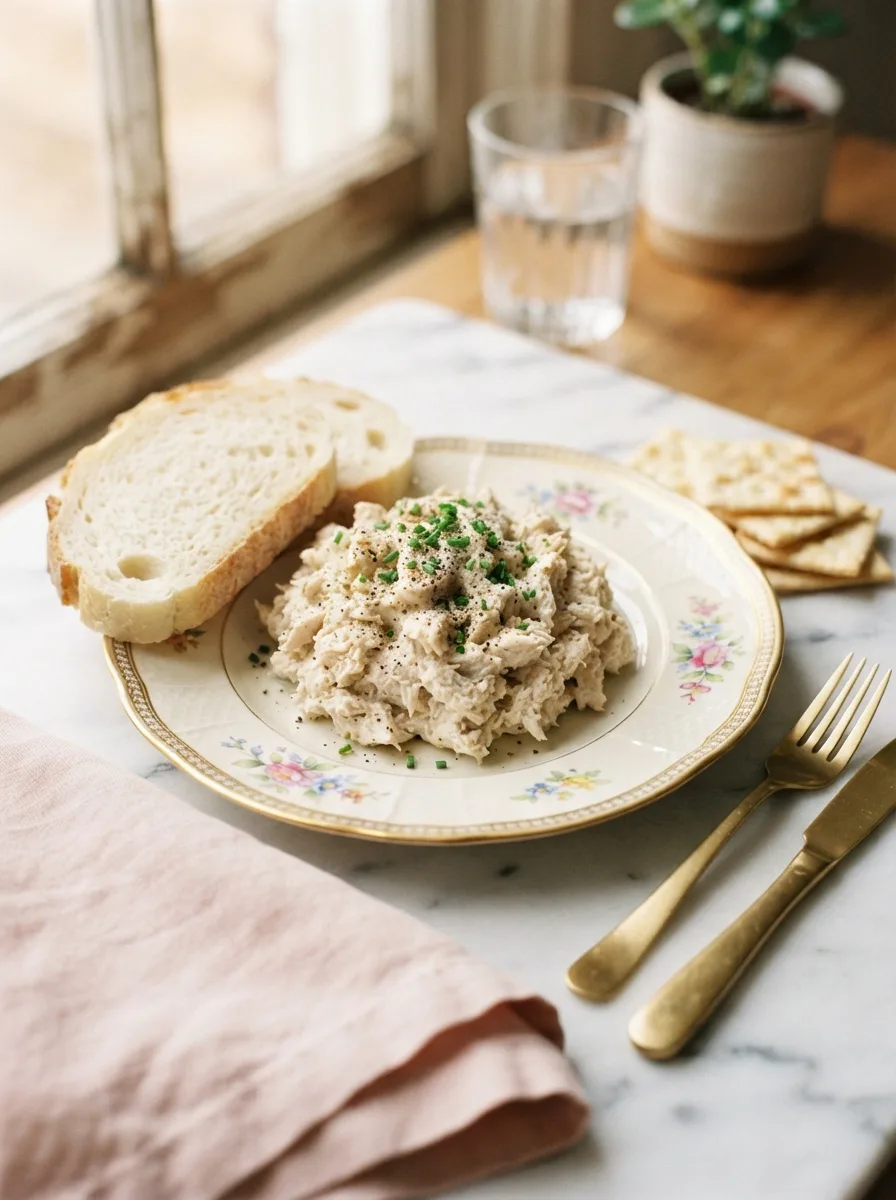
The texture is really the whole point here. Once you get the chicken fine enough — not shredded, not pureed, just finely and evenly ground — the dressing coats every bite instead of pooling at the bottom of the bowl. That’s the detail most copycat recipes online get wrong, and it’s the detail this one is built around.
★★★★★ “I grew up fifteen minutes from a Straub’s and have missed this since I moved away. This is the closest I’ve had anywhere, including other copycat recipes online. The texture is what nails it.” — Karen T., recipe tester (pre-launch)
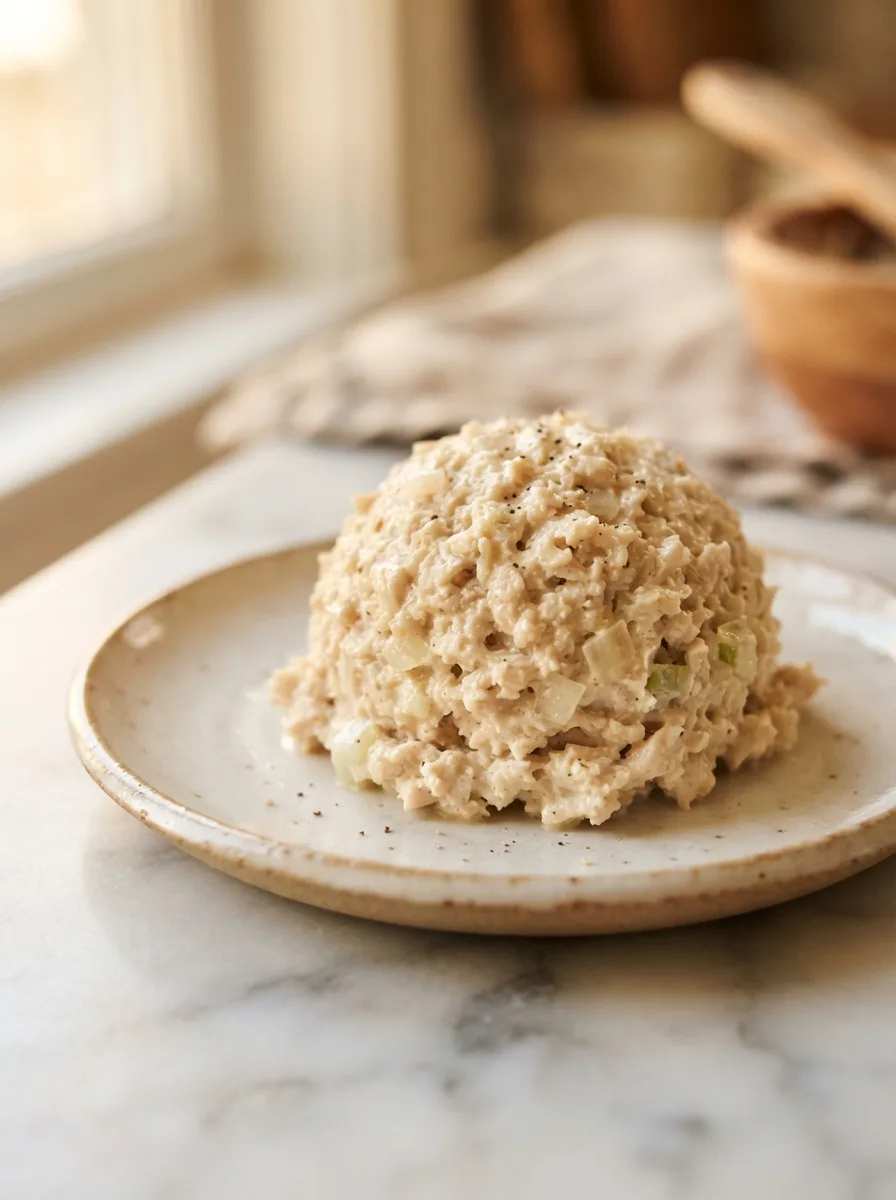
Why You’ll Love This Straub’s Chicken Salad Recipe
- The real texture, finally: Finely ground chicken instead of chopped or shredded — this is the detail that separates a real Straub’s copy from the dozens of “close enough” versions online.
- No celery crunch: If you remember the original, you’ll remember it’s smooth, not crunchy. Celery seed does the flavor work here instead of diced celery.
- Make-ahead friendly: It actually tastes better the day after you make it, once the dressing has had time to settle into the chicken.
- Stretches further: Because the chicken is finely ground and evenly dressed, one batch makes noticeably more sandwiches than a chunky version made with the same amount of chicken.
Key Ingredients
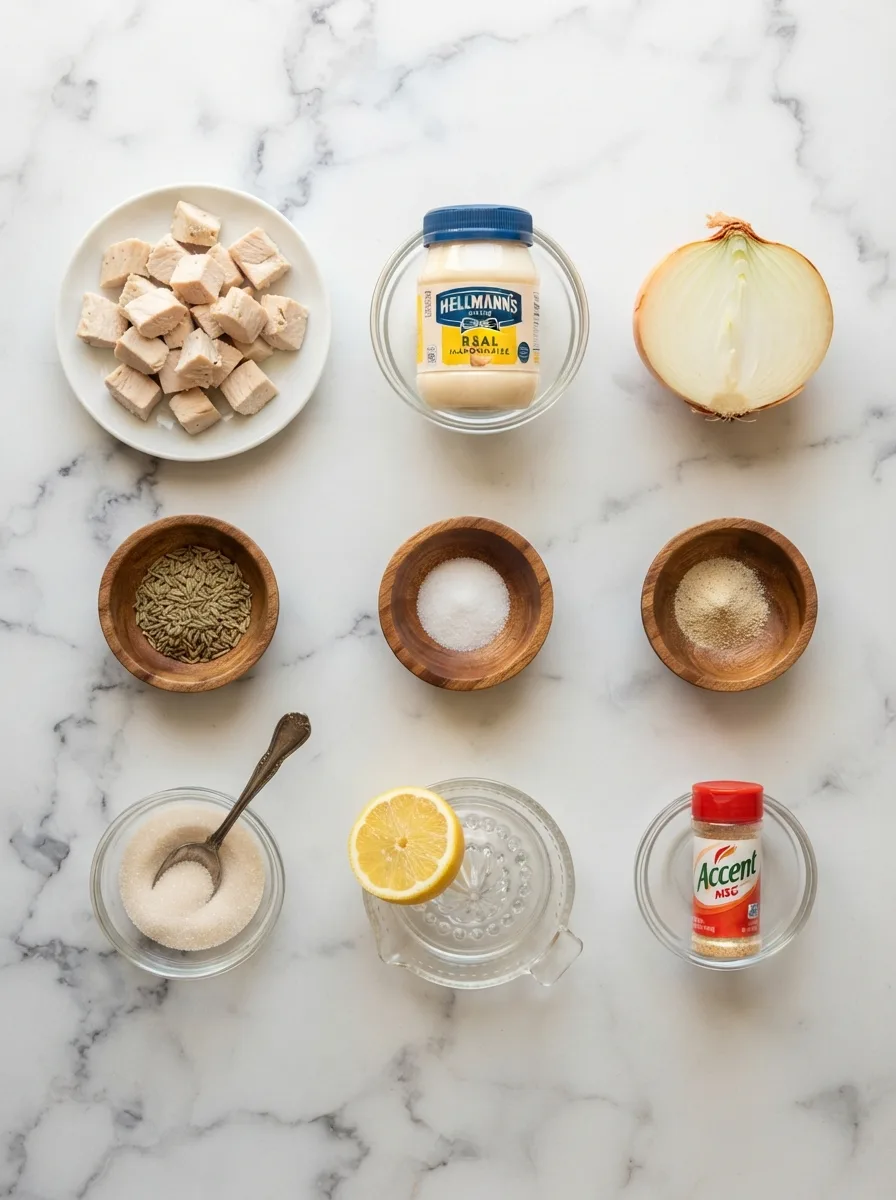
Chicken breast (3 pounds, poached or rotisserie, cooled). Poached breast gives you the most control over texture because it’s easier to grind evenly than rotisserie meat, which has a slightly stringier grain. If you’re short on time, rotisserie works — just pull the meat off before it cools completely, since cold rotisserie chicken is tougher to grind smooth.
Mayonnaise (1½ cups). Use a full-fat, classic mayo — Hellmann’s or Best Foods, not a tangy artisanal brand. Straub’s dressing is mild and slightly sweet, not sharp. Miracle Whip works if that’s your preference, but it will push the flavor sweeter and more acidic than the original.
Grated onion (¼ cup, with its juice). This is doing the flavor job that diced celery does in most other chicken salads — sharp, slightly sweet, and evenly distributed instead of sitting in bites. Grate it on a box grater directly over the bowl so you catch the juice too; that juice carries more flavor than the pulp.
Celery seed (1 teaspoon). This is the ingredient people forget. It gives you the celery flavor of a classic chicken salad without any of the crunch or visible chunks — which is exactly the effect Straub’s has.
Sugar (½ teaspoon) and lemon juice (1 tablespoon). A small amount of both keeps the dressing from tasting flat. Neither should be noticeable on its own — they just round out the mayo.
White pepper (½ teaspoon). White pepper instead of black keeps the finished salad visually clean — no black flecks throughout a pale dressing. Black pepper works in a pinch, but it changes the appearance more than people expect.
Ingredient Note: Accent seasoning (MSG) is optional but it’s part of what gives Straub’s its distinct savory backbone. A quarter teaspoon is subtle — skip it if you’d rather not use it, but I’d try it once before deciding.
Equipment You’ll Need
- Food processor — this is the one non-negotiable tool for the texture. A blender will overwork the chicken into paste; a knife will leave it too coarse. If you don’t have a food processor, a meat grinder attachment on a stand mixer is the next best option.
- Box grater — for the onion. A food processor can also grate onion, but you’ll lose some of the juice that a box grater captures in a bowl underneath.
- Large mixing bowl — for folding the dressing into the ground chicken without breaking down the texture further.
Controlling the Texture (A Controlled Test)
I tested three grinding methods side by side using the same batch of chicken and the same dressing, because texture is the single variable that makes or breaks this recipe.
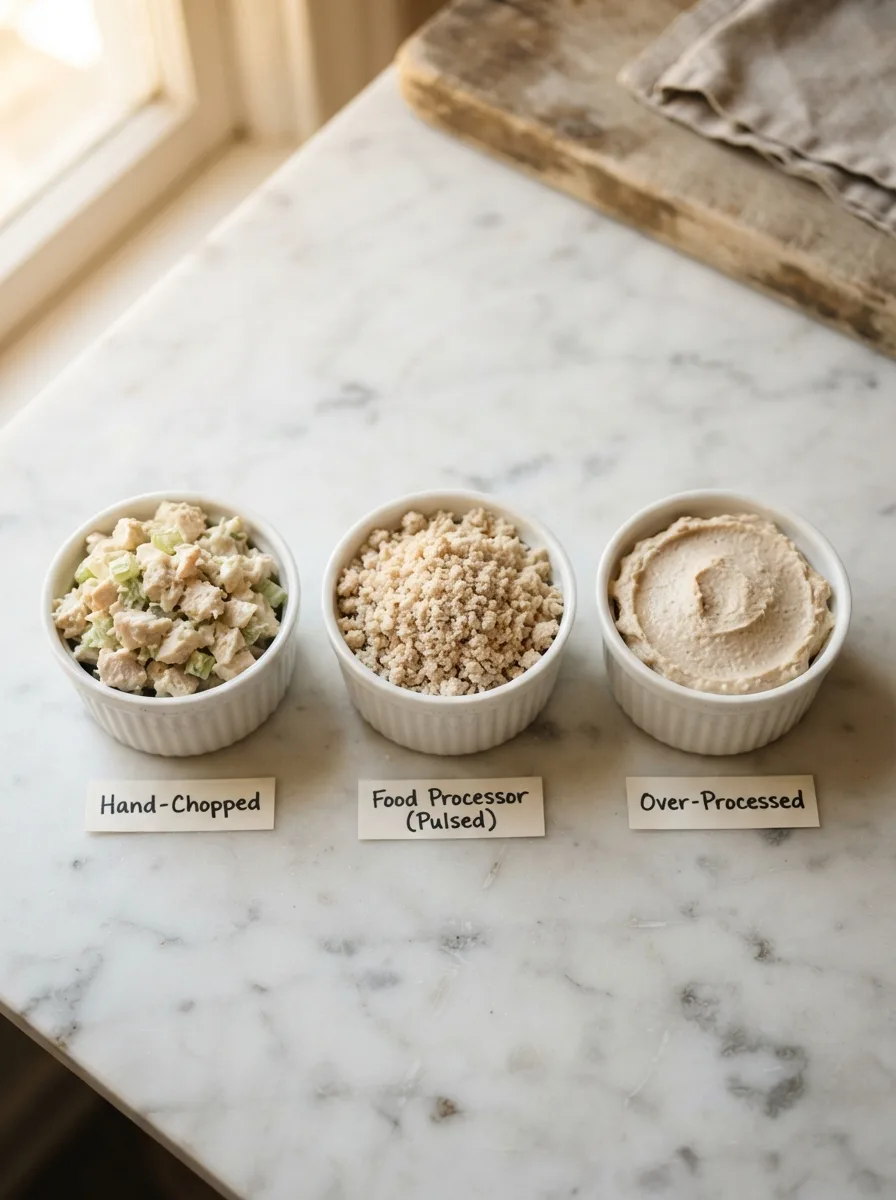
Hand-chopped: Even chopped as small as I could manage with a knife, it still had visible chunks and an uneven bite. Closer to a diner-style chicken salad than a Straub’s copy.
Food processor, pulsed in short bursts: This is the winner. Pulsing in 1-second bursts, scraping down the sides between pulses, breaks the chicken into small, even pieces without turning it into paste. This is the method in the recipe below.
Over-processed (continuous run): Running the processor continuously for even 10 extra seconds turns the chicken gummy and pasty. It technically has “no chunks,” but it loses all texture and tastes like chicken-flavored spread instead of chicken salad.
The takeaway: Pulse, don’t run. Check the texture after every 3–4 pulses. You’re aiming for pieces about the size of a grain of rice — smaller than chopped, nowhere near pureed.
How to Make Straub’s Chicken Salad
Before you start: Chill your cooked chicken completely — at least 2 hours in the fridge — before grinding. Warm or room-temperature chicken grinds unevenly and turns mushy in the food processor.
Step 1 — Cook and cool the chicken
Poach the chicken breasts in gently simmering salted water for about 15–18 minutes, until they reach 165°F internally. Remove and let cool at room temperature for 20 minutes, then refrigerate until fully chilled — this usually takes about 2 hours, but you can speed it up in the freezer for 30 minutes if you’re in a hurry.
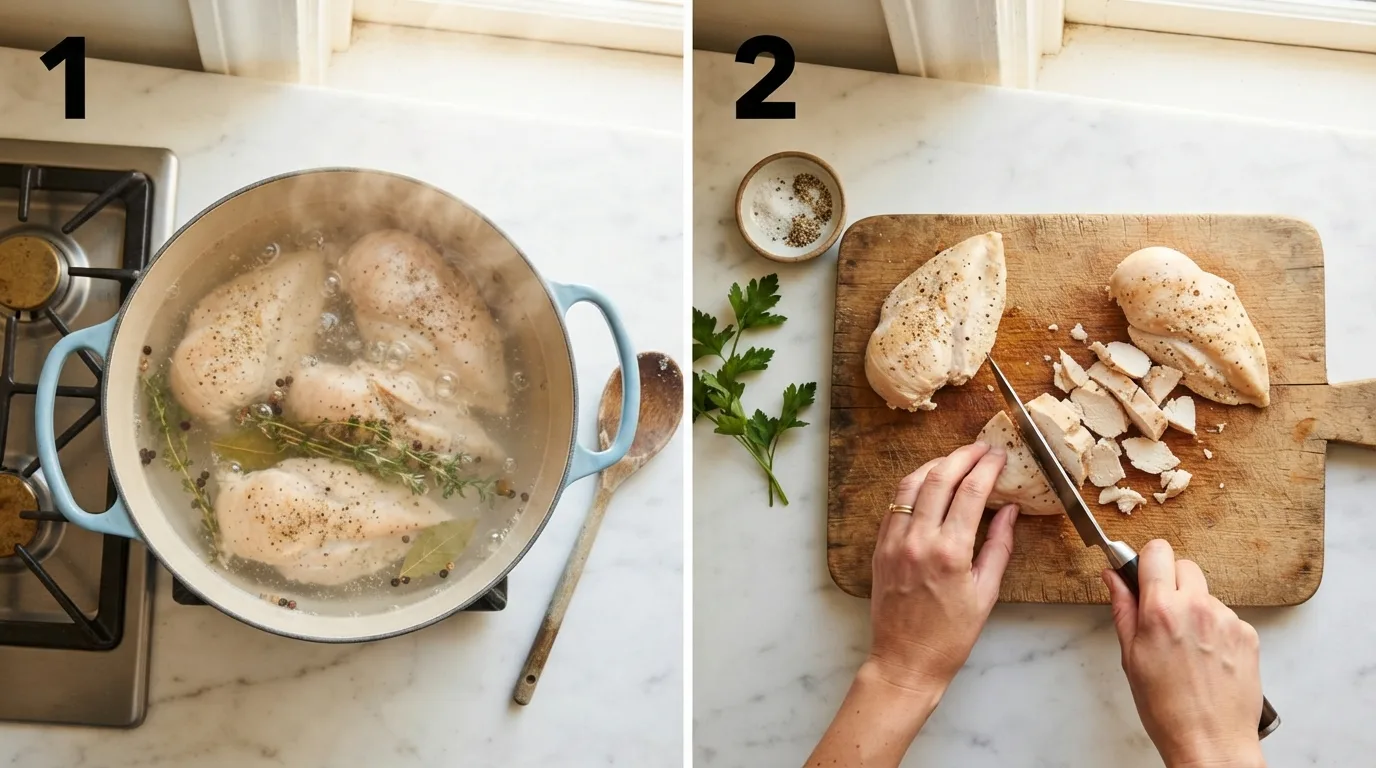
Step 2 — Cut the chicken into rough chunks
Once fully chilled, cut the chicken into 1-inch chunks. This isn’t the final texture — it’s just prep so the food processor has an easier time breaking it down evenly instead of grabbing whole pieces of breast.
Step 3 — Pulse the chicken in the food processor
Working in batches of about 1 pound at a time, pulse the chicken in 1-second bursts, scraping down the sides of the bowl between pulses. Stop when the pieces look like small, even grains — about the size of rice. This usually takes 8–10 pulses per batch.
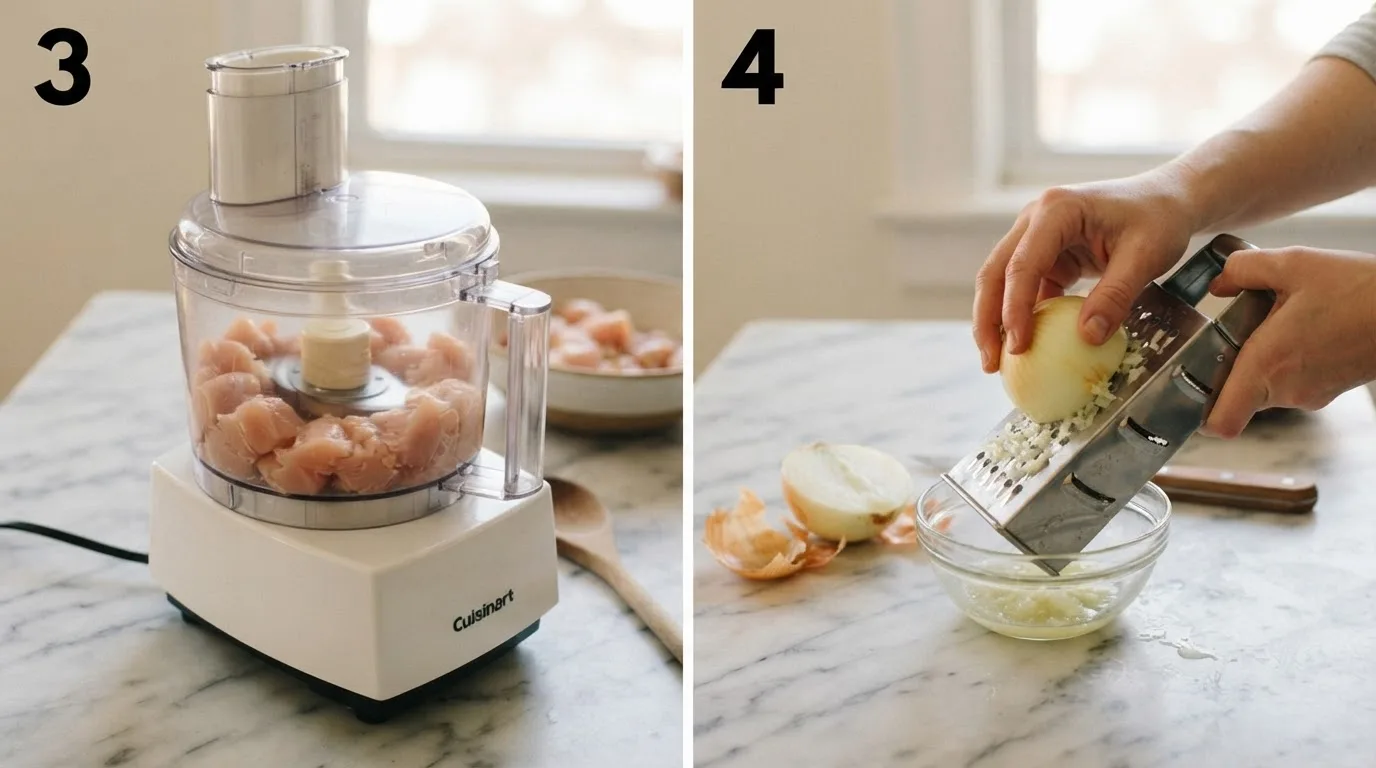
Step 4 — Make the dressing
In a large mixing bowl, whisk together the mayonnaise, grated onion with its juice, celery seed, salt, white pepper, sugar, lemon juice, and Accent if using. Whisk until fully smooth — this only takes about 30 seconds.
Step 5 — Fold the ground chicken into the dressing
Add the ground chicken to the dressing in two additions, folding gently with a rubber spatula rather than stirring hard. Overworking it here can start to break the texture down further, so fold just until everything is evenly coated.
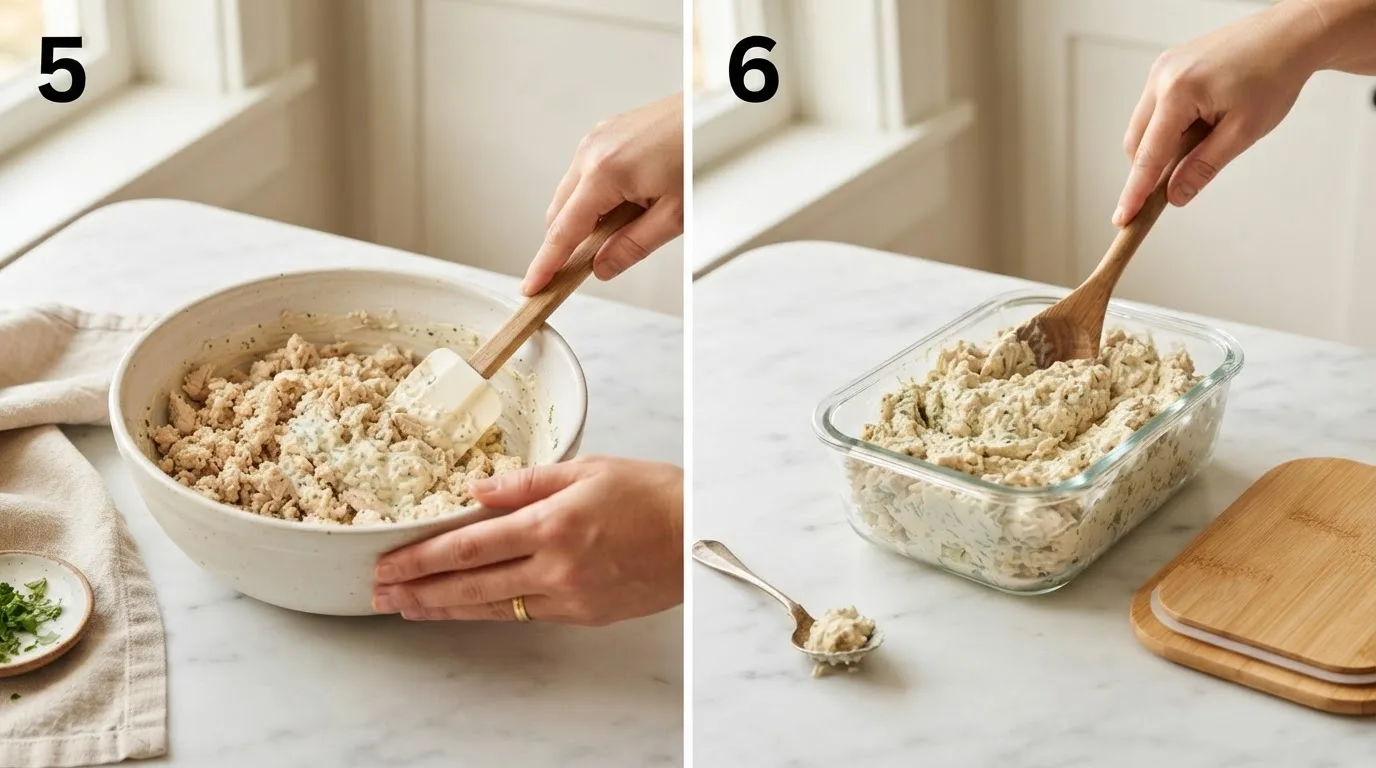
Step 6 — Chill before serving
Cover and refrigerate for at least 2 hours, though overnight is better. This resting time lets the celery seed and onion juice distribute through the whole batch instead of tasting concentrated in some bites and bland in others.
Pro Tips for Perfect Straub’s Chicken Salad
Tip 1: Grate the onion, don’t dice it. Diced onion — even minced small — leaves visible pieces and a sharper, less even bite. Grating breaks down the cell walls more completely, so the flavor spreads through the dressing instead of hitting in isolated bites.
Tip 2: Don’t skip the rest time. Chicken salad eaten right after mixing tastes noticeably flatter than chicken salad that’s chilled for a few hours. The flavors need time to move through the fat in the mayo.
Tip 3: Weigh your batches for the food processor. Overfilling the processor bowl means the blade can’t reach every piece evenly, and you’ll end up with some chunks and some paste in the same batch. Stick to 1-pound batches.
Tip 4: Taste before you add all the salt. Rotisserie chicken is often pre-salted more than poached chicken. Add the salt gradually and taste the dressing before mixing it into the full batch.
Variations and Substitutions
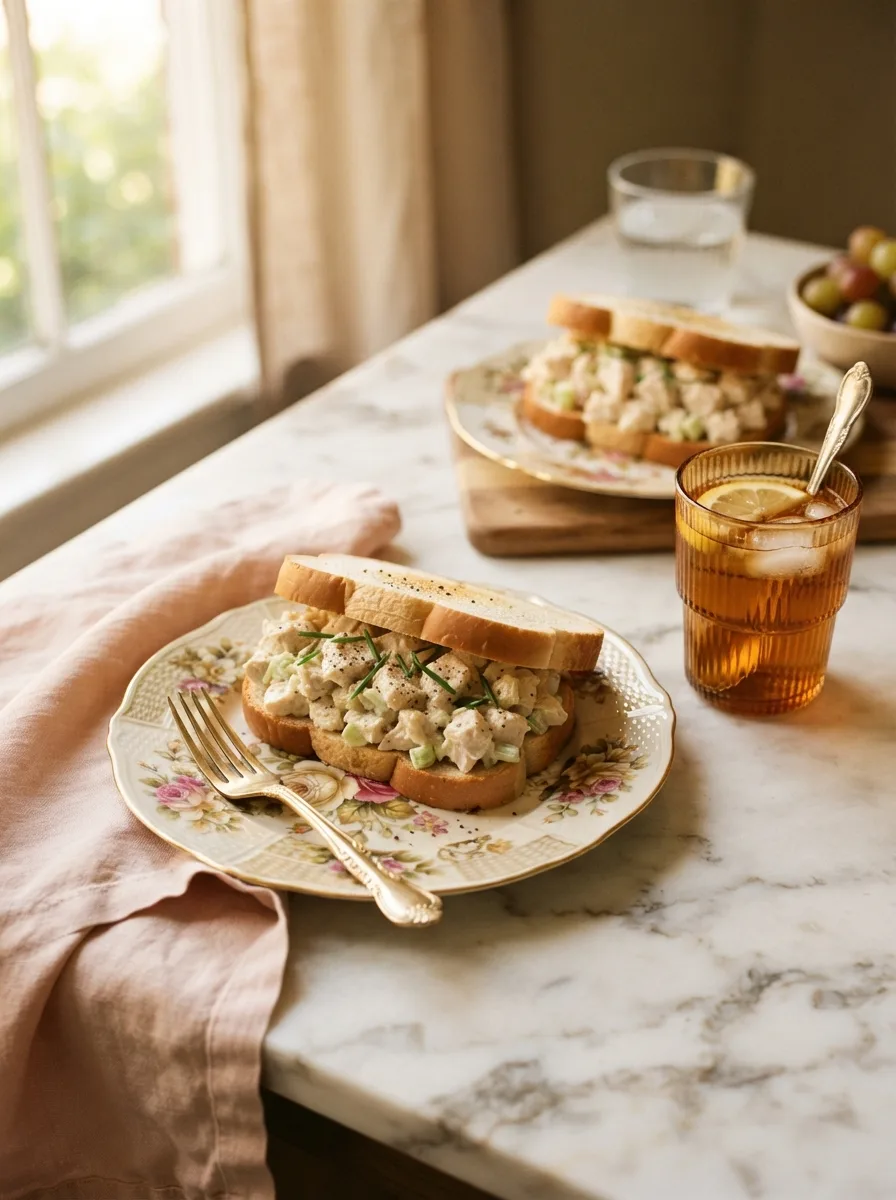
Dietary Variations:
- Lower-fat version: Swap half the mayonnaise for plain full-fat Greek yogurt. The texture stays creamy, but the flavor turns slightly tangier — closer to a ranch note than the original.
- Dairy-free: Not an issue here — the recipe is naturally dairy-free as written. Just double-check your mayo brand’s label if that matters for your household.
Flavor Variations:
- A little sweeter: Straub’s has a subtle sweetness. If you want more of it, add another ¼ teaspoon of sugar rather than reaching for relish, which introduces a texture the original doesn’t have.
Ingredient Substitutions:
- Rotisserie chicken in place of poached — just pull it while still slightly warm for easier grinding.
- Onion powder (½ teaspoon) in place of grated onion in a pinch — the flavor is flatter, but it works.
If you’re looking for another make-ahead lunch or potluck staple, my dolly’s chicken and stuffing casserole uses a similar poached-chicken base and reheats even better than this one.
Troubleshooting
Why is my chicken salad watery?
This almost always means the chicken wasn’t fully drained and cooled after poaching. Pat it dry with paper towels before cutting it into chunks, and make sure it’s fully chilled — warm chicken releases moisture into the dressing as it sits.
My chicken salad turned out mushy instead of finely ground — what happened?
You likely ran the food processor continuously instead of pulsing. Even a few extra seconds of continuous processing turns the texture pasty. Next batch, pulse in short 1-second bursts and check the texture every 3–4 pulses.
The flavor tastes flat right after mixing — is something wrong?
No — this is normal. The dressing needs at least 2 hours in the fridge to fully distribute through the chicken. Taste it again after chilling before deciding it needs more seasoning.
Storage and Make-Ahead
Counter: Don’t leave chicken salad out longer than 2 hours total — it’s a mayo-based salad with cooked poultry, so it needs to stay cold.
Refrigerator: Keeps well for 3–4 days in an airtight container. The flavor actually improves on day 2.
Freeze: Not recommended. Mayonnaise separates and turns watery and grainy once thawed, and the texture of the ground chicken suffers too.
Reheating: This is a cold dish — no reheating needed. Just give it a quick stir if the dressing has settled after a few days in the fridge.
Make-Ahead: You can grind the chicken and refrigerate it separately from the dressing for up to 2 days before combining, which is useful if you’re prepping for a gathering in stages.
Frequently Asked Questions
Q: What makes Straub’s chicken salad different from regular chicken salad? A: The chicken is ground very finely instead of chopped or shredded, and there’s no visible celery — celery seed provides the flavor instead. The result is smoother and creamier than a typical chunky chicken salad.
Q: Can I make this without a food processor? A: You can hand-chop it as finely as possible, but the texture won’t fully match the original. A meat grinder attachment on a stand mixer is the closest alternative if you don’t own a food processor.
Q: Does this recipe use celery at all? A: No. Celery seed replaces both the crunch and the flavor of diced celery, which is part of what makes the texture so smooth.
Q: Can I use canned or pre-cooked chicken to save time? A: Rotisserie chicken works well. Canned chicken tends to be too soft and stringy once ground, and the texture suffers noticeably.
Q: Is the MSG (Accent) necessary? A: No — it’s optional. It adds a savory depth that’s part of the original flavor, but the recipe works fine without it if you’d rather skip it.
Q: How long does this chicken salad last in the fridge? A: 3 to 4 days in an airtight container. It’s best within the first 2 days for texture and freshness.
Q: Can I double this recipe for a party? A: Yes, easily. Just keep grinding the chicken in 1-pound batches in the food processor rather than overloading it, so the texture stays even.
More Chicken and Lunch Recipes You’ll Love
- Dolly’s Chicken and Stuffing Casserole — a cozy, make-ahead baked chicken dinner using a similar poached-chicken method
- Cheesy Ranch Potatoes and Sausage — a hearty sheet-pan dinner that pairs well with this chicken salad as a lighter side
- Cheesecake Bread — a sweet, make-ahead bread that’s perfect alongside a chicken salad lunch spread
- Banana Tempura — a quick dessert if you’re building out a full lunch or brunch menu
Straub’s Chicken Salad Recipe (Copycat, Tested)
Ingredients
For the chicken:
- 3 lb boneless, skinless chicken breast
- Water, for poaching
- 1 tablespoon salt (for poaching water)
For the dressing:
- 11/2 cup mayonnaise
- 1/4 cup grated onion, with juice
- 1 teaspoon celery seed
- 1 teaspoon salt
- 1/2 teaspoon white pepper
- 1/2 teaspoon sugar
- 1 tablespoon lemon juice
- 1/4 teaspoon Accent seasoning (MSG), optional
Instructions
- Bring a large pot of salted water to a gentle simmer. Add the chicken breasts and poach for 15–18 minutes, until they reach 165°F internally.
- Remove the chicken and let it cool at room temperature for 20 minutes, then refrigerate until fully chilled, about 2 hours.
- Cut the chilled chicken into 1-inch chunks.
- Working in 1-pound batches, pulse the chicken in a food processor in 1-second bursts, scraping down the sides between pulses, until the pieces are small and even, about the size of rice grains.
- In a large mixing bowl, whisk together the mayonnaise, grated onion with its juice, celery seed, salt, white pepper, sugar, lemon juice, and Accent seasoning if using.
- Fold the ground chicken into the dressing in two additions, mixing gently until just combined.
- Cover and refrigerate for at least 2 hours, or overnight for best flavor, before serving.
Notes
- Grate the onion over a bowl to catch the juice — it carries more flavor than the grated pulp alone.
- Pulse the food processor in short bursts and check texture frequently; running it continuously turns the chicken pasty.
- Rotisserie chicken can replace poached chicken — pull it from the bone while still slightly warm for easier grinding.
- This recipe does not include diced celery on purpose; celery seed provides the flavor without the crunch.
- For a tangier, lower-fat version, replace half the mayonnaise with plain full-fat Greek yogurt.
- Store in an airtight container in the refrigerator for 3–4 days; flavor improves after the first day.
- Freezing is not recommended, as the mayonnaise-based dressing separates and turns watery once thawed.
- Taste the dressing before mixing in all the salt, especially if using pre-salted rotisserie chicken.
- For gatherings, chicken can be ground and refrigerated separately from the dressing for up to 2 days before combining.## More Chicken and Lunch Recipes You'll Love
- Title, Jump to Recipe/Print Recipe ✓
- Intro paragraphs ✓
- Hero image (Prompt 1) ✓
- More intro + testimonial ✓
- Feature image (Prompt 2) ✓
- Why You'll Love This section ✓
- Key Ingredients + Ingredients image (Prompt 6) ✓
- Equipment ✓
- Controlling the Texture (Controlled Test) + comparison image (Prompt 4) ✓
- How to Make (all 6 steps with process images 5a, 5b, 5c) ✓
- Pro Tips ✓
- Variations and Substitutions + lifestyle image (Prompt 3) ✓
- Troubleshooting ✓
- Storage and Make-Ahead ✓
- FAQ ✓
- **More Recipes You'll Love** ✓
- Recipe Card (summary line, yield/prep/cook/total/calories, ingredients, instructions, notes) ✓