Doc Ford’s Yucatan Shrimp Recipe Tested

If you’ve ever eaten at Doc Ford’s Rum Bar & Grille on Sanibel Island, you already know the problem: you get home, you crave that shrimp again, and every “copycat” you find online tastes like garlic butter with a splash of hot sauce — not the real thing. I tested this Doc Ford’s Yucatan shrimp recipe five separate times before the sauce actually tasted like the one that comes out of that kitchen. The difference came down to one ingredient almost nobody uses correctly: Pickapeppa sauce.
The real Doc Ford’s Yucatan shrimp isn’t just spicy butter shrimp. It’s a specific balance of rich butter, olive oil, sharp garlic, a Jamaican fruit-and-spice sauce, Worcestershire, and enough lime and jalapeño to make you reach for the bread basket for another dip. Get the ratio wrong and you end up with something greasy, one-note hot, or just… fine. I wanted better than fine.
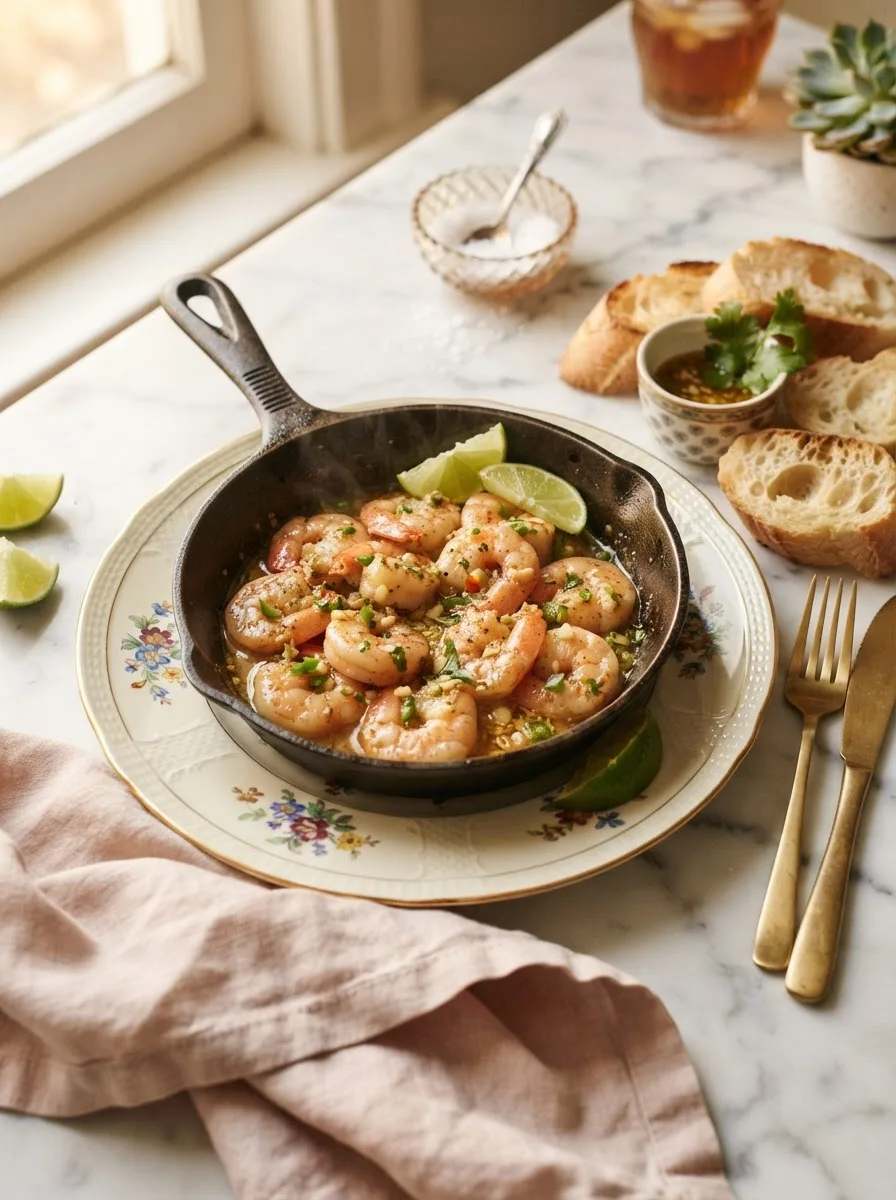
What I landed on after all that testing is a sauce that clings to every shrimp instead of pooling thin and greasy at the bottom of the pan, with enough heat to notice but not enough to drown out the garlic and lime. This is the yucatan shrimp recipe I now make when I want that restaurant flavor without driving to Florida.
★★★★★ “I’ve been to Doc Ford’s three times just for this dish. Made this on a Tuesday and it tasted like I was back on Sanibel. The sauce is exactly right.” — Renee K., recipe tester (pre-launch)
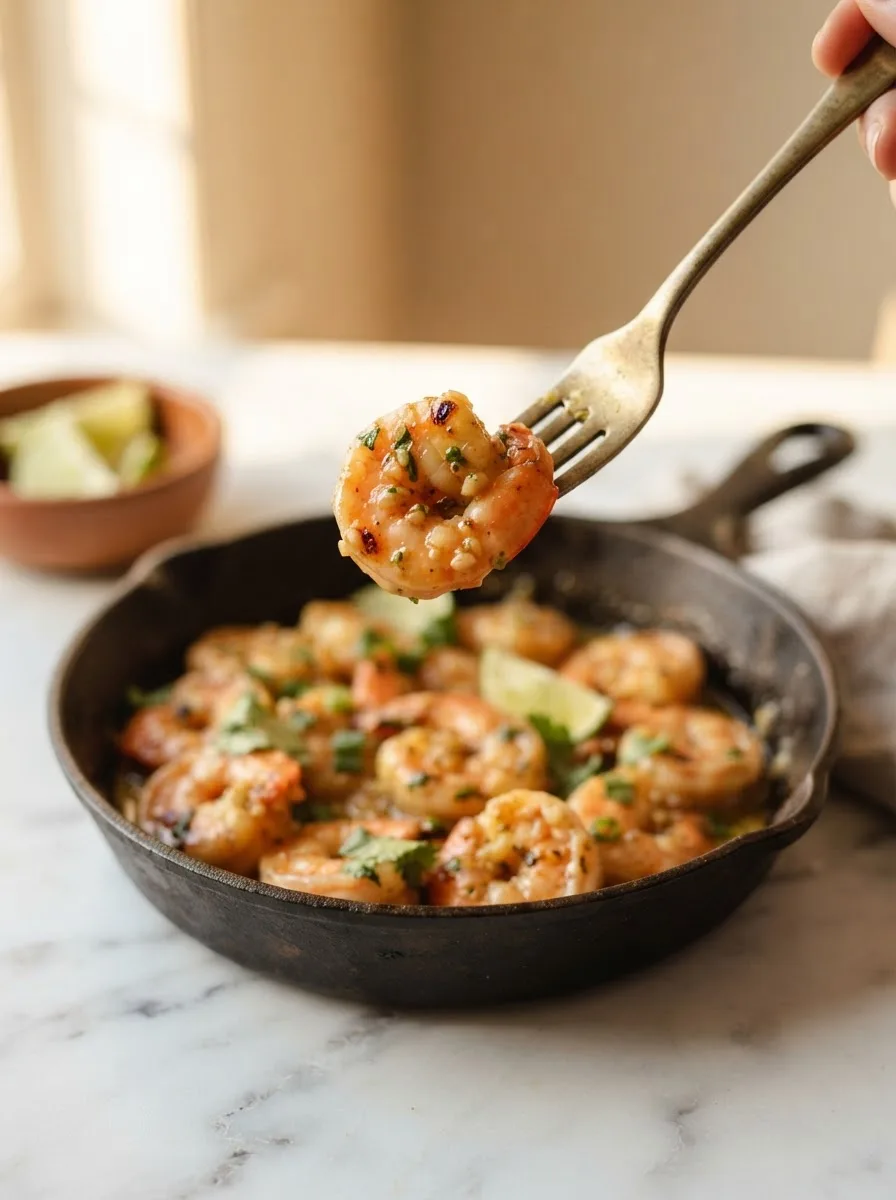
Why You’ll Love This Yucatan Shrimp Recipe
- Tastes like the real thing: The Pickapeppa sauce is non-negotiable here — it’s the ingredient that separates an actual Doc Ford’s Yucatan shrimp recipe from a generic garlic-butter shrimp with hot sauce dumped in.
- Ready in 20 minutes: This is a skillet dish start to finish. No marinating, no breading, no waiting around.
- Built for dipping: The sauce is deliberately loose enough to soak into crusty bread — that’s half the point of the dish, and I designed the ratios around it.
- Scales easily: Doubles cleanly for a crowd without breaking the sauce-to-shrimp ratio, which matters more than you’d think with a recipe this saucy.
Key Ingredients
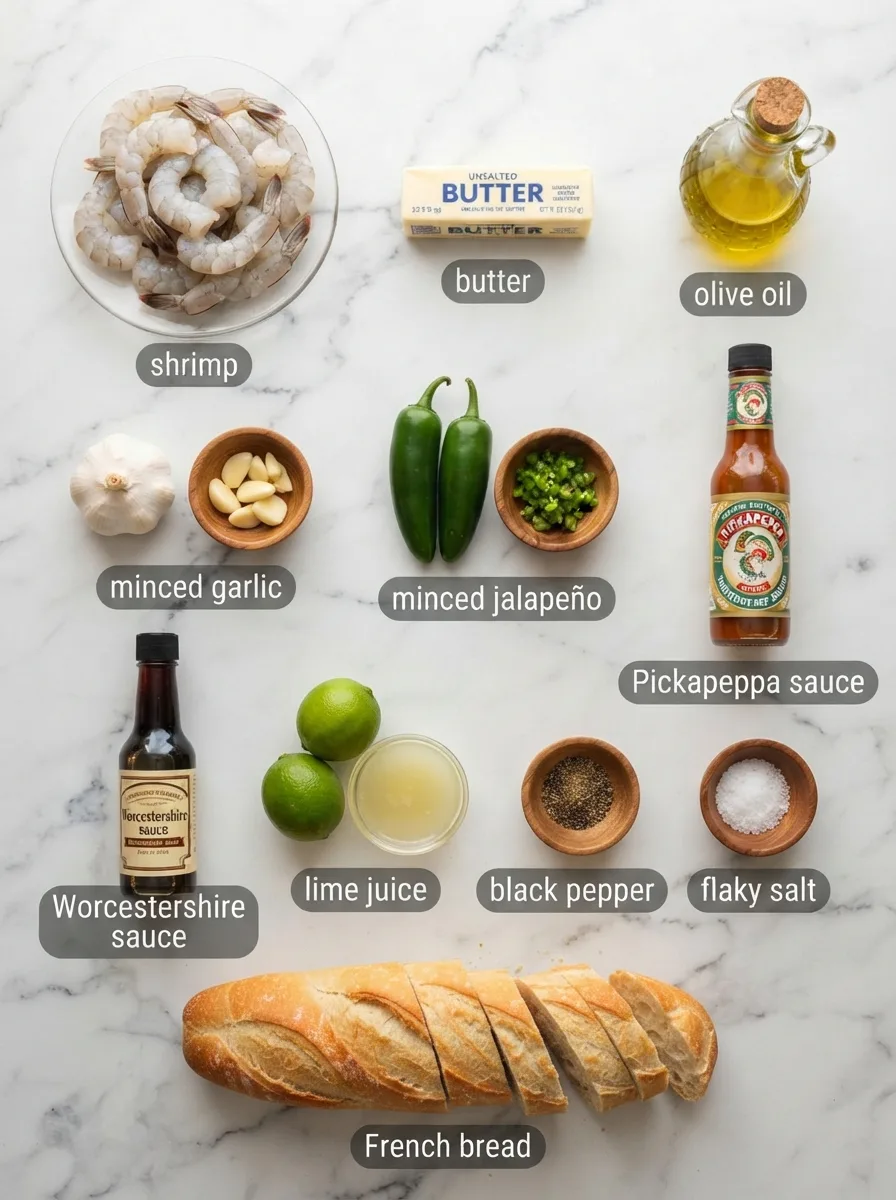
Large shrimp, tails on (2 lbs). Use 21–25 count or larger. Smaller shrimp overcook in the time it takes the sauce to come together, and the tails give you something to hold onto for dipping into the sauce — which is half the experience at the actual restaurant.
Pickapeppa sauce (¼ cup). This is the ingredient that makes this recipe an actual yucatan shrimp recipe instead of a generic garlic-butter shrimp. It’s a Jamaican sauce with tamarind, raisins, and warm spice notes — sweeter and more complex than hot sauce, and there isn’t a real substitute. If you truly cannot find it, A-1 sauce mixed with a pinch of allspice gets you closer than steak sauce alone, but the flavor won’t be identical.
Unsalted butter + olive oil (1 stick + ¼ cup). Butter alone burns before the garlic softens. Olive oil alone won’t give you that glossy, rich mouthfeel the sauce needs. Using both lets you cook the garlic longer without scorching it.
Fresh garlic (6 cloves, minced). Jarred garlic works in a pinch but tastes flatter and slightly bitter once it hits hot butter. Fresh garlic is worth the extra two minutes of mincing here.
Jalapeño (1–3, minced, seeds optional). This is your heat dial — more on that in the Controlled Test section below.
Worcestershire sauce (2 tablespoons) and fresh lime juice (2 limes). Worcestershire adds the savory backbone; lime cuts through the richness of the butter and oil so the sauce doesn’t sit heavy.
Ingredient Note: Don’t substitute bottled lime juice if you can help it. Fresh lime juice has a brighter, less bitter acidity that balances the butter — bottled juice tends to taste slightly metallic once it’s simmered into a hot sauce.
Equipment You’ll Need
- 12-inch skillet or sauté pan — cast iron or stainless steel both work; you want something wide enough that the shrimp cook in a single layer, not a crowded pile.
- Citrus juicer or reamer — makes quick work of two limes; a fork works too if that’s all you have.
- Sharp knife — for mincing garlic and jalapeño finely; large pieces of either will burn before the sauce is done.
- Tongs — for turning the shrimp without tearing them.
Controlling the Heat Level (A Controlled Test)
I tested this yucatan shrimp recipe with 1 jalapeño, 2 jalapeños, and 3 jalapeños, seeds in and seeds out, to figure out where the real Doc Ford’s version actually lands on the heat scale — because most online copycats either undersell the kick or torch your mouth.
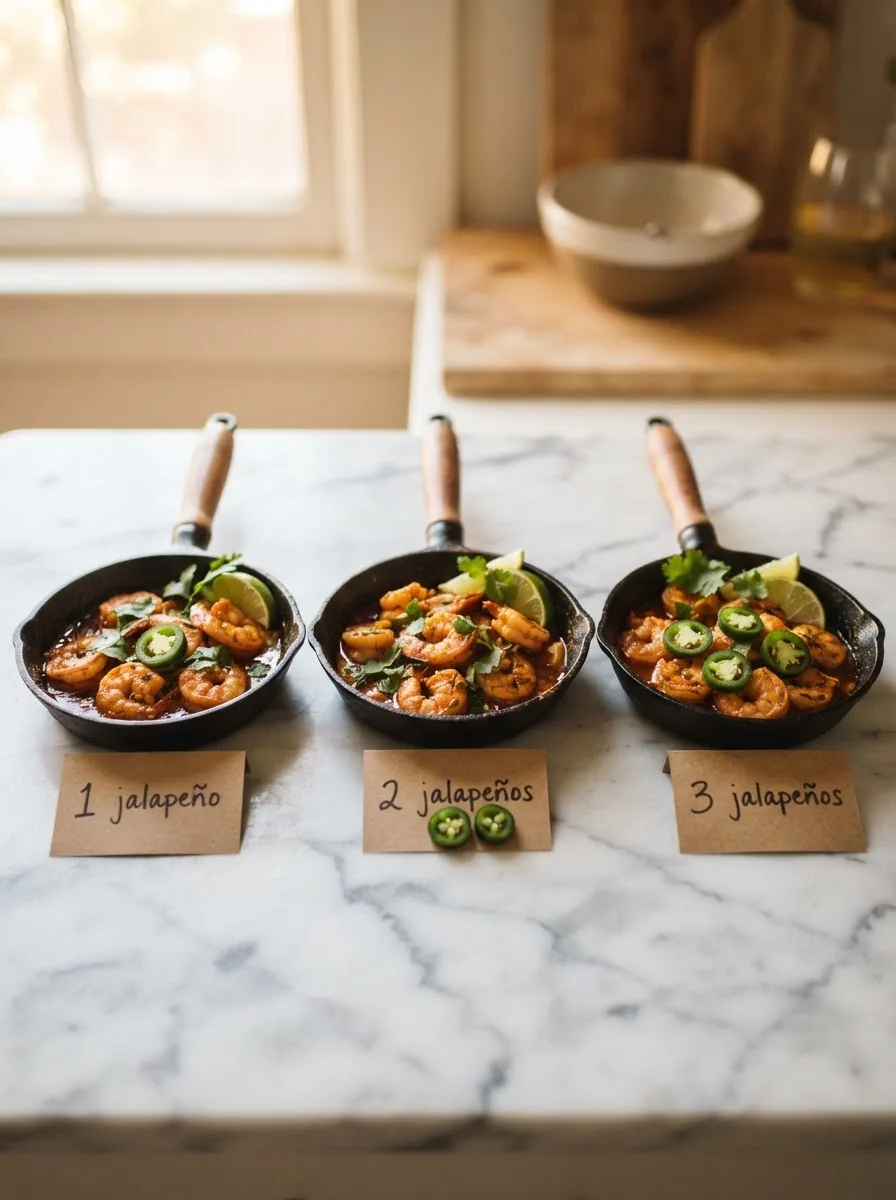
1 jalapeño, seeds removed: Barely a whisper of heat. Tasted more like garlic-lime butter shrimp than the Doc Ford’s version — pleasant, but not it.
2 jalapeños, seeds removed: This is the one. Noticeable warmth that builds after a few bites without overpowering the Pickapeppa and lime. This is the closest match to what I remember eating at the restaurant.
3 jalapeños, seeds in: Too hot for most people at the table — the heat took over and I couldn’t taste the garlic or lime anymore. Save this version for people who genuinely love spicy food.
The takeaway: 2 jalapeños with the seeds removed is the most important variable in this recipe. If you want it milder, drop to 1. If you want it hotter, keep the seeds in on both — don’t add a third pepper, or you’ll lose the balance that makes this dish work.
How to Make Doc Ford’s Yucatan Shrimp
Before you start: Pat the shrimp completely dry with paper towels. Wet shrimp release water into the pan and thin out the sauce before it has a chance to thicken.
Step 1 — Prep the shrimp and aromatics
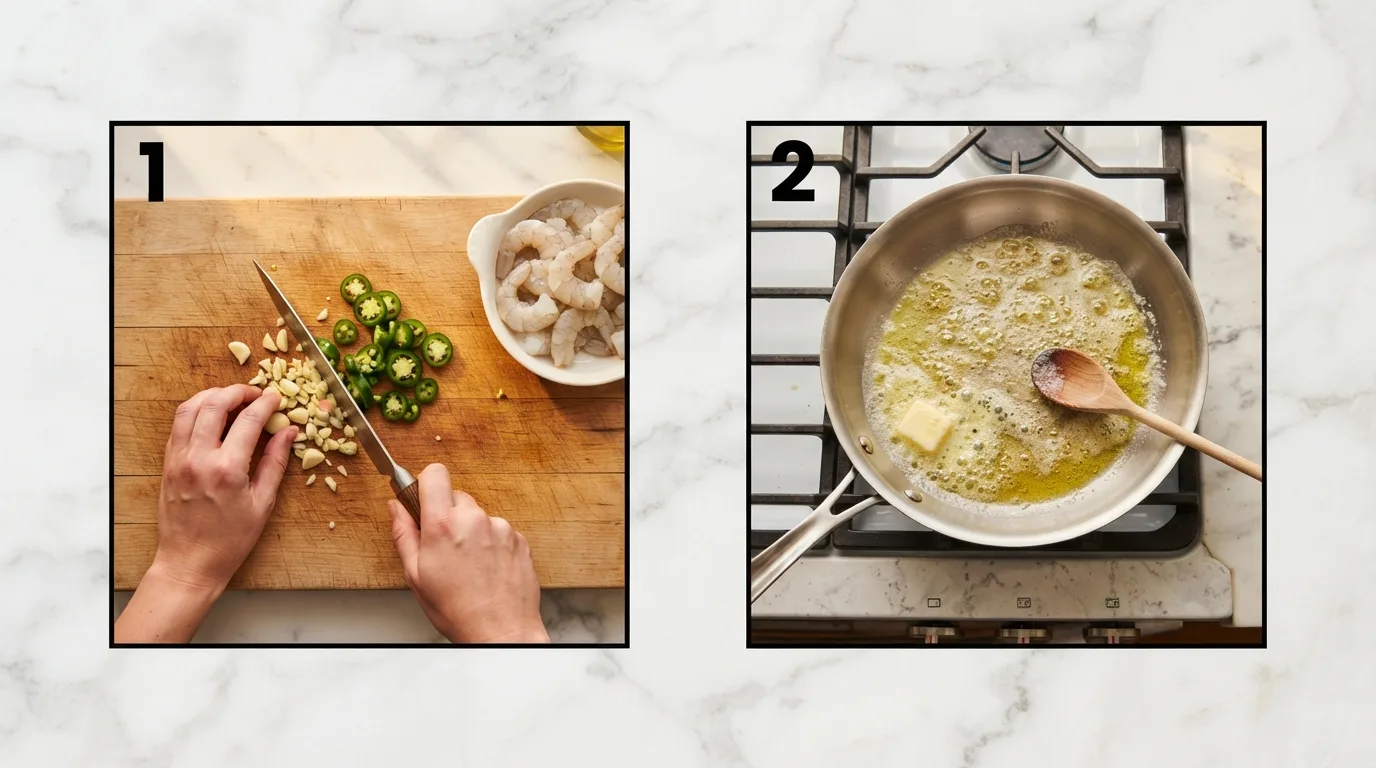
Peel and devein the shrimp, leaving the tails on, and pat them dry. Mince the garlic and jalapeño finely — you want small enough pieces that they melt into the sauce rather than sitting as separate chunks. Juice both limes into a small bowl and set aside.
Step 2 — Build the sauce base
Melt the butter and olive oil together in the skillet over medium heat. Once the butter is fully melted and just starting to bubble, add the minced garlic and jalapeño. Cook for about 90 seconds, stirring constantly — you’re softening the garlic and letting it perfume the fat, not browning it. If the garlic starts to turn golden brown, pull the pan off the heat for a few seconds; burnt garlic will make the whole sauce bitter.
Step 3 — Add the Yucatan flavors
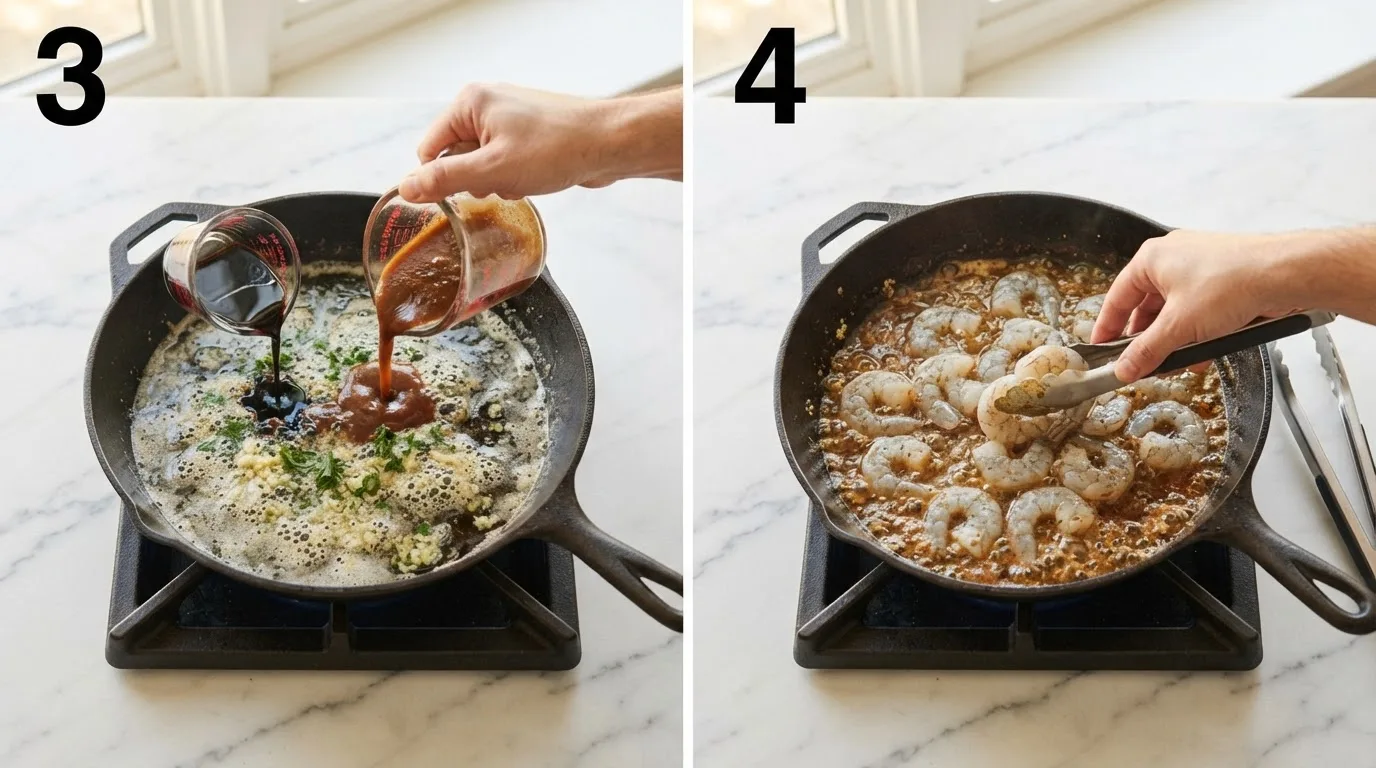
Stir in the Pickapeppa sauce, Worcestershire sauce, and fresh lime juice. Let the mixture simmer for 1–2 minutes so the flavors combine and the sauce reduces slightly. It should look glossy and slightly thickened, not watery. Season with black pepper — I use about 1 teaspoon, coarsely ground so you actually see and taste it.
Step 4 — Cook the shrimp
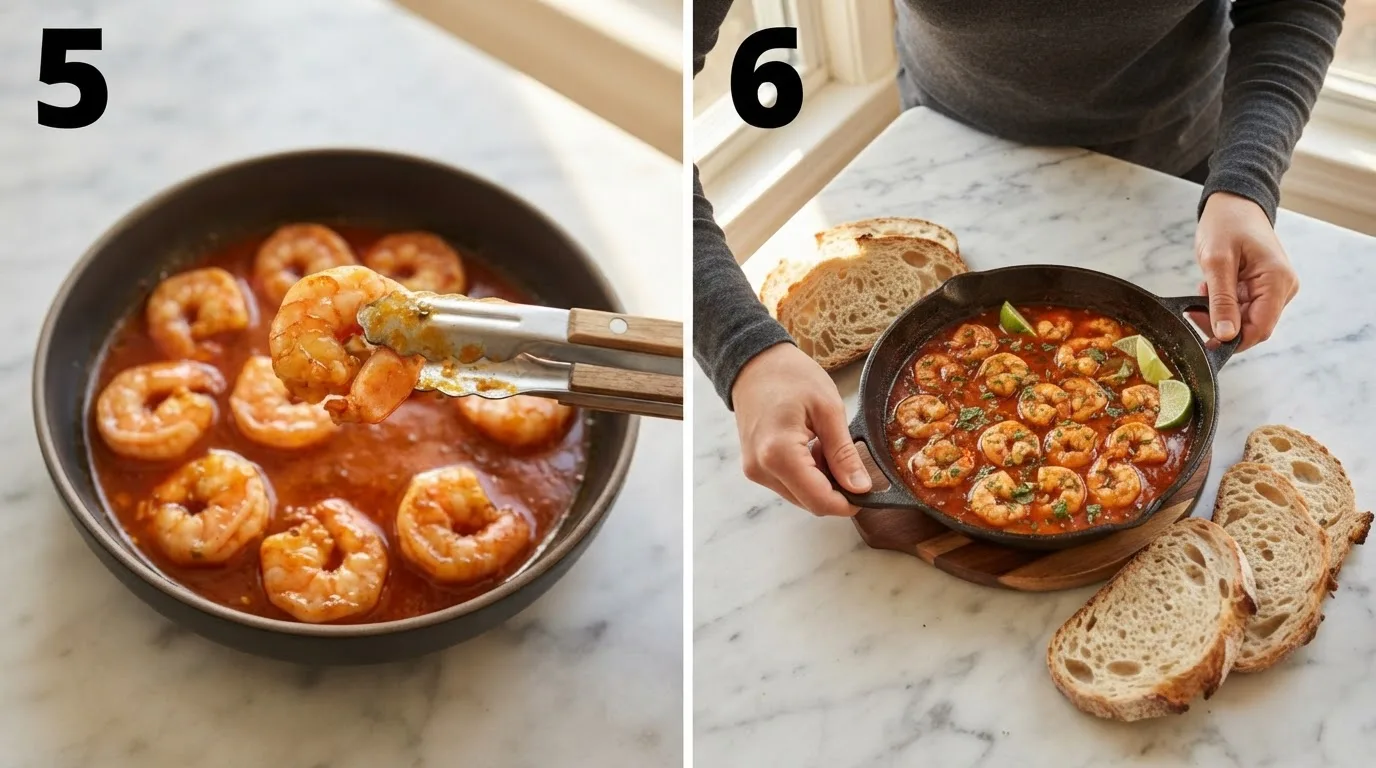
Add the shrimp to the pan in a single layer, spacing them out so each one touches the hot sauce directly. Cook for 2 minutes, then flip each shrimp with tongs and cook for another 2 minutes. You’re looking for the shrimp to curl into a loose “C” shape and turn opaque pink-orange all the way through — a shrimp that curls into a tight, cramped “O” has gone too far and will taste rubbery.
Step 5 — Finish and serve
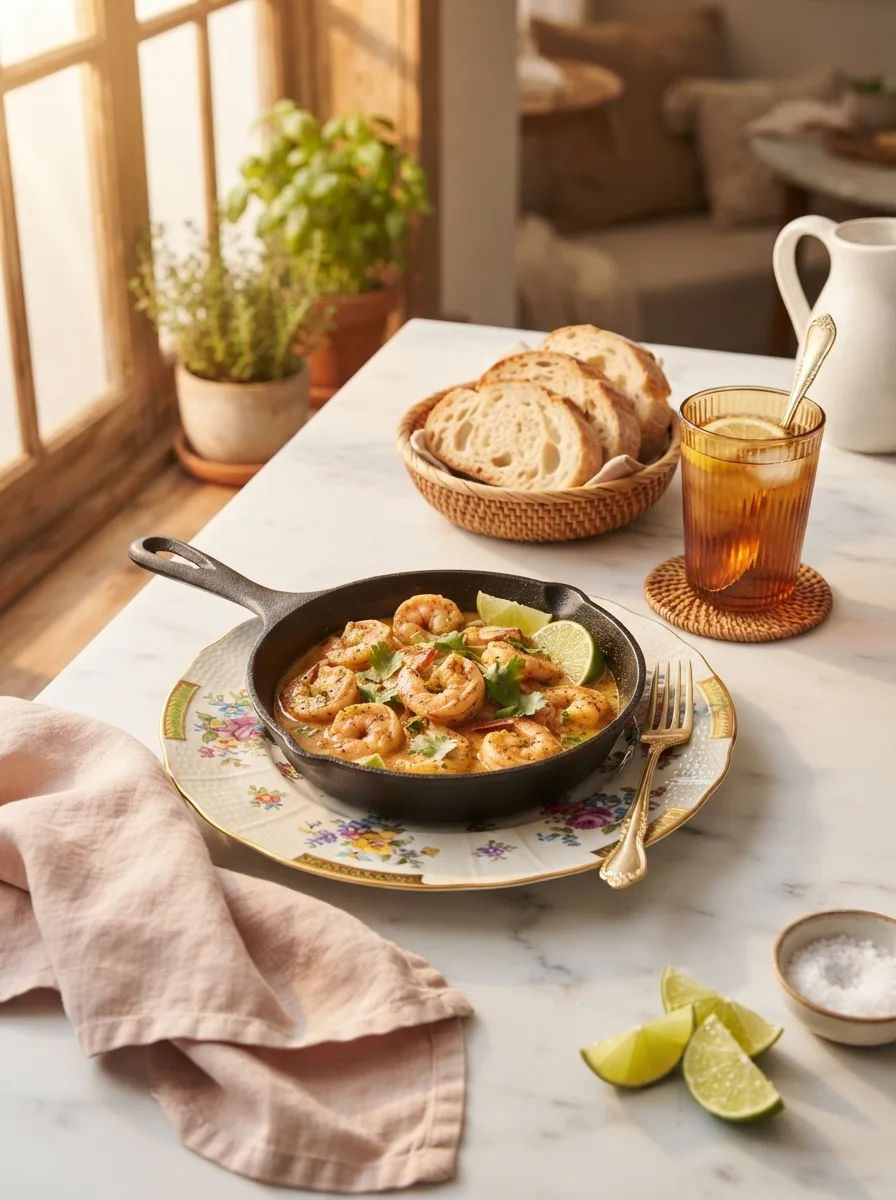
Once the shrimp are just cooked through, pull the pan off the heat immediately — shrimp keep cooking from residual heat for another minute or two even off the burner, and this dish goes from perfect to overdone fast. Taste the sauce and adjust with an extra squeeze of lime or a pinch of salt if needed. Serve straight from the skillet with thick slices of crusty bread for soaking up every bit of sauce.
Pro Tips for Perfect Yucatan Shrimp
Tip 1: Don’t walk away once the shrimp hit the pan. This recipe goes from raw to perfect to overcooked in about 5 minutes total. Stay at the stove for this part.
Tip 2: Pat the shrimp bone-dry before cooking. Any extra moisture dilutes the sauce and keeps it from clinging properly — I learned this the hard way on my second test batch, when the sauce turned watery and never thickened back up.
Tip 3: Toast the bread before serving. A few minutes under the broiler gives the bread enough structure to soak up sauce without turning to mush the second it touches the skillet.
Tip 4: Reserve extra lime wedges at the table. Doc Ford’s serves this with lime on the side for a reason — everyone’s ideal acidity level is a little different, and it’s an easy way to let people adjust their own plate.
Variations and Substitutions
Dietary Variations:
- Dairy-free: Swap the butter for an equal amount of vegan butter or additional olive oil. The sauce won’t be quite as rich, but it still clings well and the flavor holds up.
- Lower-sodium: Use low-sodium Worcestershire sauce and skip added salt entirely — Pickapeppa already carries some salt, so taste before adding more.
Flavor Variations:
- Extra garlicky: Add 2 more cloves of garlic and stir in a tablespoon of minced garlic right at the end of cooking for a sharper, fresher garlic hit on top of the mellow cooked garlic underneath.
Ingredient Substitutions:
- No Pickapeppa sauce available? A-1 sauce plus a pinch of ground allspice and a small pinch of brown sugar gets you into the same flavor neighborhood, though it won’t be identical.
- No fresh jalapeño? A serrano pepper works as a 1:1 swap and brings slightly more heat, so start with one less than the recipe calls for.
If you’re building out a full spread, this yucatan shrimp recipe pairs well with something starchy and rich on the side — my cheesy ranch potatoes and sausage recipe is a good match if you want a heartier plate.
Troubleshooting
Why is my shrimp rubbery?
This almost always means the shrimp cooked too long. Shrimp go from perfectly tender to rubbery in under a minute once they pass the “loose C” stage. Pull the pan off the heat the moment they curl and turn opaque — they’ll keep cooking a bit more even off the burner.
Why is my sauce thin and watery instead of glossy?
Most likely the shrimp weren’t fully dried before cooking, or the sauce didn’t simmer long enough in Step 3 before the shrimp went in. Give the Pickapeppa-Worcestershire-lime mixture a full 1–2 minutes to reduce before adding the shrimp next time.
My sauce tastes flat — what’s missing?
This is almost always a lime problem. Taste the finished dish and add another squeeze of fresh lime juice and a small pinch of salt — the acidity is what makes the butter and Pickapeppa taste bright instead of heavy.
Storage and Make-Ahead
Counter: Don’t leave shrimp at room temperature for more than 1 hour — shellfish spoils faster than most proteins.
Refrigerator: Store leftovers in an airtight container for up to 2 days. The sauce will solidify slightly as the butter chills; that’s normal.
Freeze: Not recommended. The shrimp texture turns mushy and the sauce separates when thawed.
Reheating: Warm gently in a skillet over low heat just until heated through, about 3–4 minutes. Microwaving tends to overcook the shrimp further and make them tough.
Make-Ahead: You can mince the garlic and jalapeño and juice the limes up to a day ahead and store them separately in the fridge — this cuts your active cooking time down to about 10 minutes on the night you actually make the dish.
Frequently Asked Questions
Q: What is Pickapeppa sauce and can I skip it? A: Pickapeppa is a Jamaican condiment made with tamarind, raisins, tomatoes, and warm spices — it’s tangy, slightly sweet, and nothing like hot sauce. You can technically skip it, but the result won’t taste like a true doc ford’s yucatan shrimp recipe anymore; it’ll taste like garlic-lime butter shrimp instead.
Q: Is this yucatan shrimp recipe very spicy? A: With 2 jalapeños and the seeds removed (my tested recommendation), it has noticeable warmth but isn’t aggressively hot. See the Controlled Test section above for how the heat changes with more or fewer peppers.
Q: Can I use frozen shrimp? A: Yes. Thaw them completely in the refrigerator overnight, then pat them very dry before cooking — frozen shrimp release more water as they thaw, and excess moisture is the main cause of a thin, watery sauce.
Q: What should I serve with Yucatan shrimp? A: Crusty bread is essential for the sauce. Beyond that, a simple green salad or rice keeps things light, while my cheesy ranch potatoes and sausage makes it a heartier meal.
Q: Can I make this recipe ahead of time? A: The shrimp itself is best cooked fresh — it’s a 20-minute dish for a reason. But you can prep the garlic, jalapeño, and lime juice up to a day ahead to speed things up.
Q: Do I need to buy a specific brand of Worcestershire sauce? A: No, any standard Worcestershire sauce works fine here. It’s a supporting flavor, not the star — Pickapeppa is doing the heavy lifting.
Q: Can I make this yucatan shrimp recipe less buttery? A: You can shift the ratio toward more olive oil and less butter, but go no lower than 4 tablespoons of butter total — it’s what gives the sauce its glossy texture and helps it cling to the shrimp instead of running thin.
More Shrimp and Skillet Recipes You’ll Love
- Cheesy Ranch Potatoes and Sausage — a hearty, garlicky skillet side that pairs perfectly with saucy shrimp.
- Dolly’s Chicken and Stuffing Casserole — a comforting baked dinner for nights when you want something heavier.
- Cheesecake Bread — if you’re building out a full menu, this makes an unexpected but crowd-pleasing dessert.
- Banana Tempura — a crispy, sweet finish that balances out a spicy, buttery main course.
Doc Ford’s Yucatan Shrimp Recipe Tested
Ingredients
For the shrimp:
- 2 lb large shrimp (21–25 count), peeled and deveined, tails on
For the Yucatan sauce:
- 8 tbsp unsalted butter (1 stick)
- 1/4 cup olive oil
- 6 clove garlic, minced
- 2 jalapeños, seeded and minced (see Notes for heat adjustment)
- 1/4 cup Pickapeppa sauce
- 2 tbsp Worcestershire sauce
- Juice of 2 limes
- 1 tsp coarsely ground black pepper
- Salt, to taste
For serving:
- 1 loaf crusty French bread, sliced and toasted
Instructions
- Peel and devein the shrimp, leaving tails on, and pat completely dry with paper towels.
- Mince the garlic and jalapeño finely. Juice the limes into a small bowl and set aside.
- Melt the butter and olive oil together in a 12-inch skillet over medium heat.
- Add the minced garlic and jalapeño to the melted butter mixture. Cook for 90 seconds, stirring constantly, until fragrant but not browned.
- Stir in the Pickapeppa sauce, Worcestershire sauce, and fresh lime juice. Simmer for 1–2 minutes until slightly thickened and glossy.
- Season with black pepper and a pinch of salt.
- Add the shrimp to the pan in a single layer. Cook for 2 minutes, then flip with tongs and cook for another 2 minutes, until the shrimp curl into a loose “C” shape and turn opaque pink-orange throughout.
- Remove the pan from heat immediately once the shrimp are just cooked through.
- Taste the sauce and adjust with additional lime juice or salt if needed.
- Serve immediately from the skillet with toasted crusty bread for dipping.
Notes
- For a milder version, use 1 jalapeño with seeds removed. For more heat, keep the seeds in on both jalapeños rather than adding a third pepper.
- Pickapeppa sauce is sold near the Worcestershire and steak sauces in most major grocery stores, or in the international aisle.
- If you cannot find Pickapeppa, substitute A-1 sauce with a pinch of ground allspice and a small pinch of brown sugar — the flavor will be close but not identical.
- Pat the shrimp fully dry before cooking; excess moisture thins the sauce and prevents it from thickening properly.
- Leftovers keep in an airtight container in the refrigerator for up to 2 days.
- This recipe is not recommended for freezing — the shrimp texture turns mushy and the sauce separates on thawing.
- Reheat gently in a skillet over low heat for 3–4 minutes; avoid the microwave, which tends to overcook the shrimp further.
- Garlic and jalapeño can be minced and lime juiced up to a day ahead and refrigerated separately to speed up cooking time.