Foolproof Tikka Paste (Tested 4 Times)

I used to buy tikka paste in the little glass jars from the international aisle, and honestly, most of them tasted like tomato paste with a headache. Thin, oddly sweet, and gone after one use because the oil on top had already turned rancid by week two. When I finally sat down to build my own tikka paste from scratch, I wasn’t trying to reinvent chicken tikka — I just wanted something that tasted like the char and smoke you get from a real tandoor, without needing one.
I tested this tikka curry paste recipe four times, changing only the ratio of Kashmiri chili to sweet paprika each round. The first batch was flat and one-note. The second was so hot my husband put his fork down. Batch three and four are where this recipe landed — smoky, a little tangy from the lemon and vinegar, with enough heat to notice but not enough to hide behind. This is the paste I now keep in a jar in my fridge door, right next to the mustard.
What makes this version different from most homemade tikka paste recipes online is the extra step of cooking the blended paste in a skillet before it goes in the jar. That five-minute step is the difference between a paste that tastes raw and garlicky and one that tastes like it’s already been simmering for an hour. It’s the same trick behind a good chicken tikka paste recipe you’d get from a restaurant kitchen — bloom the spices in fat first, then let the flavor deepen.
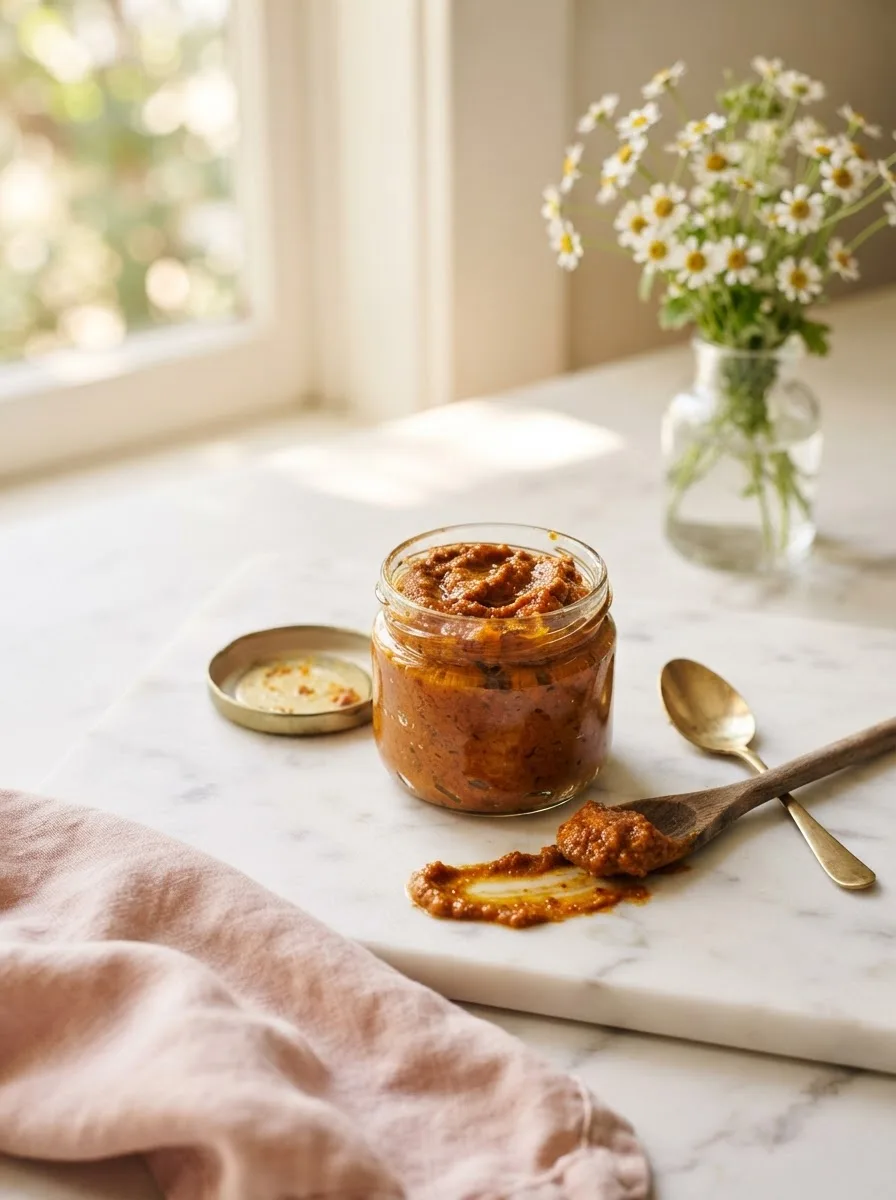
The result is a paste that pulls double duty. Smear it on chicken with a little yogurt and you’ve got a marinade for chicken tikka. Thin it with cream and tomatoes and you’ve got the base for a weeknight tikka masala. Once you’ve made this once, you’ll understand why so many curry recipes start with a spoonful of something exactly like this.
★★★★★ “I’ve made curry from scratch maybe twice in my life and always chickened out and bought the jar. This tikka paste recipe actually walked me through it — my chicken tikka tasted like the restaurant down the street, not like a sad attempt.” — Priya R., recipe tester (pre-launch)
Why You’ll Love This Tikka Paste
- It replaces the jar for good: Once you taste the smoky depth from cooking the spices in oil, the store-bought stuff tastes flat by comparison — and you’ll never go back.
- It’s a two-in-one base: Use it straight as a chicken tikka paste marinade, or thin it into a full tikka masala sauce with tomatoes and cream.
- It keeps for weeks, not days: Because the raw garlic and ginger get cooked into the paste, it holds in the fridge far longer than a fresh chutney-style blend.
- No specialty trip required: Every spice here is a standard rack item at most grocery stores — no trip to a specialty shop needed.
Key Ingredients for This Tikka Curry Paste Recipe
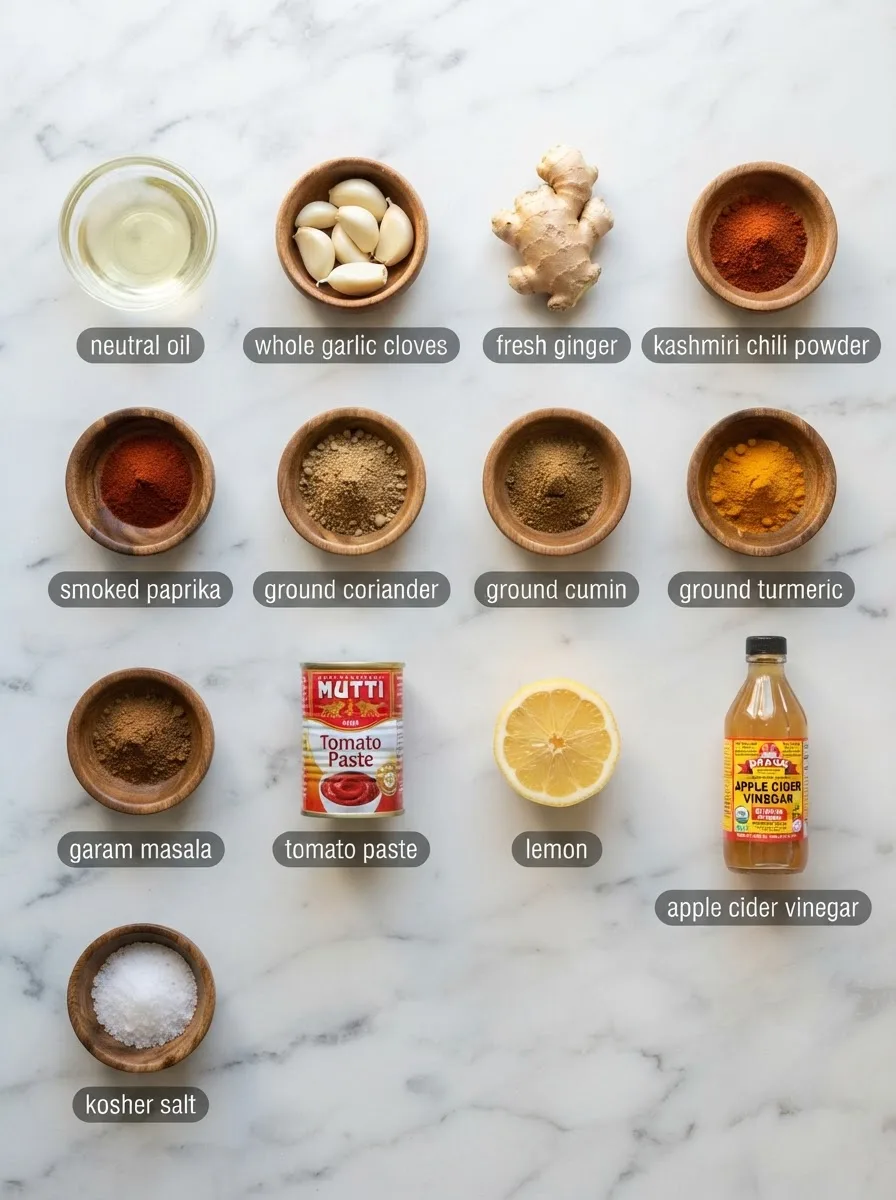
Kashmiri chili powder (3 tablespoons). This is the ingredient doing the heavy lifting for color, not heat — Kashmiri chili is mild but deeply red, which is why restaurant tikka looks so vivid without tasting like a five-alarm fire. Regular chili powder works in a pinch, but cut the amount by half and add a little extra paprika for the color back.
Smoked paprika (1 tablespoon). This is the closest a home stove gets to tandoor char. Regular paprika will still taste good, but you’ll lose that faint campfire note that makes this taste like it came off charcoal.
Fresh garlic and ginger (8 cloves, 2-inch piece). Blended raw, then cooked into the paste, these two build the backbone of the flavor. Don’t swap in jarred garlic paste here — the water content throws off how the paste cooks down in the skillet.
Tomato paste (3 tablespoons). Not tomato sauce, not passata — the concentrated stuff. It adds body and a touch of sweetness that balances the chili without adding a lot of liquid you’d have to cook off.
Lemon juice and apple cider vinegar. The acid brightens everything else and is also what makes this paste keep well in the fridge for weeks instead of days.
Ingredient Note: Kashmiri chili powder is sold at most South Asian grocers and increasingly on the international aisle of larger supermarkets. If you truly cannot find it, use 2 tablespoons sweet paprika plus ½ teaspoon cayenne — you’ll get most of the color and a milder heat.
Equipment You’ll Need
- Food processor or high-powered blender — this is what turns whole garlic and ginger into a smooth paste. A mortar and pestle works too, but expect to spend closer to 15 minutes of hand-pounding.
- Small nonstick or stainless skillet — for blooming the paste in oil. Cast iron works, but the paste can stick more, so keep the heat lower.
- Rubber spatula — for scraping every bit of paste out of the processor bowl; this stuff is too good to waste.
- Small glass jar with a tight lid — for storage. A clean 8-ounce jam jar is exactly the right size for one batch.
Controlling the Heat Level (A Controlled Test)
The single biggest variable in any homemade tikka paste is the chili ratio — get it wrong and you either end up with something bland enough to be ketchup, or something so hot it overwhelms the smoke and garlic underneath. I tested three chili ratios back to back, changing nothing else, to find the version that actually tastes balanced.
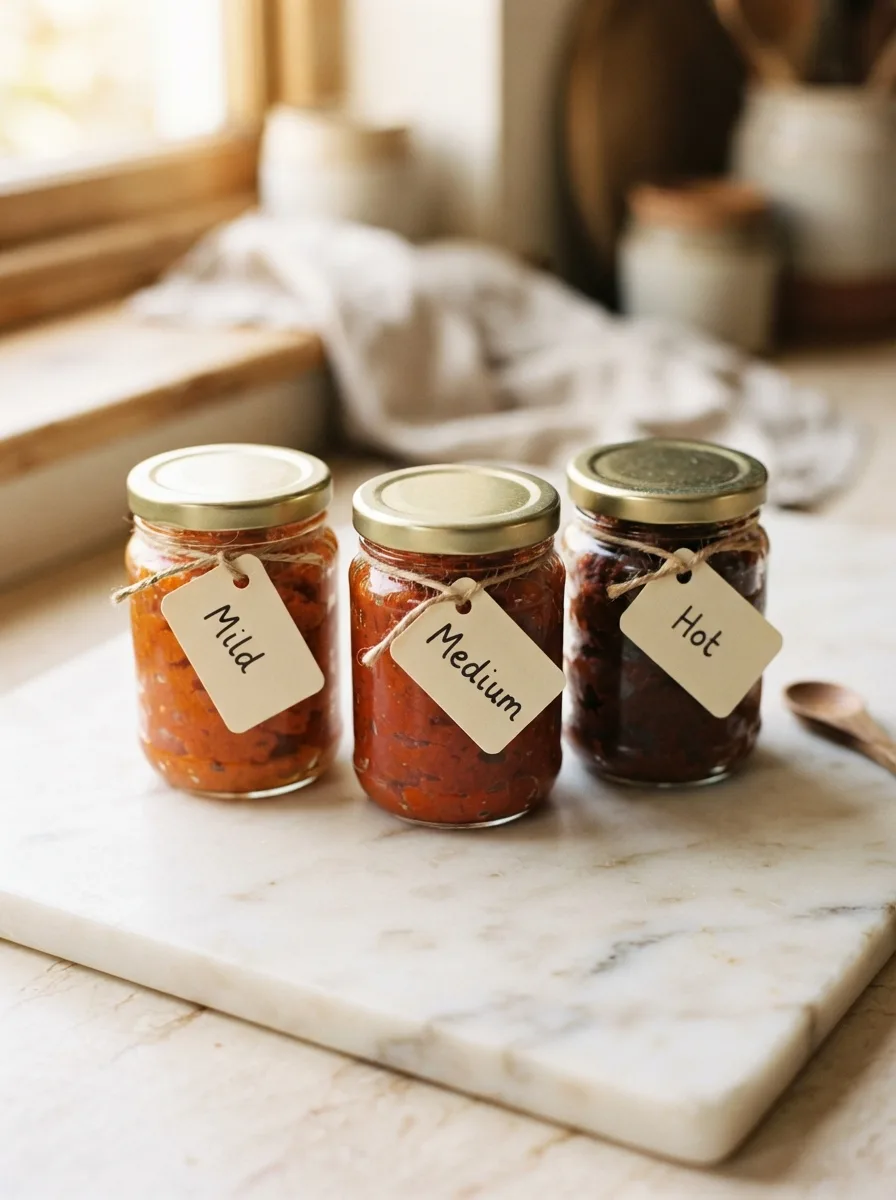
2 tablespoons Kashmiri chili (Mild): Pleasant but a little flat. Good for kids or very heat-sensitive eaters, but most tasters said it needed “something more.”
3 tablespoons Kashmiri chili + no cayenne (Medium — the recipe below): This is the version that won. Warm, noticeably spiced, but no one at the table reached for water.
3 tablespoons Kashmiri chili + ½ teaspoon cayenne (Hot): A real kick that builds after the second bite. Great if you’re using this for a fiery vindaloo-style dish, but it started to mask the smoked paprika.
The takeaway: the recipe card below uses the medium version. If you like real heat, stir in the cayenne — but add it a quarter teaspoon at a time and taste as you go, since it builds more than you’d expect once the paste cooks down.
How to Make Tikka Paste
Before you start: Peel your garlic and ginger ahead of time so the blending goes quickly, and have your jar washed and dried and ready to fill.
Step 1 — Blend the aromatics
Add the peeled garlic cloves, chopped ginger, and oil to a food processor. Pulse until you get a rough, wet paste — it doesn’t need to be perfectly smooth yet, just broken down enough that no whole pieces of garlic remain.
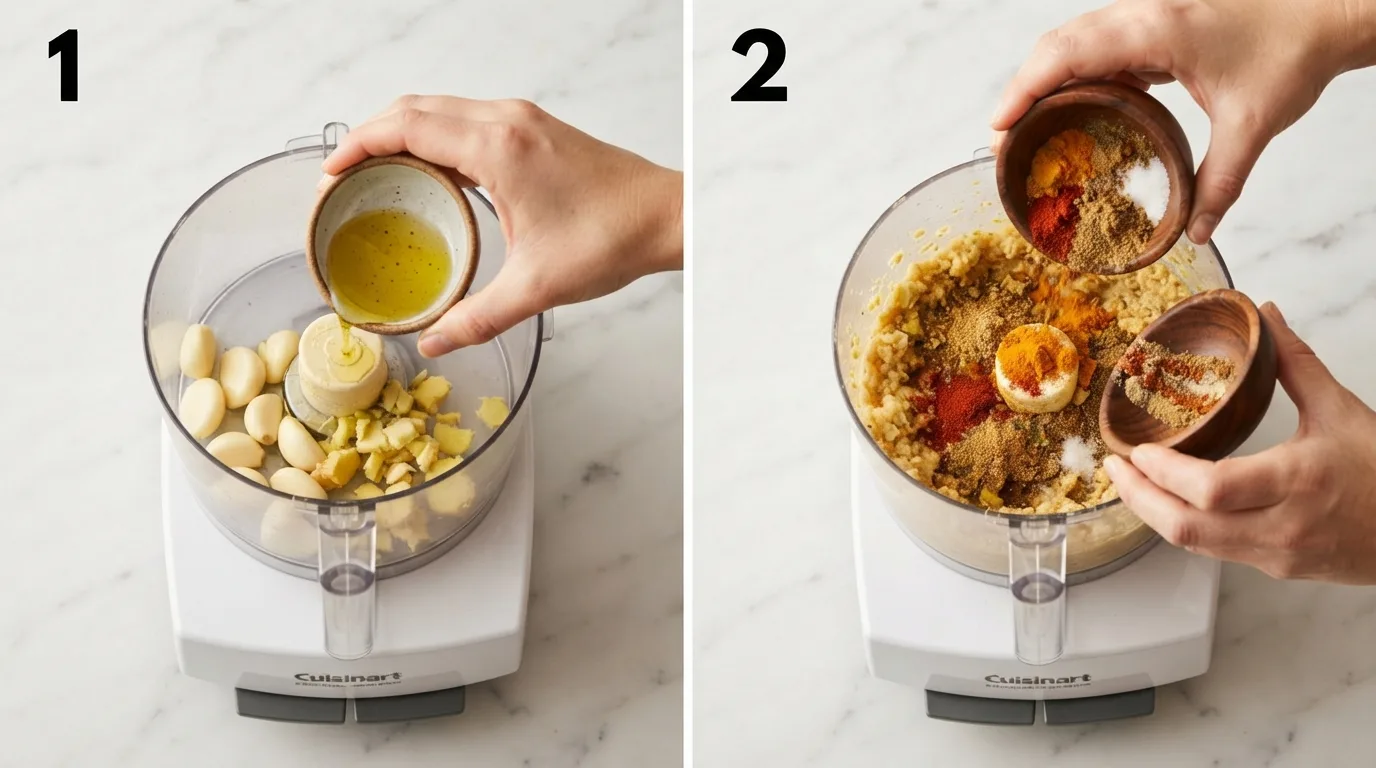
Step 2 — Add the spices
Add the Kashmiri chili powder, smoked paprika, ground coriander, cumin, turmeric, and garam masala directly on top of the garlic-ginger paste. Pulse again until the spices are fully incorporated and you no longer see any dry streaks.
Step 3 — Add the acid and tomato paste
Add the tomato paste, lemon juice, apple cider vinegar, and salt. Blend on high until the mixture is completely smooth, scraping down the sides once with a rubber spatula. If it’s too thick to blend easily, add water one tablespoon at a time — you’re looking for a texture like thick ketchup, not a runny sauce.
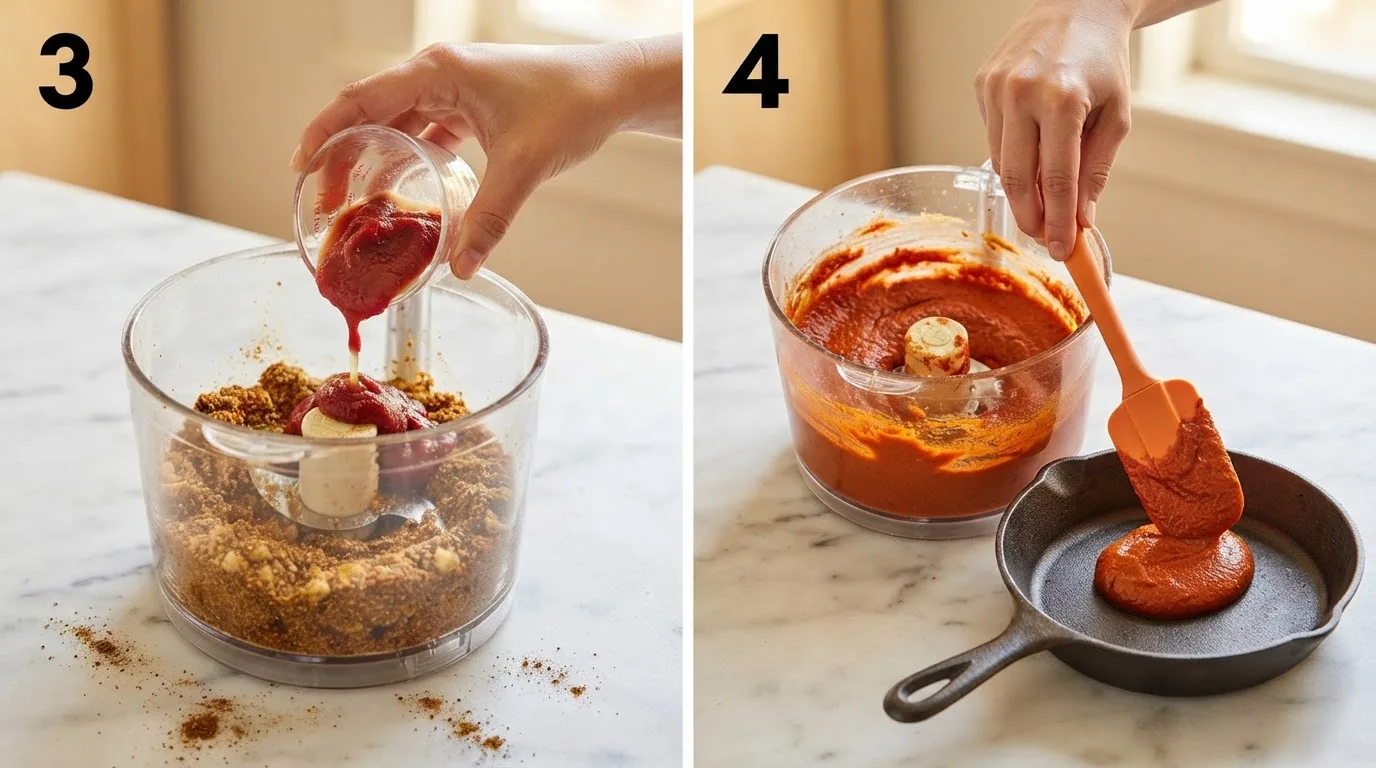
Step 4 — Bloom the paste in a skillet
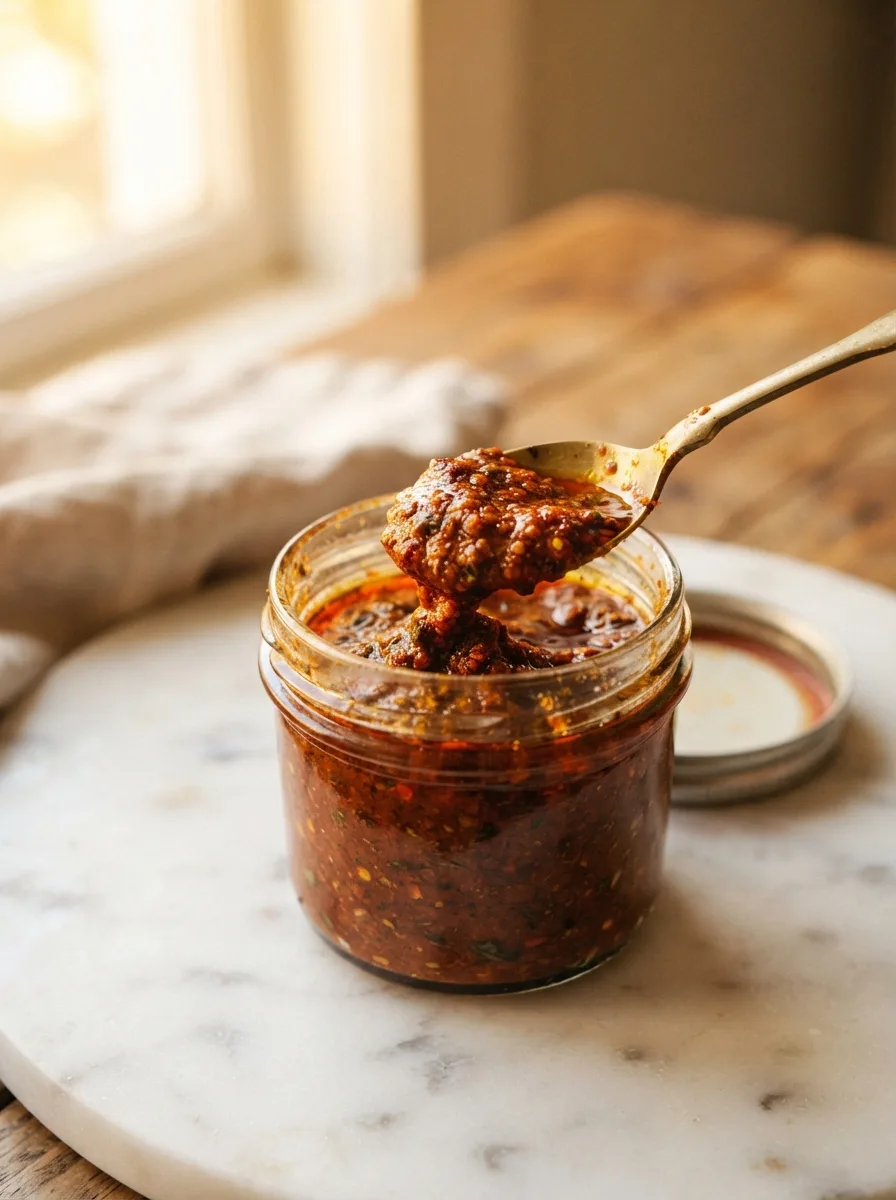
This is the step most homemade tikka paste recipes skip, and it’s the one that makes the biggest difference. Transfer the paste to a skillet over medium-low heat. Cook, stirring constantly, for 5 to 7 minutes. You’ll know it’s ready when the raw, sharp garlic smell fades into something warmer and toastier, and the paste darkens by a shade — from bright rust-orange to a deeper brick red. The oil may separate slightly at the edges; that’s normal and a good sign the spices have properly bloomed.
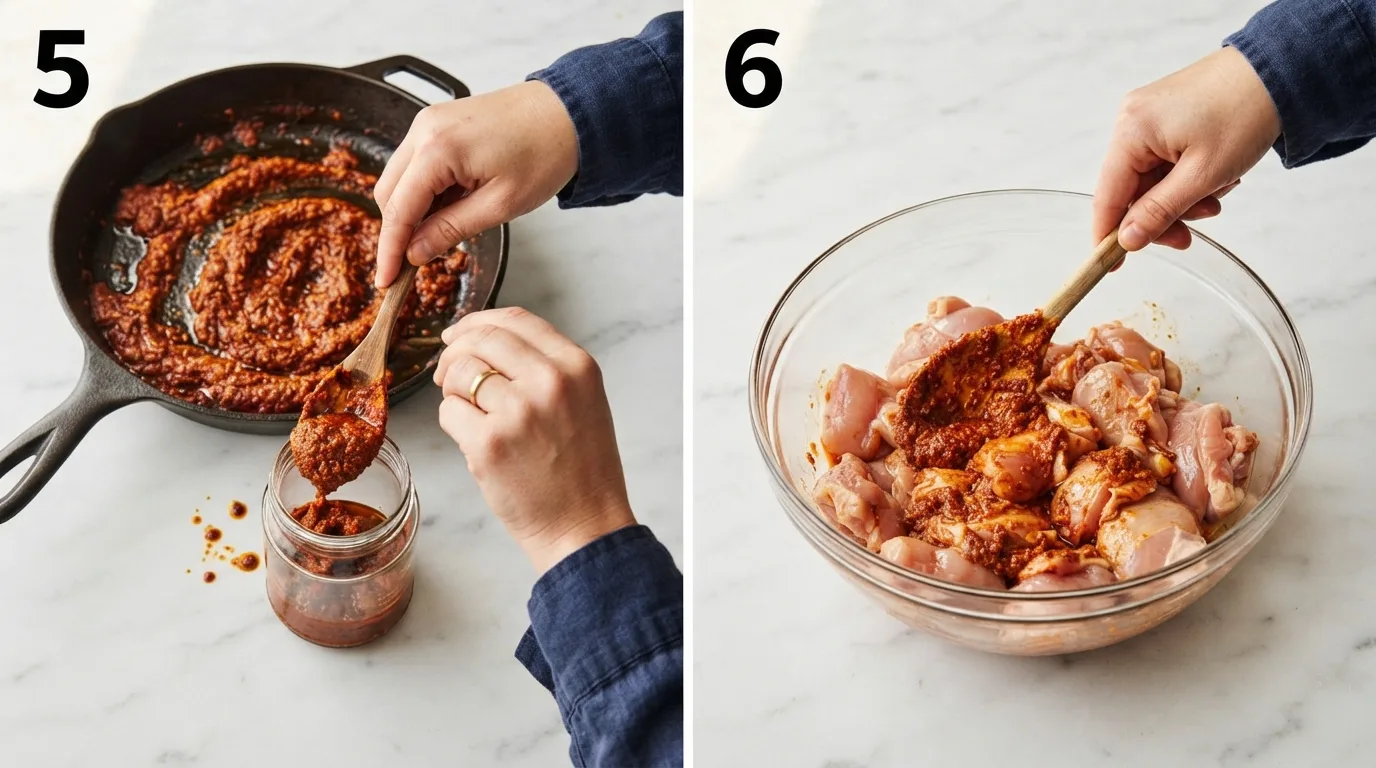
Step 5 — Cool and jar it
Remove the skillet from the heat and let the paste cool completely at room temperature, about 20 minutes. Transfer it to your clean glass jar, pressing it down with the back of a spoon to remove any air pockets, then seal.
Pro Tips for Perfect Tikka Paste
Tip 1: Don’t skip the skillet step. Blended-but-uncooked tikka paste tastes sharp and raw, no matter how good your spices are. Five minutes of cooking is what makes it taste like it’s been simmering all afternoon.
Tip 2: Kashmiri chili is about color, not just heat. If your paste looks pale or brownish instead of a deep rust-red, you likely need more Kashmiri chili, not more cayenne — the color is a genuine flavor cue here, not just aesthetics.
Tip 3: Freeze it in an ice cube tray. Once cooled, spoon the paste into an ice cube tray, freeze until solid, then pop the cubes into a freezer bag. Each cube is about a tablespoon — perfect for portioning into a single marinade or sauce without thawing the whole jar.
Tip 4: Taste before you add salt. Tomato paste brands vary in sodium, and Kashmiri chili can be salty depending on the brand. Add the full 1½ teaspoons, taste, and adjust from there rather than committing to the full amount up front.
Variations and Substitutions
How to Make a Tikka Sauce From This Paste
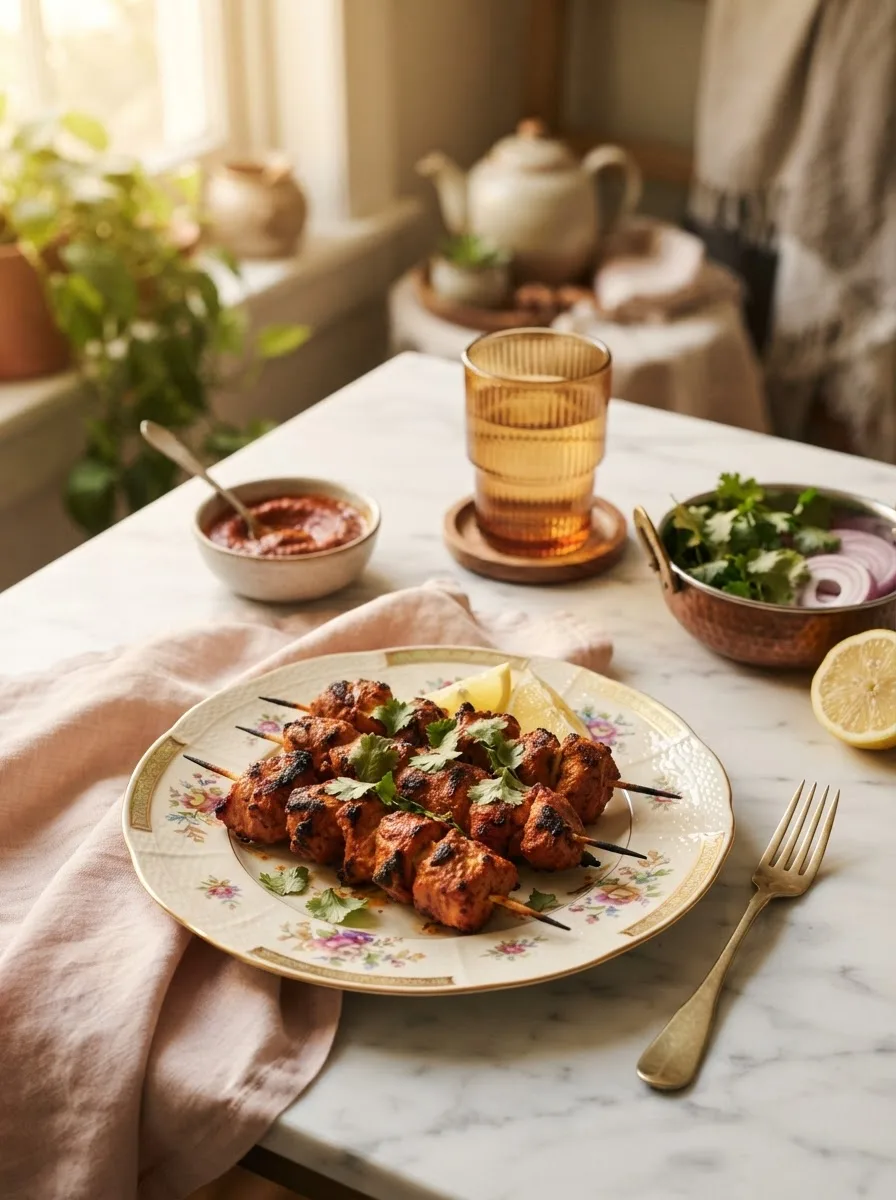
If you want a full tikka masala sauce rather than a marinade, this paste is your shortcut. Warm 2 tablespoons of oil in a pan, stir in 3 to 4 tablespoons of the tikka paste, and cook for a minute until fragrant. Add a 14-ounce can of crushed tomatoes and simmer for 10 minutes, then stir in ¼ cup heavy cream or full-fat coconut milk and simmer another 5 minutes. That’s genuinely how to make a tikka sauce with almost no extra ingredients — the paste is doing all the work the long ingredient list usually does.
Use It as a Chicken Tikka Paste Marinade
For chicken tikka, whisk 3 tablespoons of the paste with ½ cup plain full-fat yogurt and marinate cubed chicken thighs for at least 2 hours, or overnight for the best flavor. Skewer and grill or broil until charred at the edges.
Dietary Variations:
- Dairy-free tikka masala: Use full-fat coconut milk instead of cream in the sauce version above — it thickens similarly and adds a mild sweetness that pairs well with the smoked paprika.
- Lower-oil version: Cut the oil to 3 tablespoons and add a splash of water when blooming the paste in the skillet. The flavor stays close, but the paste will separate more in storage — just stir before each use.
Flavor Variations:
- Extra smoky: Add ½ teaspoon ground fennel and use double-smoked paprika if your grocery store carries it — this pushes the paste closer to a proper tandoor flavor.
Ingredient Substitutions:
- No fresh ginger? Use 1 teaspoon ground ginger, added with the other dry spices, though the flavor will be slightly less bright.
- No food processor? A blender works, but you may need an extra splash of oil to help it catch the garlic and ginger fully.
If you like building your own spice bases from scratch, my jamaican jerk seasoning follows the same blend-and-bloom logic, just with a completely different flavor direction — allspice and scotch bonnet instead of chili and cumin.
Troubleshooting
My paste tastes bitter or overly sharp — what happened?
This almost always means the paste wasn’t cooked long enough in the skillet. Raw garlic and uncooked spices taste sharp and slightly bitter. Give it another 2 to 3 minutes over medium-low heat, stirring constantly, until the smell mellows.
The paste won’t blend — it’s too thick and keeps stalling the processor.
Add water one tablespoon at a time, pulsing between additions, until the blades can move freely. This is more common with drier or older ground spices, which absorb more moisture than fresh ones.
My jarred paste separated, with oil pooling on top after a few days in the fridge.
This is normal, not spoilage. The oil naturally rises as the paste sits. Just stir it back in with a clean spoon before each use. If it smells off or has any mold, that’s different — discard it.
Storage and Make-Ahead
Counter: Not recommended. Because the paste contains raw-blended garlic and ginger (even after cooking, some retains moisture), it should always be refrigerated.
Refrigerator: Store in a clean, airtight glass jar for up to 3 weeks. Stir before each use if the oil has separated.
Freeze: Portion into an ice cube tray, freeze until solid, then transfer cubes to a freezer bag. Keeps for up to 6 months. Thaw a cube in the fridge overnight or add it directly to a warm pan.
Reheating: No reheating needed for marinade use — just bring the paste to room temperature for easier mixing with yogurt. For sauce use, it heats naturally as you cook it into the tomatoes.
Make-Ahead: This paste is entirely a make-ahead ingredient by design. Make a double batch on a Sunday and you’ll have marinade and sauce base ready for two or three weeknight meals.
Frequently Asked Questions
Q: Is tikka paste the same thing as curry paste? A: Not exactly. Tikka paste is a specific style of curry paste built around Kashmiri chili, smoked paprika, and a tandoor-style char flavor, while “curry paste” is a broader term that can mean many different spice blends depending on the region.
Q: How do I make a tikka sauce instead of using this as a marinade? A: Cook 3 to 4 tablespoons of the paste in oil for a minute, add a can of crushed tomatoes, simmer 10 minutes, then stir in cream or coconut milk and simmer 5 more minutes. Full details are in the Variations section above.
Q: Can I use this as a chicken tikka paste marinade without yogurt? A: You can, but yogurt does real work here — its acidity tenderizes the chicken and helps the paste cling evenly. Without it, use a tablespoon of oil per 3 tablespoons of paste instead, and expect a slightly less tender result.
Q: I’ve seen this searched as “tikka masala currypasta” — is that the same recipe? A: Yes. That’s simply a regional or translated way of searching for the same thing — a concentrated tikka masala curry paste. This recipe works for that exact use case.
Q: How spicy is this chicken tikka paste recipe? A: The recipe card below is a medium heat level based on my controlled test above. For a milder paste, drop the Kashmiri chili to 2 tablespoons. For more heat, add cayenne in ¼ teaspoon increments.
Q: Can I double this tikka curry paste recipe? A: Yes, and I’d recommend it. Double every ingredient exactly, and increase the skillet cooking time by about 2 minutes since there’s more volume to bloom evenly.
Q: Does this tikka paste recipe work without a food processor? A: A blender works with a little extra oil to help it catch, and a mortar and pestle works too, though it takes considerably more effort to fully break down the garlic and ginger.
More Recipes You’ll Love
- Jamaican Roti — soft, flaky flatbread that’s perfect for scooping up any curry, including a batch of tikka masala made from this paste
- Jamaican Jerk Seasoning — another from-scratch spice base built with the same blend-and-bloom technique, just with a completely different flavor profile
- Jamaican Stew Pork Recipe — if you love building deep flavor from a spice paste, this braised pork uses a similar foundation
- Parsnip and Leek Soup — a cozy, mild counterpoint if you want something to balance out a spicy tikka dinner
Foolproof Tikka Paste (Tested 4 Times)
Ingredients
For the Tikka Paste:
- 1/3 cup neutral oil (such as avocado or vegetable oil)
- 8 clove garlic, peeled
- 2 -inch piece fresh ginger, peeled and chopped
- 3 tablespoon Kashmiri chili powder
- 1 tablespoon smoked paprika
- 2 tablespoon ground coriander
- 1 tablespoon ground cumin
- 1 teaspoon ground turmeric
- 1 tablespoon garam masala
- 3 tablespoon tomato paste
- 2 tablespoon fresh lemon juice
- 1 tablespoon apple cider vinegar
- 1 1/2 teaspoon kosher salt
- 2 –3 tablespoons water, as needed
Instructions
- Add the oil, garlic, and ginger to a food processor. Pulse until a rough, wet paste forms with no large pieces remaining.
- Add the Kashmiri chili powder, smoked paprika, ground coriander, cumin, turmeric, and garam masala. Pulse until fully incorporated with no dry streaks.
- Add the tomato paste, lemon juice, apple cider vinegar, and salt. Blend until completely smooth, adding water 1 tablespoon at a time if the mixture is too thick to blend.
- Transfer the paste to a skillet over medium-low heat. Cook, stirring constantly, for 5 to 7 minutes, until the raw garlic smell fades and the paste darkens by a shade.
- Remove from heat and let cool completely at room temperature, about 20 minutes.
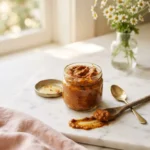
- Transfer to a clean glass jar, pressing down to remove air pockets, and seal tightly.
Notes
- For a milder paste, reduce Kashmiri chili powder to 2 tablespoons. For more heat, add cayenne in ¼ teaspoon increments after tasting.
- Store in the refrigerator for up to 3 weeks, or freeze in an ice cube tray for up to 6 months.
- To use as a chicken tikka marinade, whisk 3 tablespoons of paste with ½ cup plain yogurt per pound of chicken; marinate at least 2 hours.
- To turn into a tikka sauce, cook 3–4 tablespoons of paste in oil for 1 minute, add a 14-ounce can of crushed tomatoes, simmer 10 minutes, then stir in ¼ cup cream or coconut milk.
- No food processor? A blender works with a splash of extra oil; a mortar and pestle works but requires more effort to fully break down the garlic and ginger.
- If the oil separates in the jar after storage, stir before using — this is normal and not a sign of spoilage.
- Double the recipe exactly if making a larger batch, and add roughly 2 extra minutes to the skillet cooking time.
- Weigh or measure the garlic and ginger after peeling and chopping, not before, for the most consistent results batch to batch.