recipe pink salt trick (Tested & Explained)

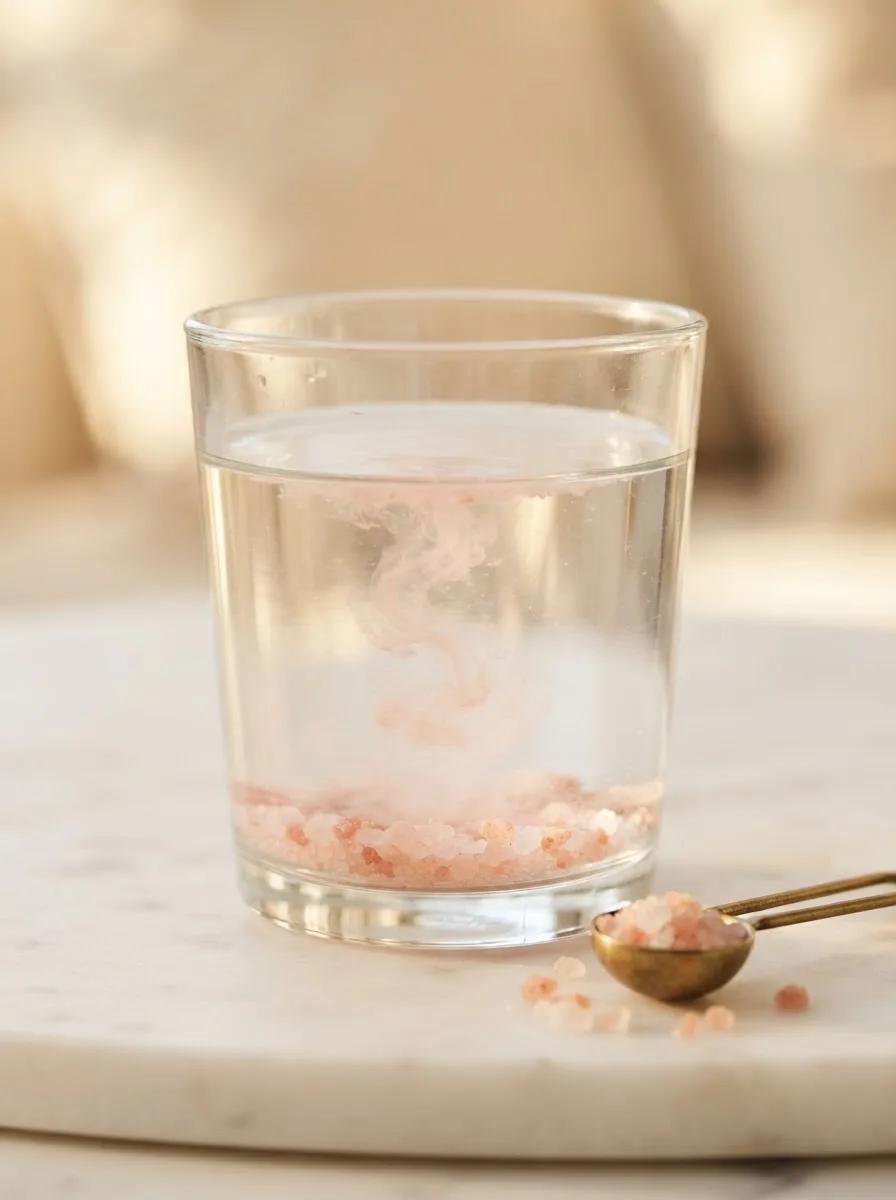
If you’ve spent any time on TikTok this year, you’ve probably seen the recipe pink salt trick scroll past at least once — a glass of faintly pink-tinted water, someone swearing it curbed their appetite or gave them an energy boost they’d been missing. I saw it enough times that I finally sat down and asked the obvious question: what are the ingredients for the pink salt trick, actually, and does mixing them together do anything at all? So I tested it. Four times, with different salt ratios, different water temperatures, and one genuinely unpleasant mistake I don’t recommend repeating.
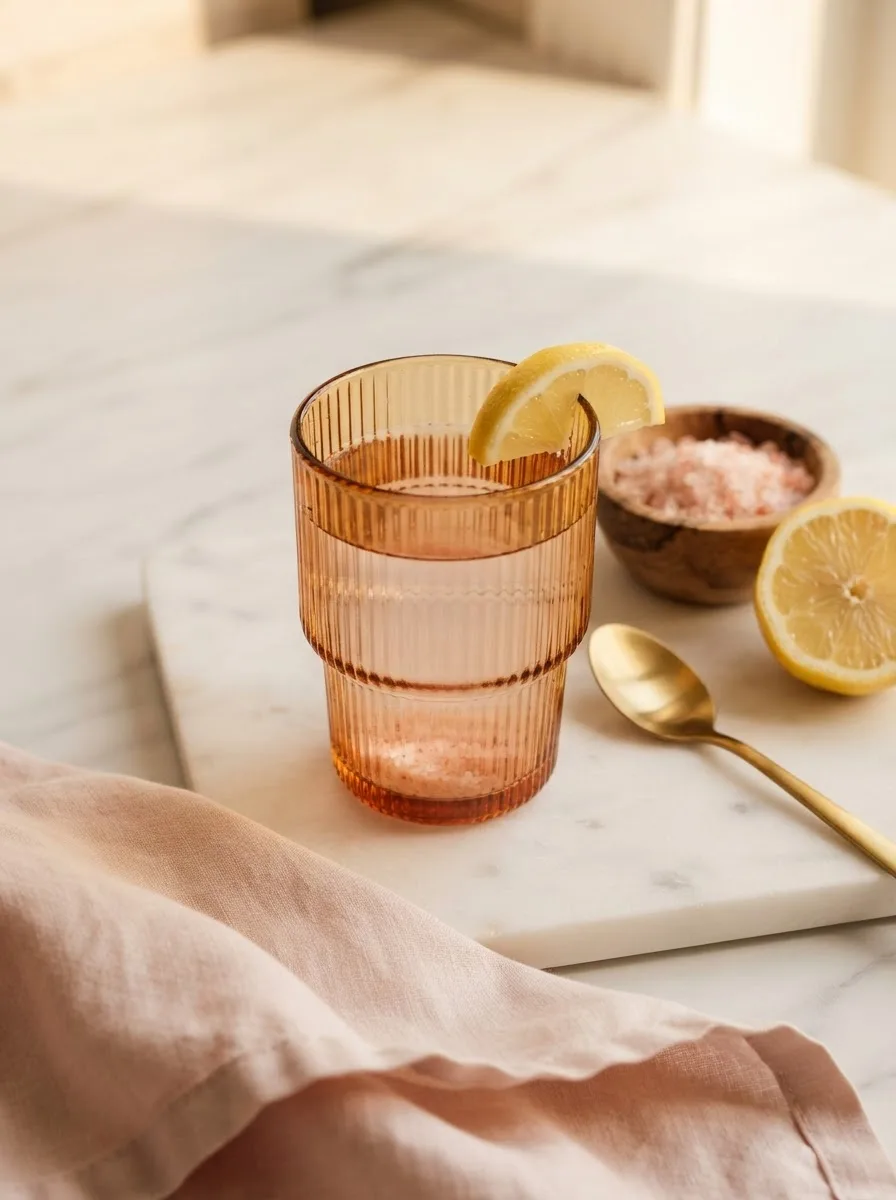
I’m not a nutritionist, and I’m not going to stand here and tell you this cured anything. What I can tell you, honestly, is what’s in the ingredients in the pink salt trick, exactly how to mix it so it doesn’t taste like seawater, and whether the himalayan salt trick recipe version everyone’s sharing is worth the five minutes it takes to make.
What actually surprised me was the lemon. Skip it, and the drink tastes exactly like you’d expect — salty water, full stop. Get the ratio right, and it tastes closer to a mild electrolyte drink than anything unpleasant. That gap between “bad idea” and “actually drinkable” is basically the whole recipe.
★★★★★ “I’d tried the pink salt trick from a video and it tasted awful. Emily’s ratio with the lemon actually made it something I don’t dread drinking.” — Marissa T., recipe tester (pre-launch)
Why You’ll Love This recipe pink salt trick
- It’s honest, not hyped: No mystery superfoods, no miracle claims — just the exact ratio that tastes the least like ocean water while still matching what the viral recipe actually calls for.
- Ready in three minutes: No cooking, no special equipment, no waiting for anything to steep.
- Cheap: A jar of pink Himalayan salt and a lemon will make this drink for weeks.
- Adjustable to your taste: Once you know the base ratio, you can dial the salt up or down without guessing.
Key Ingredients for the Pink Salt Trick
Here’s a full, honest breakdown of the ingredients in the pink salt trick, plus why each one earns its place in the glass — because “what are the ingredients for the pink salt trick” is the question I get asked more than any other.
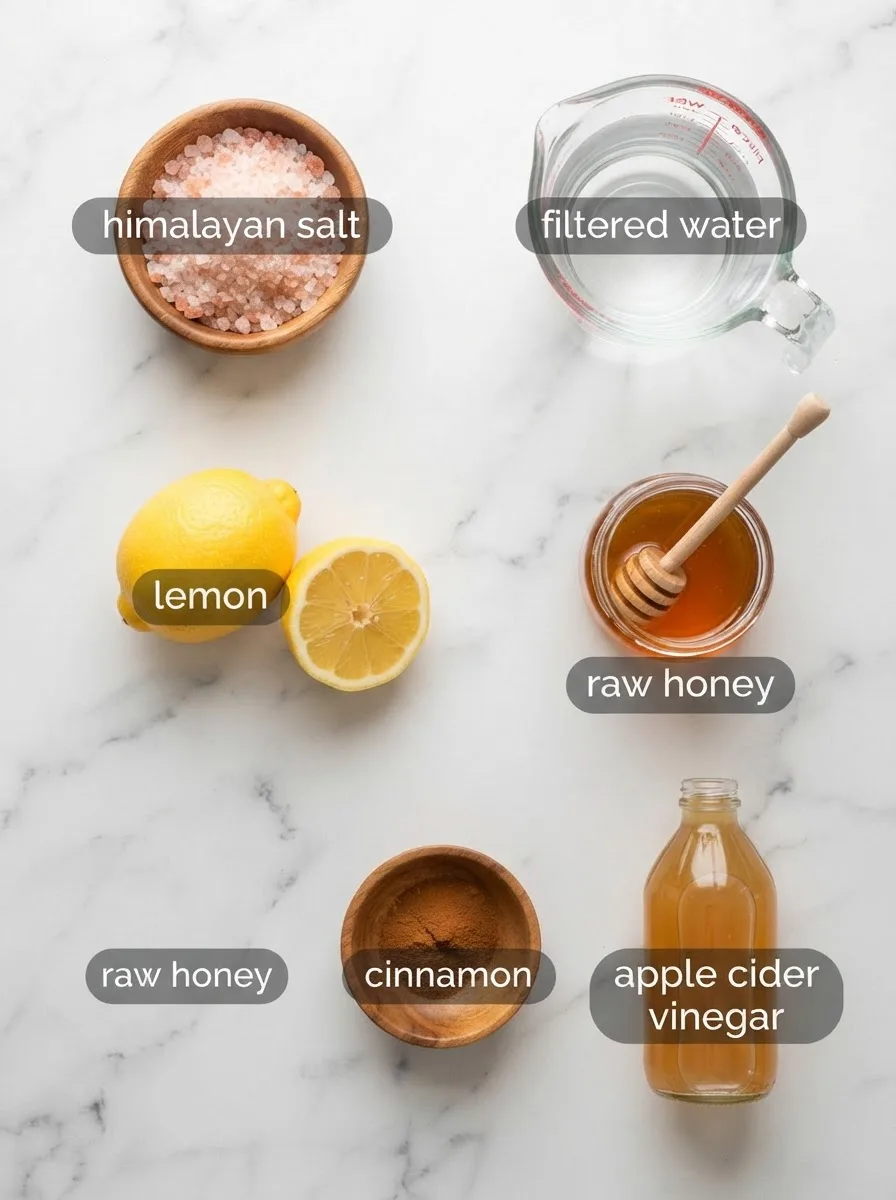
Pink Himalayan salt (½ teaspoon). This is the ingredient the entire trend is named for, and it’s not interchangeable with table salt. Himalayan salt is less processed and contains trace minerals that give it a faint pink color — table salt is stripped of those minerals and iodized, which changes both the taste and, according to proponents of this himalayan salt trick recipe, the intended effect. I can’t verify the mineral claims, but I can tell you the flavor difference is real: table salt tastes sharper and more one-note.
Filtered water (8 oz), slightly warm. Warm water dissolves salt faster and more completely than cold water — you’ll actually feel the difference if you try both. Cold water works, but you’ll be stirring for a full minute longer to avoid gritty undissolved salt at the bottom of the glass.
Fresh lemon juice (1 tablespoon). This is the ingredient most versions of the recipe skip, and it’s the one I’d never skip. The acidity cuts through the flatness of plain salt water and gives the drink an actual flavor instead of just a mineral aftertaste.
Raw honey (¼ teaspoon, optional). Adds a small amount of sweetness to soften the saltiness further. Skip it if you want the drink completely sugar-free — the recipe works fine without it.
Ground cinnamon (a pinch, optional) and apple cider vinegar (1 teaspoon, optional). Both show up in different versions of this trend across social media. Neither is essential to the base recipe, but I tested both and included notes on what they actually change in the Variations section below.
Ingredient Note: This himalayan pink salt trick recipe only works as intended if you actually use pink Himalayan salt — not sea salt, not kosher salt, not table salt. The color, the mineral content, and the flavor all come from that one specific ingredient. Swapping it changes the entire point of the recipe.
Equipment You’ll Need
- A glass or small mason jar — anything you can stir in comfortably. No blender or shaker needed.
- Measuring spoons — precision matters more than you’d think here; eyeballing the salt is the #1 cause of an undrinkable batch.
- A citrus juicer (optional) — a fork works fine if you don’t own one; you just need the juice, not perfectly extracted juice.
- A long spoon — for stirring the salt fully into the water before adding anything else.
Controlling the Salt-to-Water Ratio (A Controlled Test)
The single most important variable in this recipe is the salt-to-water ratio. Too little, and you’re basically drinking flavored water with no real effect on taste. Too much, and it’s genuinely hard to finish the glass.
I tested four ratios of pink Himalayan salt to 8 oz of water: ¼ teaspoon, ½ teaspoon, ¾ teaspoon, and 1 teaspoon — keeping the lemon juice constant at 1 tablespoon across all four so I was only changing one variable at a time.
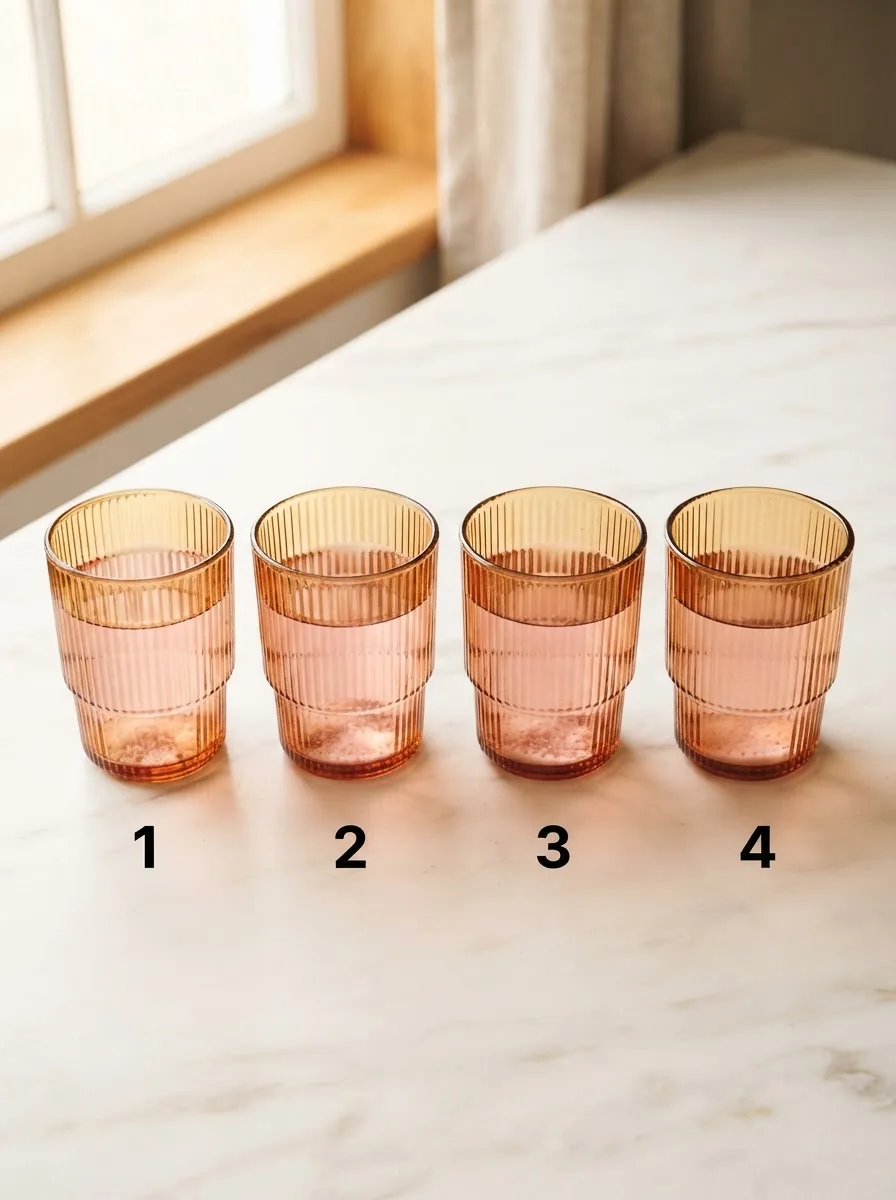
¼ teaspoon: Barely noticeable. Tastes like water with a whisper of lemon. If you’re new to this trend and worried about the taste, this is the safest starting point — but it’s also the version most likely to feel like it’s “not doing anything.”
½ teaspoon: This is the ratio I landed on. Noticeably mineral-forward without being hard to drink, especially with the lemon balancing it. This is the version in the recipe card below.
¾ teaspoon: Drinkable, but it took real effort by the second half of the glass. If you’ve built up a tolerance over a few weeks, this might be your version — I wouldn’t start here.
1 teaspoon: This was the mistake I mentioned earlier. Unpleasantly salty, borderline hard to finish, and it left an aftertaste that lingered for a while. I don’t recommend starting at this ratio under any circumstance.
The takeaway: ½ teaspoon per 8 oz of water is the sweet spot for taste. If you’re chasing a stronger version, work up to it gradually rather than starting there.
How to Make the Pink Salt Trick Recipe
Before you start: Use filtered or spring water if you have it — tap water works, but chlorine taste tends to compete with the lemon. Have your lemon juiced and your salt measured before you start stirring; it goes faster if everything’s ready.
Step 1 — Warm the water slightly
Warm 8 oz of filtered water until it’s just past room temperature — think lukewarm, not hot. You’re not trying to heat it up for any flavor reason; warm water simply dissolves salt faster and more completely than cold water does.
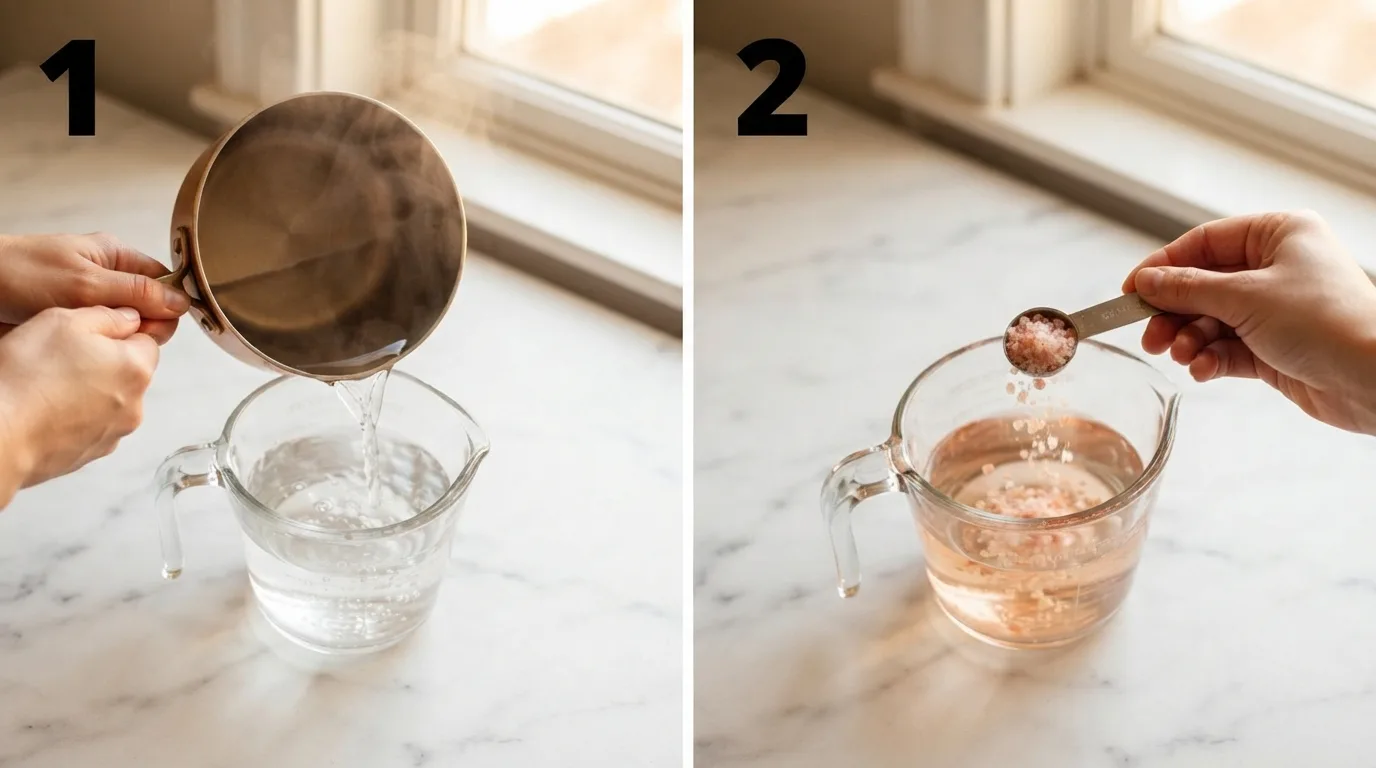
Step 2 — Dissolve the salt completely
Add the ½ teaspoon of pink Himalayan salt to the warm water and stir steadily for about 30–45 seconds. You’ll know it’s ready when the water runs clear with no visible grit at the bottom of the glass — if you still see undissolved crystals, keep stirring rather than moving on.
Step 3 — Add the fresh lemon juice
Stir in 1 tablespoon of fresh lemon juice. This is the step that makes the biggest difference to how the finished drink actually tastes — don’t skip it even if the version you saw online didn’t include it.
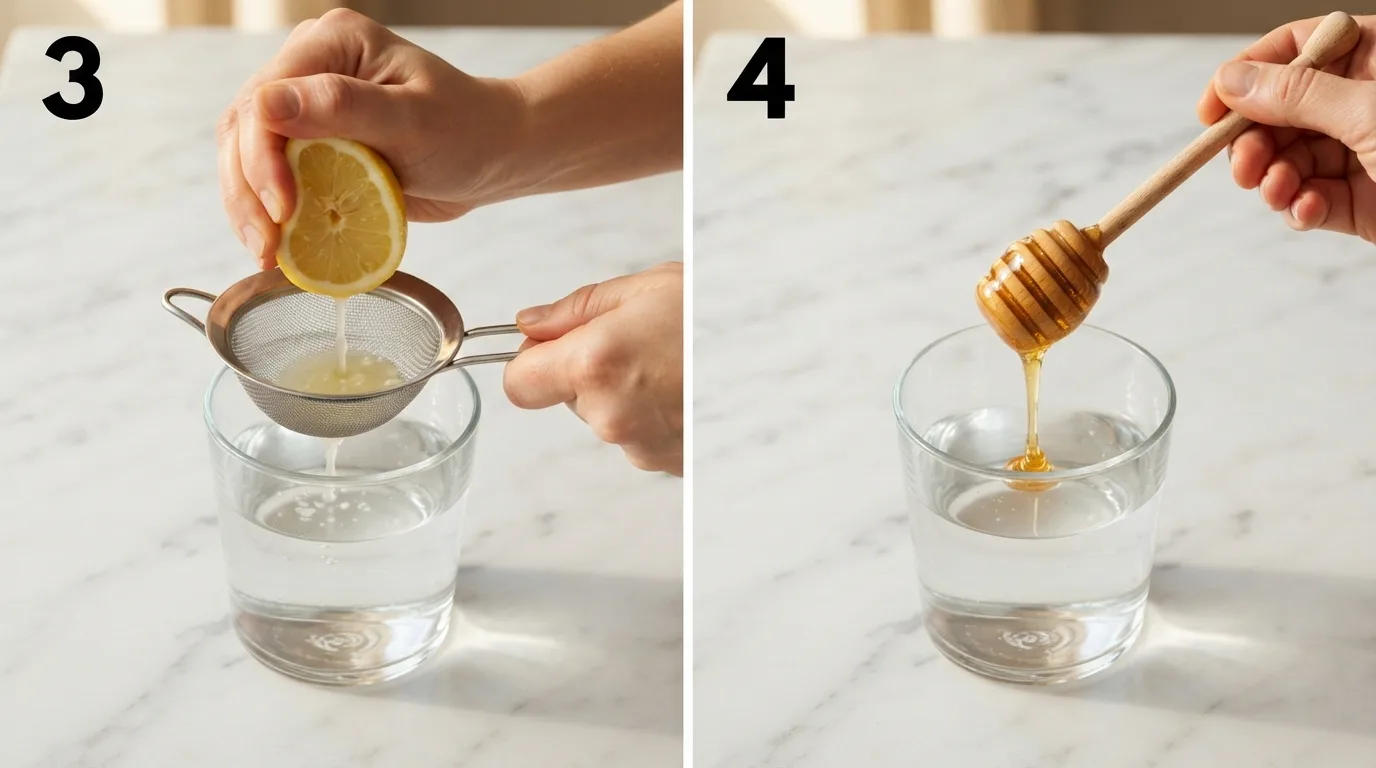
Step 4 — Add any optional mix-ins
If you’re using honey, cinnamon, or apple cider vinegar, add them now — a ¼ teaspoon of honey, a pinch of cinnamon, or 1 teaspoon of apple cider vinegar. You can use one, all three, or none; each is independent of the others and none is required for the base recipe to work.
Step 5 — Stir thoroughly one more time
Give the whole glass a final stir to make sure everything is evenly distributed — salt tends to settle slightly if it sits even for a minute, so this step keeps every sip consistent rather than getting saltier toward the bottom.
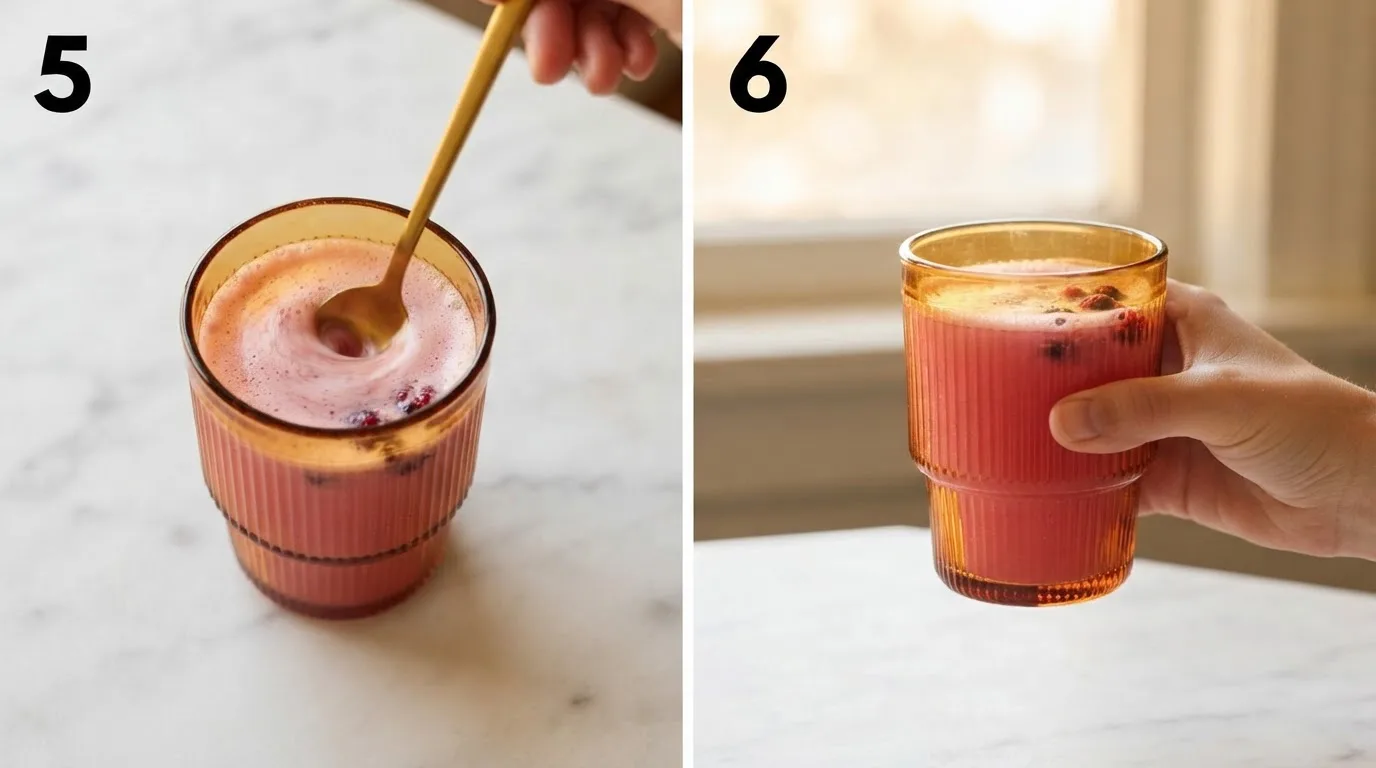
Step 6 — Drink it at the right time
Most versions of this trend recommend drinking it first thing in the morning, before food or coffee, on an empty stomach. I can’t tell you that timing changes anything scientifically — I can tell you it’s the version I tested and the one most people online report drinking, so it’s what I’d follow if you’re trying this yourself.
Pro Tips for Perfect Pink Salt Trick Recipe
Tip 1: Warm water is not optional if you want a smooth texture. Cold water leaves undissolved salt behind more often than you’d expect, and gritty salt at the bottom of the glass is the single biggest complaint I saw when researching this recipe.
Tip 2: Measure the salt — don’t eyeball it. A “heaping” half teaspoon and a level half teaspoon are noticeably different amounts of sodium in a small glass of water. Use a proper measuring spoon, leveled off.
Tip 3: Start at ¼ teaspoon if you’re salt-sensitive. You can always work up to ½ teaspoon over a few days. There’s no reason to start at the strongest version and force yourself through it.
Tip 4: Fresh lemon juice, not bottled. Bottled lemon juice has a flatter, slightly bitter aftertaste that becomes obvious against the saltiness. Fresh costs you thirty extra seconds and tastes noticeably better.
Variations and Substitutions
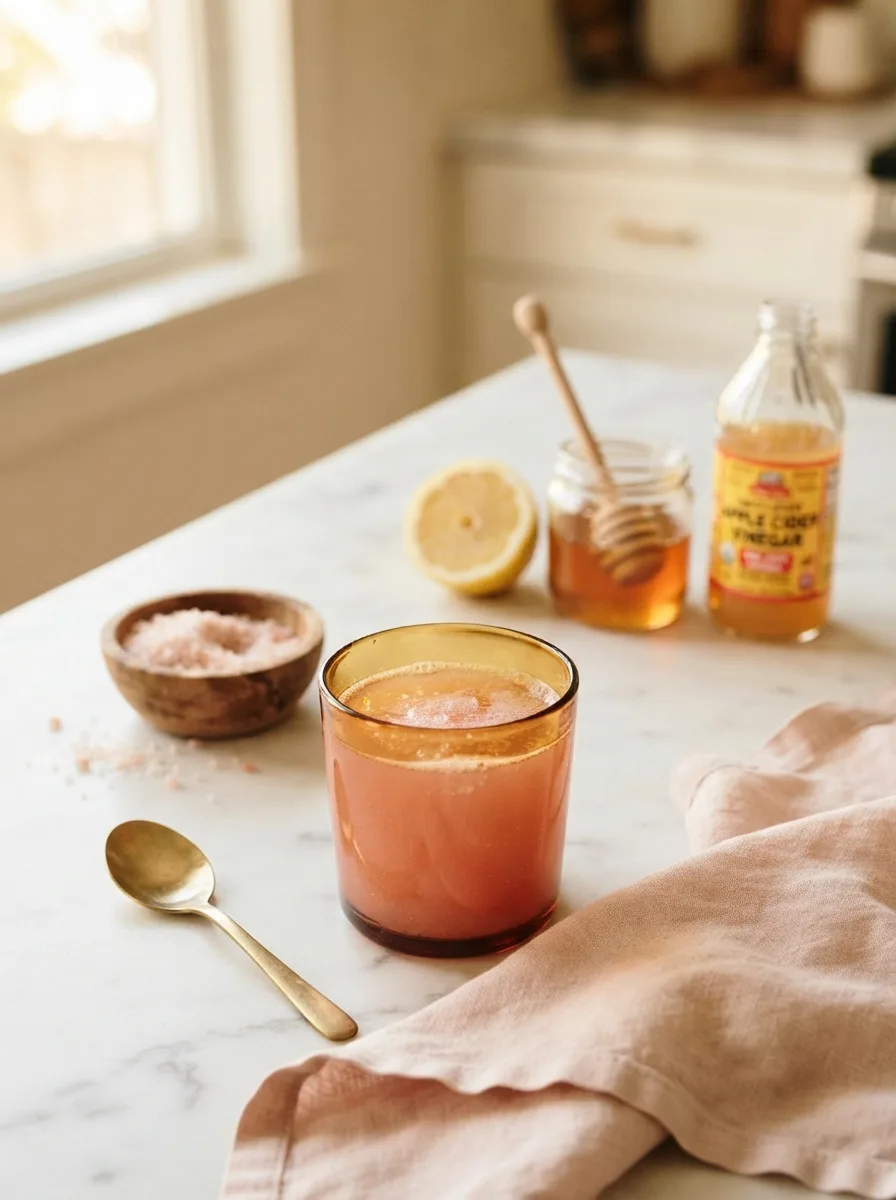
Dietary Variations:
- Sugar-free version: Simply skip the honey. The base recipe (salt, water, lemon) has no added sugar at all.
- Lower-sodium version: Drop to ¼ teaspoon of pink Himalayan salt if you’re watching your sodium intake or were told by a doctor to limit it — this is worth a conversation with your own healthcare provider, not just this post.
Flavor Variations:
- Ginger version: Add a thin slice of fresh ginger and let it sit in the glass for 2 minutes before drinking. Adds warmth without changing the salt ratio.
- Cinnamon version: A pinch of ground cinnamon, tested in Step 4 above, adds a mild sweetness that some testers preferred over the honey version.
Ingredient Substitutions:
- Pink Himalayan salt is not easily substituted without changing the entire premise of the recipe — table salt will work chemically but changes the flavor and defeats the point of a himalayan salt trick recipe specifically.
- Lime juice can replace lemon juice at the same 1-tablespoon amount if that’s what you have on hand; the flavor shifts slightly sharper but works the same way.
Looking for something to pair with a slower weekend morning? My cheesecake bread makes a good companion if you’re having this drink alongside actual breakfast rather than on a fully empty stomach.
Troubleshooting
Why does mine taste unbearably salty?
Most likely you measured a heaping spoonful instead of a level one, or you’re using the ¾ teaspoon or higher ratio without lemon juice to balance it. Level off your salt measurement and make sure the full tablespoon of lemon juice is actually in there — it does more balancing work than people expect.
Why won’t the salt fully dissolve?
This happens when the water is too cold. Salt dissolves significantly faster in warm water than in cold water straight from the fridge. Warm your water slightly before adding the salt, and stir for a full 30–45 seconds before assuming something’s wrong.
Why do I feel bloated or off after drinking it?
This is worth paying attention to. Drinking concentrated salt water on an empty stomach can cause bloating or discomfort in some people, especially if you’re not used to it or you’re prone to sodium sensitivity. If this happens, scale back to the ¼ teaspoon ratio or stop and check in with a doctor — I’m not in a position to diagnose why your body is reacting a certain way, only to tell you that discomfort is a real, reported response and shouldn’t be pushed through.
Storage and Make-Ahead
Counter: This drink is meant to be made fresh and consumed within the hour — the lemon flavor fades and the salt can start to taste flat after sitting too long at room temperature.
Refrigerator: You can premix a batch without the lemon juice and store it covered in the fridge for up to 24 hours; add fresh lemon juice right before drinking.
Freeze: Not recommended for the finished drink. If you want a cold version, freeze plain lemon water into ice cubes ahead of time and add those to a fresh batch of salt water instead.
Reheating: Not applicable — this is a cold or room-temperature drink by design.
Make-Ahead: Measure out several days’ worth of pink Himalayan salt into small containers so your morning routine only requires water, lemon, and a stir — this is the easiest way to actually stick with it if you’re trying it for more than a day or two.
Frequently Asked Questions
Q: What is the pink salt trick? A: It’s a viral drink trend made by dissolving pink Himalayan salt in water, often with lemon juice added, and drinking it first thing in the morning. It’s marketed heavily around weight loss and energy claims that I have not seen solid scientific backing for.
Q: What are the ingredients for the pink salt trick? A: The base recipe is pink Himalayan salt, filtered water, and fresh lemon juice. Optional add-ins across different versions include raw honey, ground cinnamon, and apple cider vinegar — none of which are required for the core recipe.
Q: Does the pink salt trick actually help with weight loss? A: I haven’t found credible scientific evidence supporting weight-loss claims tied specifically to this drink, and I’m not qualified to make medical claims either way. What it does reliably do is add a small amount of sodium and hydration to your morning — anything beyond that is unproven.
Q: Is this the same as the himalayan salt trick recipe going viral online? A: Yes — this is the same base concept. I tested the ratio specifically for taste and consistency, since most viral versions don’t include exact measurements.
Q: Can I use regular table salt instead of pink Himalayan salt? A: You can, chemically, but it changes the flavor and misses the point of a himalayan pink salt trick recipe specifically, since the trend is built around the mineral content and milder taste of Himalayan salt. Table salt tastes sharper and more one-note in this context.
Q: When should I drink the pink salt trick water? A: Most versions of this trend call for drinking it first thing in the morning, before food or coffee, on an empty stomach. That’s the timing I tested and the one most commonly recommended.
Q: Can I make a big batch ahead of time? A: You can premix the salt and water portion and refrigerate it for up to 24 hours, but add the lemon juice fresh right before drinking — it fades in flavor faster than the salt water base does.
Q: Is the himalayan pink salt trick recipe safe to drink every day? A: This depends entirely on your individual sodium tolerance and any health conditions you have. If you have high blood pressure, kidney issues, or are on a sodium-restricted diet, talk to your doctor before adding this to a daily routine. I’m sharing what I tested, not medical guidance.
More Recipes You’ll Love
- Cheesecake Bread — a soft, sliceable breakfast bread with a cream cheese swirl running through the center.
- Dolly’s Chicken and Stuffing Casserole — a comforting, make-ahead-friendly casserole for busy weeknights.
- Cheesy Ranch Potatoes and Sausage — a one-pan dinner with crispy potatoes and smoky sausage.
- Banana Tempura — crispy, lightly battered bananas that make a fast dessert with almost no cleanup.

Pink Salt Trick Recipe (Tested & Explained)
Ingredients
For the Pink Salt Trick Base:
- 8 oz (1 cup) filtered water, slightly warm
- 1/2 teaspoon fine pink Himalayan salt
- 1 tablespoon fresh lemon juice
For the Optional Add-Ins:
- 1/4 teaspoon raw honey (optional)
- 1 pinch ground cinnamon (optional)
- 1 teaspoon apple cider vinegar (optional)
Instructions
- Warm 8 oz of filtered water until just past room temperature — lukewarm, not hot.
- Add the ½ teaspoon of pink Himalayan salt and stir for 30–45 seconds, until fully dissolved with no visible grit at the bottom of the glass.
- Stir in the 1 tablespoon of fresh lemon juice.
- Add any optional mix-ins you’re using — honey, cinnamon, or apple cider vinegar — one at a time, stirring after each.
- Give the drink one final full stir to make sure everything is evenly distributed.
- Drink immediately, ideally first thing in the morning before food or coffee.
Notes
- Store any premixed salt water (without lemon) covered in the fridge for up to 24 hours; add lemon juice fresh right before drinking.
- Table salt can be substituted chemically but changes the flavor significantly and isn't recommended if you're specifically trying the Himalayan salt version of this trend.