Sol Agave Butter Cake Recipe (Tested 4 Times)

If you’ve had the butter cake at Sol Agave, you already know it’s not really about the cake. It’s about the warm glaze pooling underneath it — the one that soaks into every bite before it even hits your fork. I went back three times just to study it before I tried recreating it at home.
My first attempt was fine. Not it, though — the glaze sat on top instead of soaking in, and the crumb was more like pound cake than the soft, almost pudding-like texture I remembered. I tested this sol agave butter cake recipe four times, changing one thing each round: the glaze temperature, the poke depth, and the rest time before serving.
This version soaks all the way through. The cake stays soft for days, and the glaze sets into that same sticky, caramelized layer on top. It’s the version I make now when I want that restaurant dessert without leaving my kitchen.
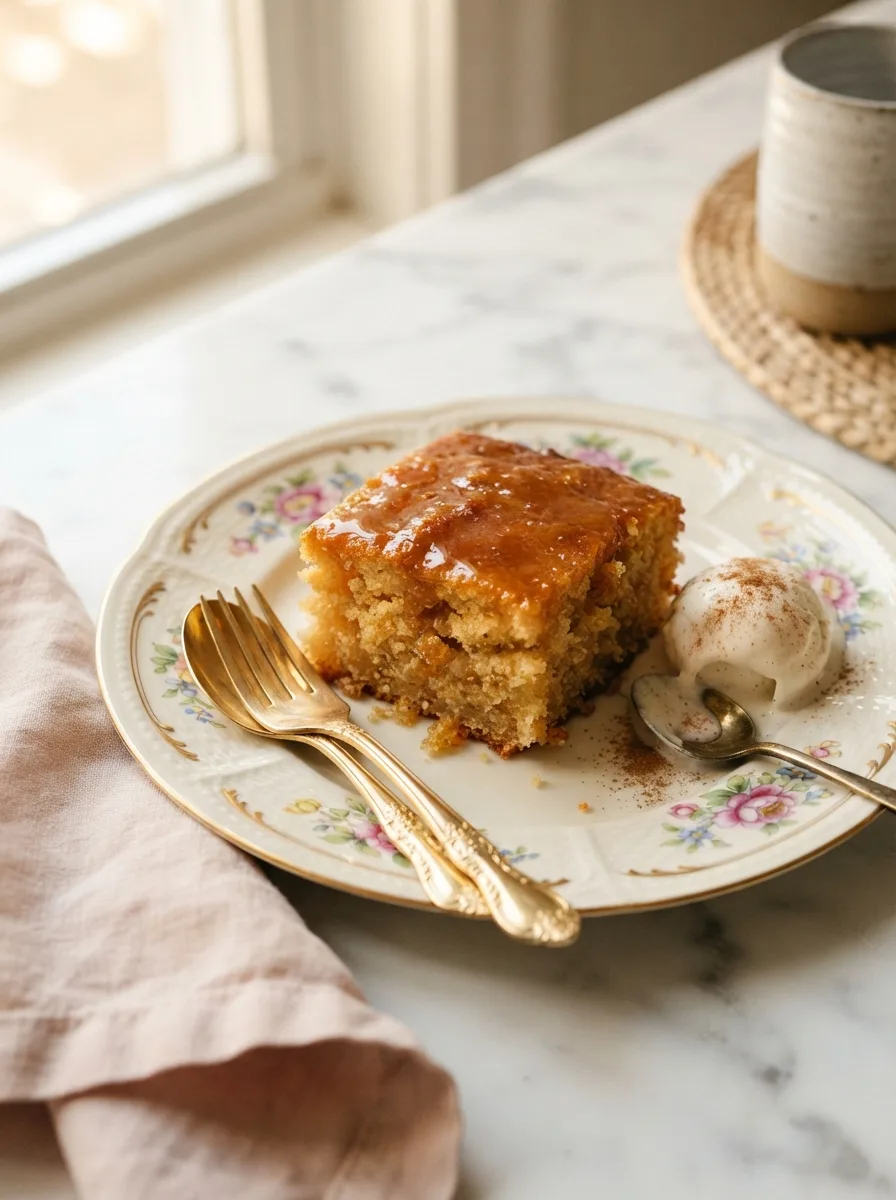
What makes this recipe different is the double-soak method. The cake gets poked and glazed twice — once right out of the oven while it’s hottest, and again after a short rest — so the glaze has nowhere to go but into the crumb. That’s the whole trick, and it’s the one thing my first three attempts skipped.
★★★★★ “I made this for a dinner party thinking it would be a fun experiment, and it was gone before the entrées were even cleared. The glaze soaking through the cake instead of just sitting on top is exactly what I remember from the restaurant.” — Priya, recipe tester (pre-launch)
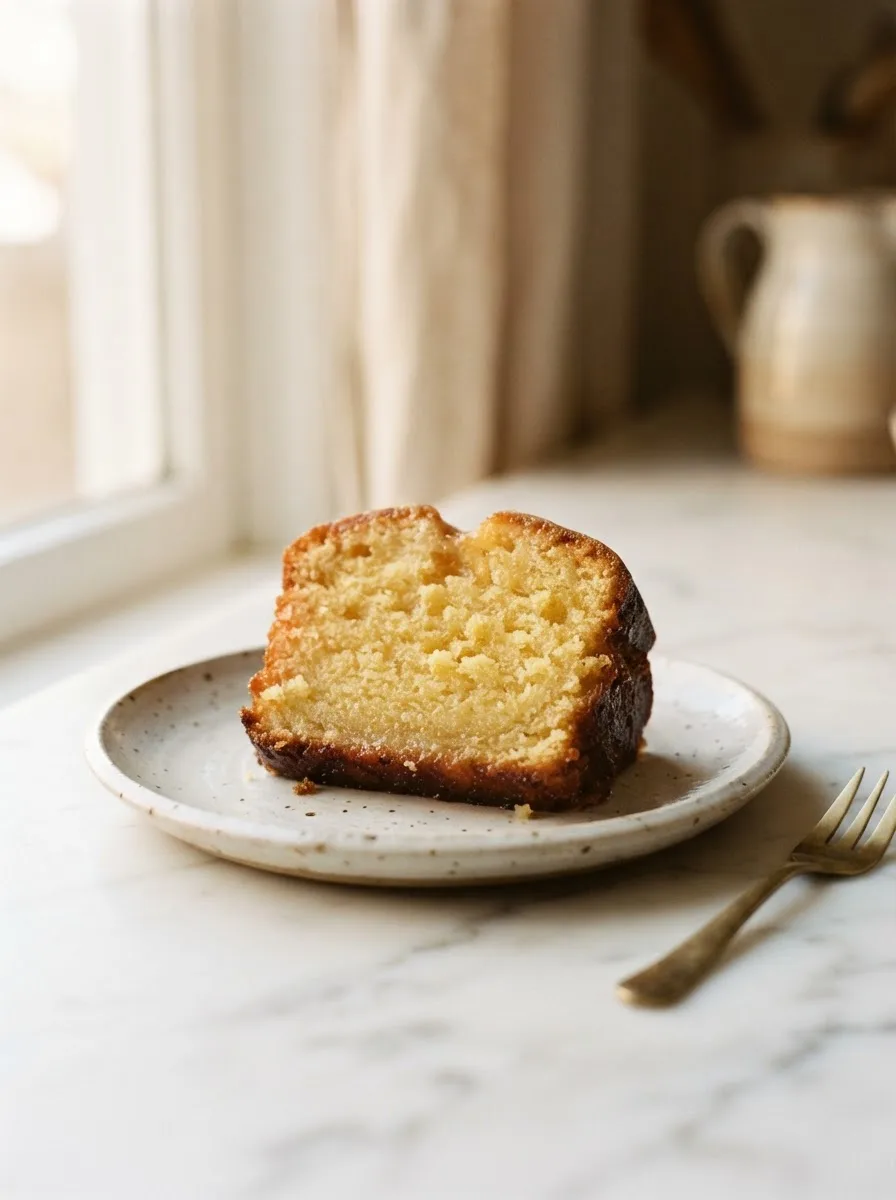
Why You’ll Love This Sol Agave Butter Cake
- The glaze soaks all the way through: Poking the cake while it’s still hot from the oven lets the warm agave-butter glaze work into every layer instead of sitting on top like a syrup.
- Real caramel flavor, not just sweetness: Agave nectar caramelizes differently than plain sugar — it gives the glaze a deeper, almost toffee-like edge instead of tasting one-note sweet.
- Make-ahead friendly: The cake actually improves after a few hours of resting, so it’s a good dessert to make the morning of a dinner or even the day before.
- One bowl for the batter, one pan for the glaze: No stand mixer required if you don’t have one — a hand mixer or even a sturdy whisk gets the job done.
Key Ingredients
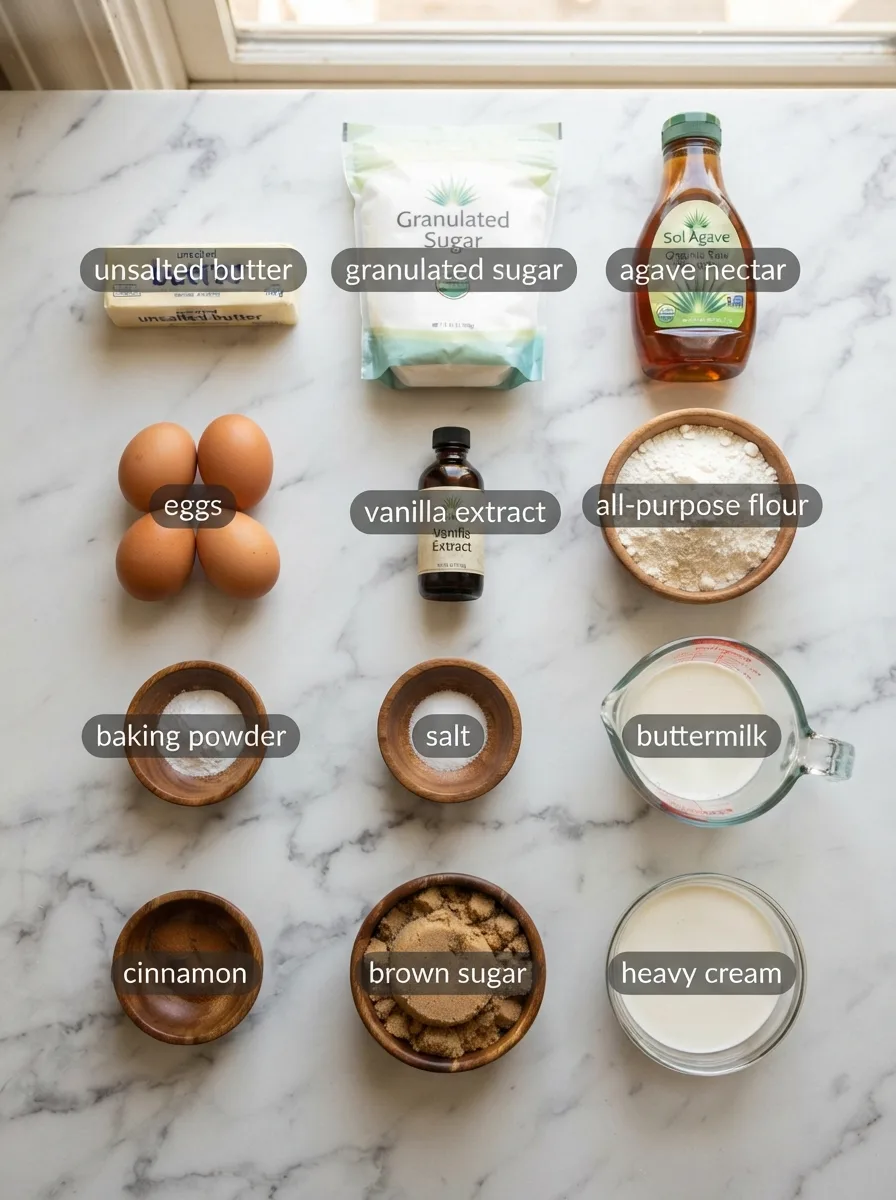
These are the main ingredients for the cake and the glaze. Full measurements are in the recipe card below.
Unsalted butter (¾ cup, softened, plus ½ cup for the glaze). Butter is doing double duty here — it’s the fat in the batter and the base of the glaze. Use unsalted so you can control the salt level in both.
Granulated sugar (1 cup) and agave nectar (⅓ cup, plus ½ cup for the glaze). This is the ingredient that makes it a sol agave butter cake and not just any butter cake. Agave nectar is sweeter than sugar by volume and has a lower viscosity than honey, so it blends into the glaze smoothly without seizing. Honey works as a substitute, but the flavor turns floral instead of caramel-forward.
Eggs (3 large, room temperature). Room temperature eggs incorporate into the butter-sugar mixture without breaking it. Cold eggs can cause the batter to look curdled — it’s not ruined, but the texture bakes up slightly denser.
All-purpose flour (2½ cups, spooned and leveled). Scooping straight from the bag packs in extra flour and dries out the crumb. Spoon it into the measuring cup and level with a knife, or weigh it at 300g for the most reliable results.
Buttermilk (¾ cup). Buttermilk’s acidity tenderizes the crumb and reacts with the baking powder for lift. No buttermilk on hand? Stir 2¼ teaspoons of white vinegar or lemon juice into ¾ cup of regular milk and let it sit for 5 minutes.
Ground cinnamon (1 teaspoon in the batter, ½ teaspoon in the glaze). A restaurant-style butter cake almost always has a warm spice note running through it. Cinnamon keeps it from tasting flat against the sweetness of the agave.
Light brown sugar (¼ cup) and heavy cream (¼ cup) for the glaze. Brown sugar deepens the glaze’s color and adds a molasses undertone. The cream keeps the glaze pourable instead of turning into hard candy as it cools.
Ingredient Note: Don’t substitute dark agave for light agave in the glaze without expecting a change — dark agave has a stronger, more molasses-like flavor that can overpower the cinnamon. Light agave nectar is what I tested this recipe with, and it’s what keeps the flavor closest to the restaurant version.
Equipment You’ll Need
- 9×13-inch metal baking pan — Metal conducts heat faster than glass or ceramic, which helps the edges caramelize slightly instead of staying pale. A glass pan works, but add 5 minutes to the bake time.
- Hand mixer or stand mixer — For creaming the butter and sugar. A sturdy whisk and some extra elbow grease will also get you there.
- Small saucepan — For the glaze. Nonstick makes cleanup easier since the sugar can cling to the bottom.
- Wooden skewer or fork — For poking holes in the warm cake. A cake tester works too; anything thin and long enough to reach most of the way through.
- Kitchen scale (optional but recommended) — Weighing the flour is the single easiest way to avoid a dense cake.
Controlling the Soak (A Controlled Test)
The entire identity of this cake is the glaze soak — so I tested three versions of it before settling on the method below.
Version 1: Glaze poured cold, cake poked once, served immediately. The glaze sat mostly on the surface. It looked glossy but didn’t reach past the top half-inch of the cake.
Version 2: Glaze poured hot, cake poked deeply right out of the oven, served after only 10 minutes of rest. Better absorption, but the cake was still warm enough that some glaze ran off the sides onto the plate instead of staying in the crumb.
Version 3 (the one in this recipe): Glaze poured hot in two additions — half right out of the oven, half 15 minutes later — with deep pokes each time. This is the version that soaked all the way through without any glaze pooling on the plate. The second glaze addition catches the holes that closed up slightly as the cake cooled.
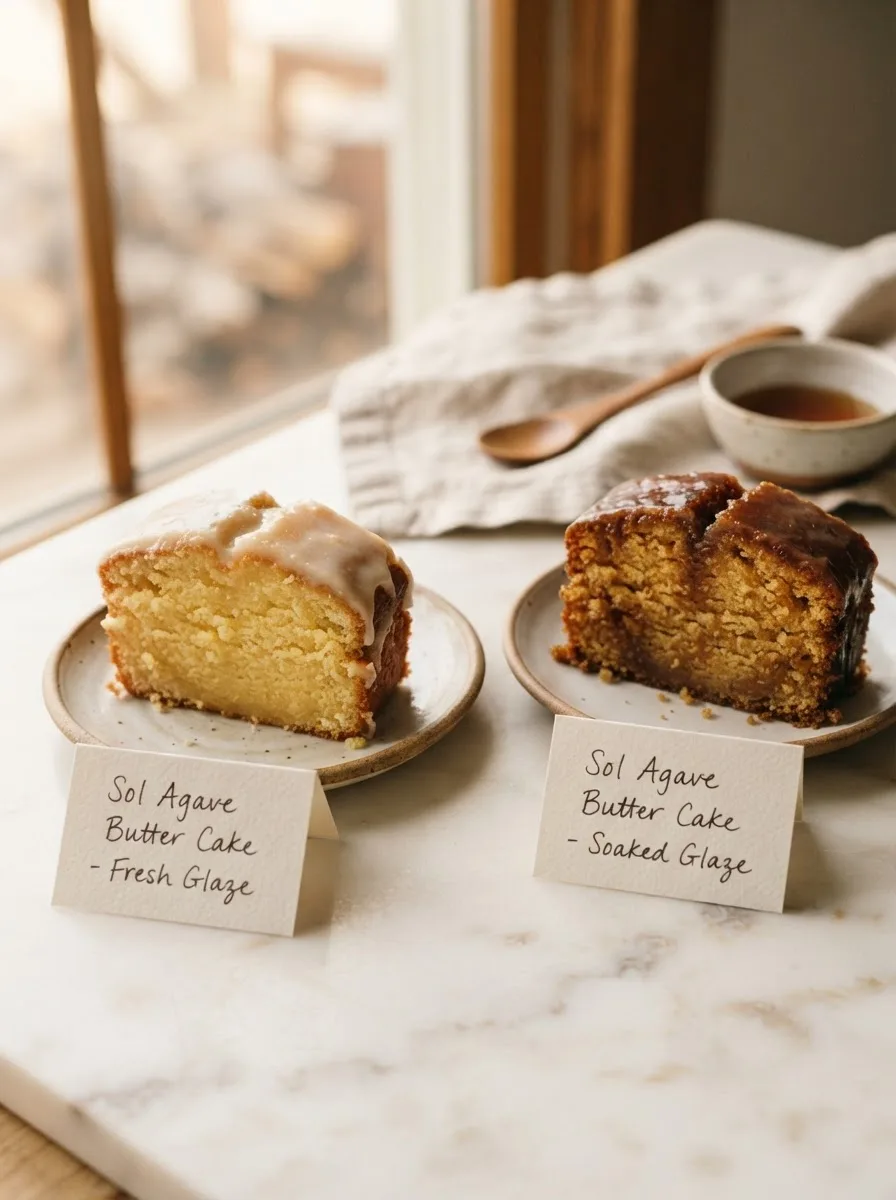
The takeaway: timing the glaze in two passes matters more than how much glaze you use. If you only pour once, pour it hot and pour it the second the cake comes out of the oven — that’s the window where the crumb is open enough to actually absorb it.
How to Make Sol Agave Butter Cake
Before you start: Preheat the oven to 350°F and set the butter and eggs out at least 30 minutes ahead so they come to room temperature. Grease the 9×13-inch pan well — the glaze will stick to any dry spots.
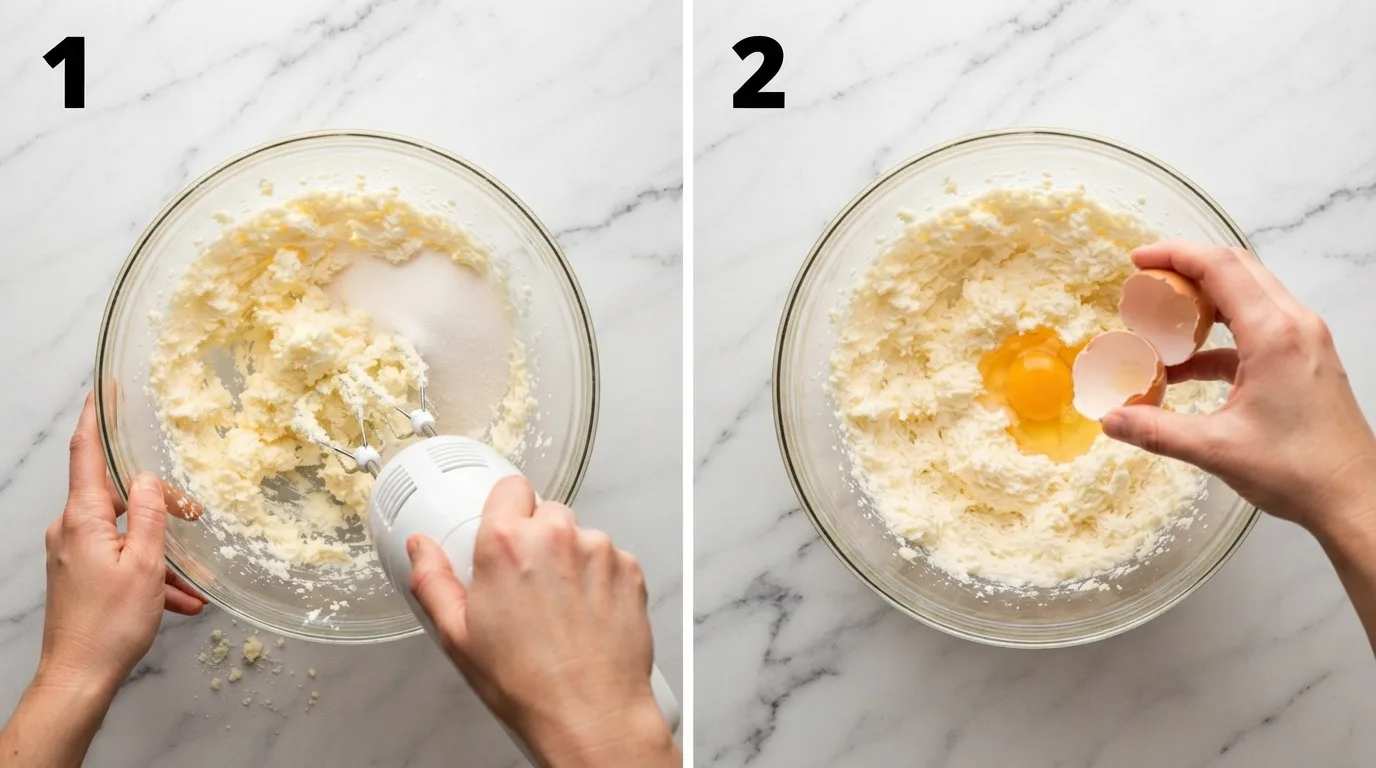
Step 1 — Cream the butter, sugar, and agave
Beat the softened butter, granulated sugar, and ⅓ cup of agave nectar together on medium speed for a full 3 minutes. This isn’t a step to rush — you’re working air into the butter, and that air is what gives the cake its lift. The mixture should turn pale and noticeably fluffier, almost like whipped frosting, by the end.
Step 2 — Add the eggs and vanilla
Add the eggs one at a time, beating well after each addition, then mix in the vanilla extract. The batter may look slightly separated right after the first egg goes in — that’s normal. It comes back together smooth once all three eggs are incorporated.
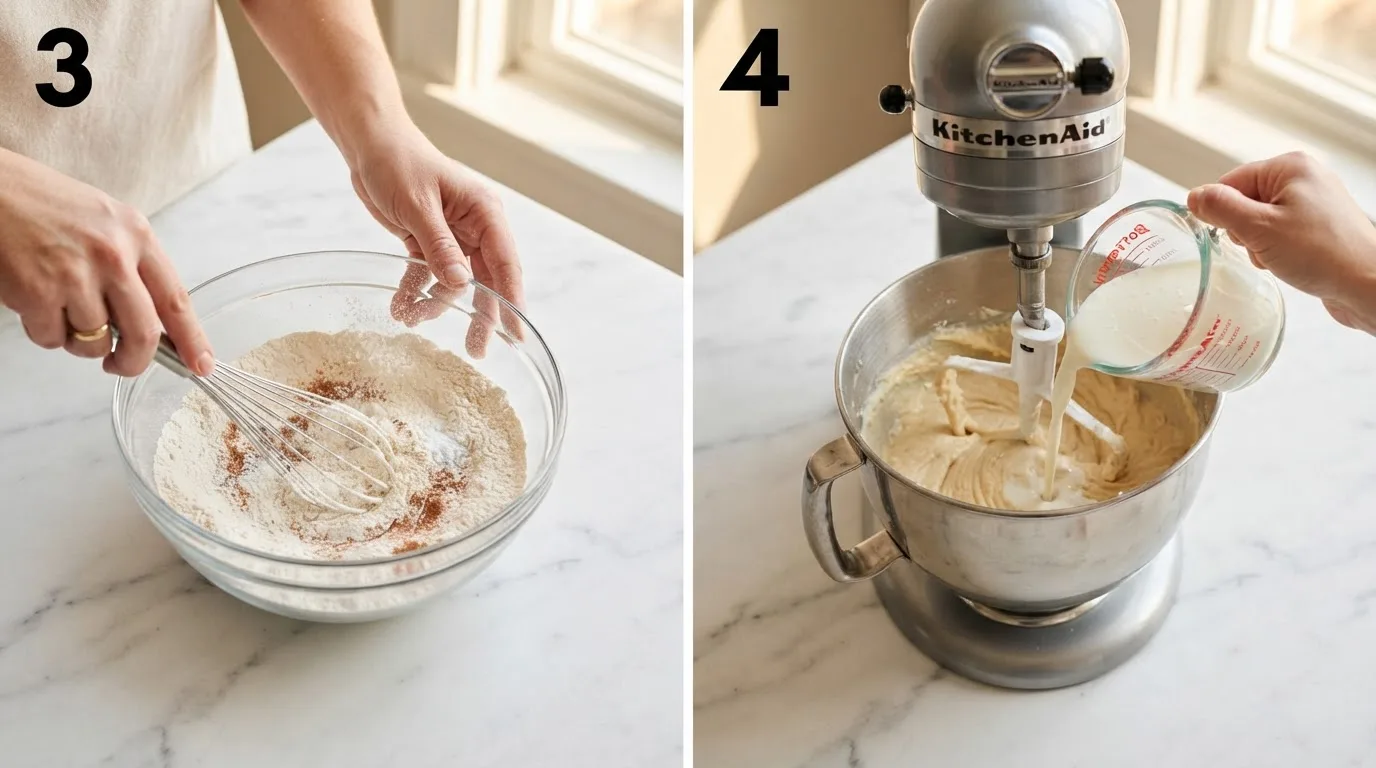
Step 3 — Mix the dry ingredients
In a separate bowl, whisk together the flour, baking powder, salt, and cinnamon. Whisking the dry ingredients before adding them prevents pockets of baking powder from ending up in one bite of the finished cake.
Step 4 — Alternate dry ingredients and buttermilk
Add the dry ingredients to the butter mixture in three additions, alternating with the buttermilk in two additions, starting and ending with the flour. Mix on low speed just until each addition disappears into the batter. Overmixing here is the fastest way to a tough, rubbery crumb instead of a soft one.
Step 5 — Bake the cake
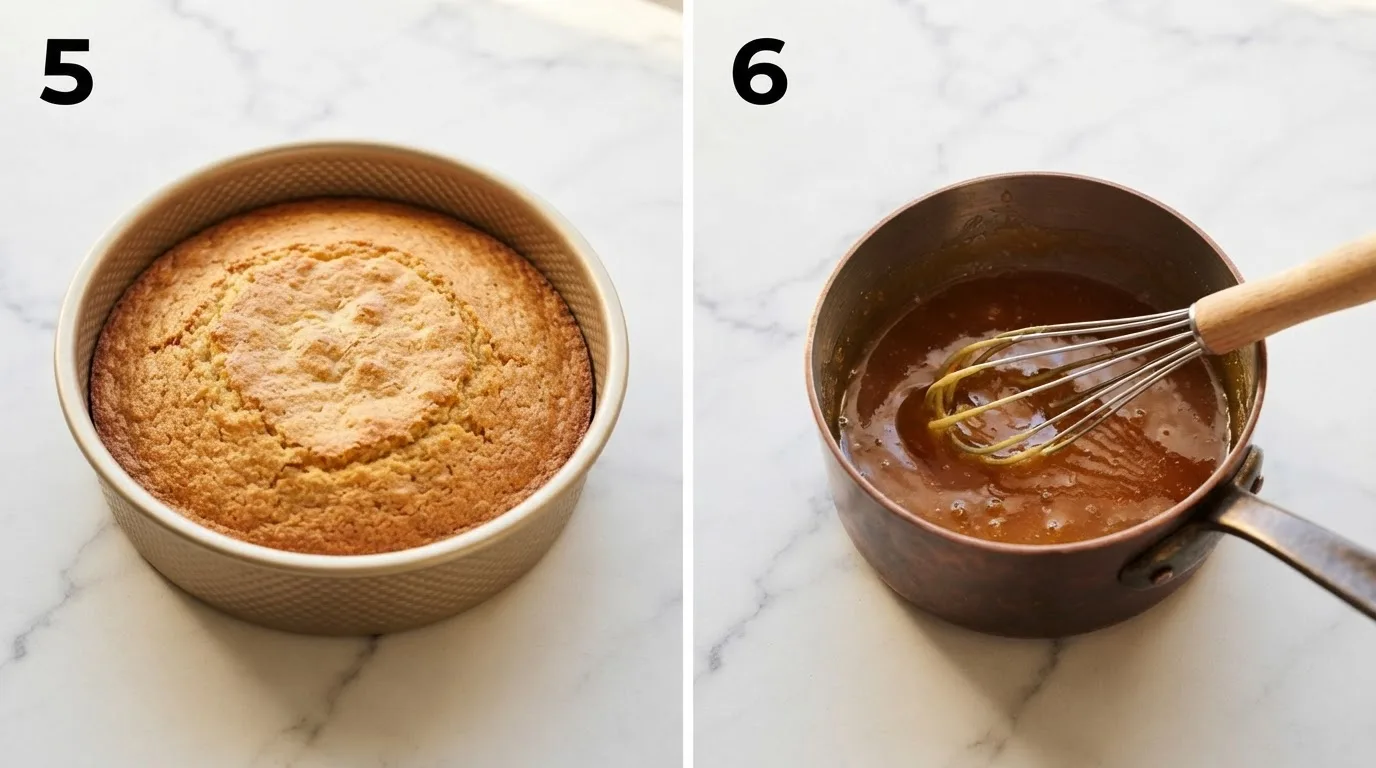
Pour the batter into the prepared pan and spread it evenly to the corners. Bake for 32–35 minutes, until the top is golden and a toothpick inserted in the center comes out with a few moist crumbs — not wet batter, not completely clean. The edges will look slightly darker than the center; that’s expected.
Step 6 — Make the glaze while the cake bakes
In the small saucepan over medium heat, melt the ½ cup of butter for the glaze with the brown sugar, remaining ½ cup of agave nectar, and ½ teaspoon cinnamon. Bring it to a gentle simmer, whisking constantly, for about 2 minutes until it thickens slightly and turns a shade darker. Remove from heat and whisk in the heavy cream — it will bubble up, which is normal.
Step 7 — Poke, glaze, and soak twice
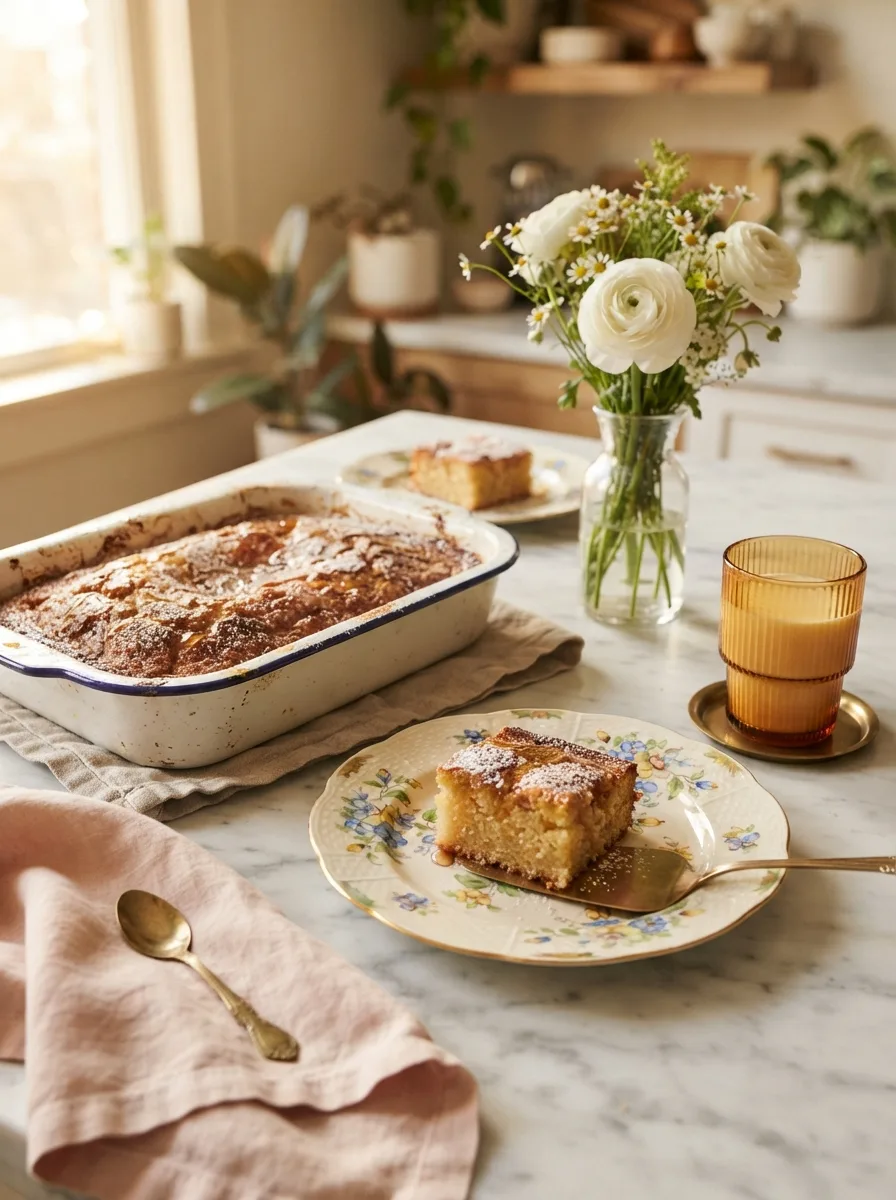
As soon as the cake comes out of the oven, poke it all over with a wooden skewer, going about two-thirds of the way down — don’t go all the way to the bottom or the glaze will pool underneath instead of soaking into the crumb. Pour half the warm glaze evenly over the top. Let the cake rest for 15 minutes, poke it again in the spots that missed glaze the first time, then pour on the rest. Let it rest at least 20 more minutes before slicing so the glaze has time to set into the crumb instead of running off the knife.
Pro Tips for Perfect Sol Agave Butter Cake
Tip 1: Pour the glaze hot, not warm. If the glaze cools even slightly before you pour it, it thickens up and sits on the surface instead of soaking in. Have the cake ready to go before you start the glaze so there’s no lag time.
Tip 2: Weigh your flour if you have a scale. 300g of flour gives a consistently soft crumb. Scooping straight from the bag can add up to an extra 30–40g, which is enough to make the difference between soft and dense.
Tip 3: Don’t skip the second glaze pour. The first pour closes some of the poke holes as the cake cools slightly. The second pour, after a short rest, is what gets glaze into the spots the first pour missed.
Tip 4: Let the cake rest before cutting. I know it’s tempting to cut in immediately, but the crumb is still setting for those last 20 minutes. Cutting too early gives you a cake that looks more like bread pudding than butter cake — still delicious, just messier to plate.
Variations and Substitutions
Dietary Variations:
- Gluten-free: Swap the all-purpose flour 1:1 for a cup-for-cup gluten-free blend that contains xanthan gum. The crumb turns out slightly more delicate and is best served the day it’s made.
- Dairy-free: Use a plant-based butter stick for both the cake and the glaze, and swap the buttermilk for unsweetened oat milk mixed with 2¼ teaspoons of lemon juice. The glaze will be a touch thinner — simmer it an extra minute to compensate.
Flavor Variations:
- Toasted pecan topping: Sprinkle ½ cup of toasted, chopped pecans over the cake after the first glaze pour. They toast further in the second round of soaking and add crunch against the soft crumb.
Ingredient Substitutions:
- Agave nectar → honey (1:1), though the flavor shifts more floral than caramel
- Buttermilk → whole milk with vinegar or lemon juice, as noted in the ingredients section
If you like the idea of a rich, buttery bake with a soaked or glazed layer, my cheesecake bread uses a similar swirl-and-soak approach and is worth trying next.
Troubleshooting
My glaze is sitting on top instead of soaking in — what happened?
Most likely the glaze had cooled before you poured it, or the pokes didn’t go deep enough. Reheat the glaze gently if it’s cooled and pour it while it’s still hot and thin, and make sure the skewer reaches about two-thirds of the way into the cake.
My cake turned out dense instead of soft — why?
This usually comes down to flour measurement or overmixing. If you scooped the flour directly from the bag instead of spooning and leveling (or weighing it), you likely added extra flour. It can also happen if the batter was mixed too long after the flour went in — mix just until combined.
The edges of my cake are dry and the middle is soft — is that normal?
Some contrast between the edges and center is normal in a metal pan, since the edges bake faster. If the edges seem noticeably overbaked, pull the cake 2–3 minutes earlier next time, or check that your oven isn’t running hot — an oven thermometer is worth the $10 if you bake often.
Storage and Make-Ahead
Counter: Covered tightly, the cake stays soft for up to 2 days at room temperature. The glaze keeps the top from drying out.
Refrigerator: Store covered for up to 5 days. The glaze firms up slightly when cold — bring slices to room temperature or warm briefly before serving for the best texture.
Freeze: Freeze the unglazed cake, wrapped tightly in plastic then foil, for up to 3 months. Thaw overnight in the refrigerator, then make a fresh batch of glaze and soak it before serving.
Reheating: Warm individual slices in the microwave for 10–15 seconds, or in a 300°F oven for about 5 minutes, to loosen the glaze back up.
Make-Ahead: Bake the cake up to a day ahead and store it unglazed at room temperature, covered. Make the glaze fresh and do the soak just before serving for the best texture and flavor.
Frequently Asked Questions
Q: What is sol agave butter cake? A: It’s a warm, moist butter cake soaked in a butter-and-agave glaze, similar to the dessert served at the Sol Agave restaurant chain. The glaze soaks into the crumb rather than sitting on top, giving it a texture closer to bread pudding than standard cake.
Q: Can I use honey instead of agave nectar? A: Yes, at a 1:1 ratio, but the flavor shifts toward floral honey notes instead of the deeper caramel flavor agave gives. If you want to stay close to the original flavor, agave is worth sourcing.
Q: Do I have to use buttermilk? A: No — stir 2¼ teaspoons of white vinegar or lemon juice into ¾ cup of regular milk and let it sit for 5 minutes as a substitute. It won’t taste tangy; it just mimics buttermilk’s acidity for tenderness.
Q: Can I make this in a bundt pan instead? A: Yes, though the glaze soak works less evenly since there’s less surface area on top. Poke generously and pour slowly, letting the glaze run down the sides as well as the top.
Q: Is this the same as sopapilla cheesecake? A: No — sopapilla cheesecake has a cream cheese layer between two crescent dough layers. This is a single, dense butter cake soaked in a agave-butter glaze, closer to a Tres Leches-style soaked cake than a layered dessert.
Q: Can I freeze this cake? A: Yes, freeze it unglazed for the best texture. Glaze soaked into a frozen-and-thawed cake tends to separate slightly, so making the glaze fresh after thawing gives the better result.
Q: How do I reheat a slice? A: A 300°F oven for about 5 minutes brings back the soft, warm texture best. The microwave works in a pinch — 10 to 15 seconds is usually enough.
Q: Can I make this ahead for a party? A: Bake the cake the day before and store it unglazed. Make the glaze and do the poke-and-soak the morning of, so it has time to set before guests arrive but the flavor stays fresh.
More Recipes You’ll Love
- Cheesecake Bread — a soft, swirled bread with a cheesecake filling baked right through the center
- Dolly’s Chicken and Stuffing Casserole — a cozy, comforting weeknight casserole built for second helpings
- Cheesy Ranch Potatoes and Sausage — a one-pan dinner loaded with ranch flavor and melted cheese
- Banana Tempura — crispy, lightly battered bananas that make a fast, warm dessert
Sol Agave Butter Cake Recipe (Tested 4 Times)
Ingredients
For the cake:
- 3/4 cup unsalted butter, softened
- 1 cup granulated sugar
- 1/3 cup (80ml) agave nectar
- 3 large eggs, room temperature
- 2 teaspoon vanilla extract
- 21/2 cup all-purpose flour, spooned and leveled
- 1 tablespoon baking powder
- 1/2 teaspoon salt
- 1 teaspoon ground cinnamon
- 3/4 cup (180ml) buttermilk, room temperature
For the agave-butter glaze:
- 1/2 cup unsalted butter
- 1/4 cup light brown sugar
- 1/2 cup (120ml) agave nectar
- 1/2 teaspoon ground cinnamon
- 1/4 cup (60ml) heavy cream
Instructions
- Preheat the oven to 350°F. Grease a 9×13-inch metal baking pan well.
- Beat the softened butter, granulated sugar, and ⅓ cup agave nectar on medium speed for 3 minutes, until pale and fluffy.
- Add the eggs one at a time, beating well after each addition. Mix in the vanilla extract.
- In a separate bowl, whisk together the flour, baking powder, salt, and cinnamon.
- Add the dry ingredients to the butter mixture in three additions, alternating with the buttermilk in two additions, mixing on low speed just until combined after each addition.
- Pour the batter into the prepared pan and spread evenly. Bake for 32–35 minutes, until golden and a toothpick comes out with a few moist crumbs.
- While the cake bakes, melt the butter for the glaze in a small saucepan over medium heat with the brown sugar, agave nectar, and cinnamon. Simmer, whisking, for 2 minutes until slightly thickened. Remove from heat and whisk in the heavy cream.
- As soon as the cake comes out of the oven, poke it all over with a wooden skewer, about two-thirds of the way down. Pour half the warm glaze evenly over the top.
- Let the cake rest for 15 minutes, poke again in any missed spots, then pour on the remaining glaze.
- Let the cake rest at least 20 more minutes before slicing and serving.
Notes
- Weigh the flour at 300g if you have a kitchen scale — this is the most reliable way to avoid a dense crumb.
- Pour the glaze while it's fully hot; if it cools before pouring, reheat it gently over low heat until thin and pourable again.
- The cake can be baked a day ahead and stored unglazed at room temperature; make the glaze fresh and soak the cake the day you plan to serve it.
- Leftovers keep well covered at room temperature for 2 days or in the refrigerator for up to 5 days.