Foolproof Saltgrass Macaroni and Cheese

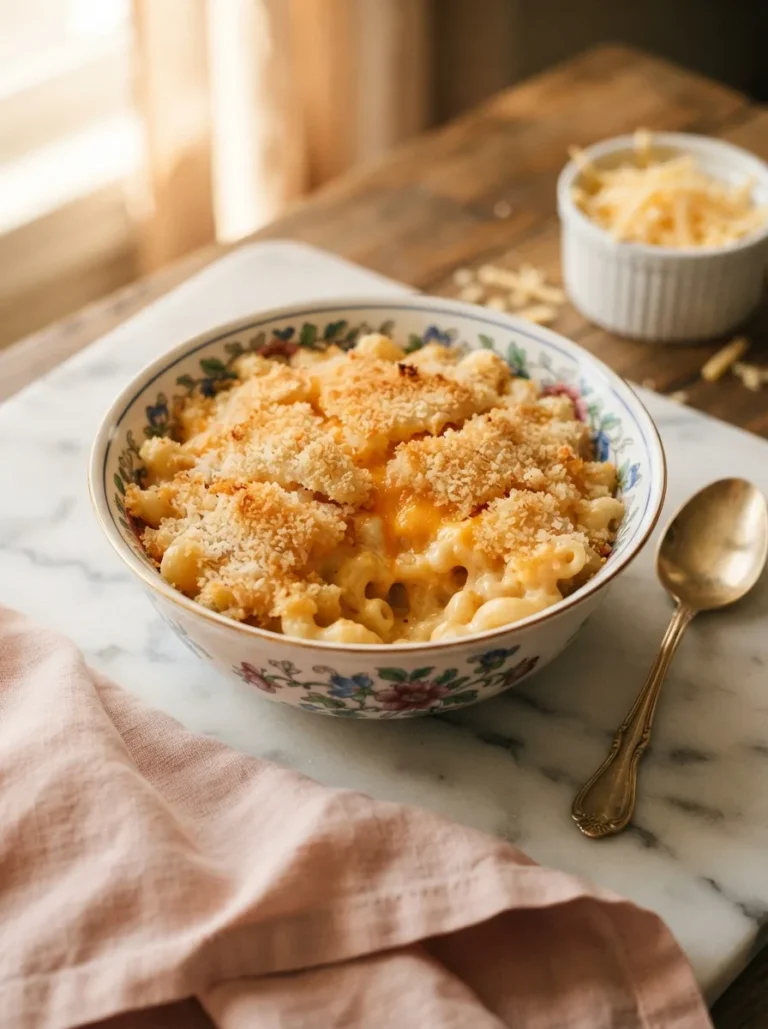
If you’ve ever ordered the mac and cheese at Saltgrass Steak House as a “just in case the steak isn’t enough” side and then quietly eaten the whole bowl, you already know the problem I’m solving here. It’s not just cheesy pasta — it’s a specific kind of cheesy pasta. Silky, not gluey. Rich, not greasy. A crust on top that cracks slightly before it gives way to a pool of sauce underneath.
I tested this Saltgrass Macaroni and Cheese recipe three times before I got that texture right. The first batch used pre-shredded cheese straight from the bag, and the sauce turned grainy the second it hit the oven — the same problem that trips up most homemade baked mac and cheese. The second batch fixed the graininess but came out soupy because I didn’t let the roux thicken enough before it went into the dish. The third batch is the one below, and it’s the one I keep making.
The most important variable here is the cheese: not what kind, but what form. Skip the pre-shredded bag. I’ll explain exactly why in a minute, because it’s the single biggest reason homemade cheese sauces break.
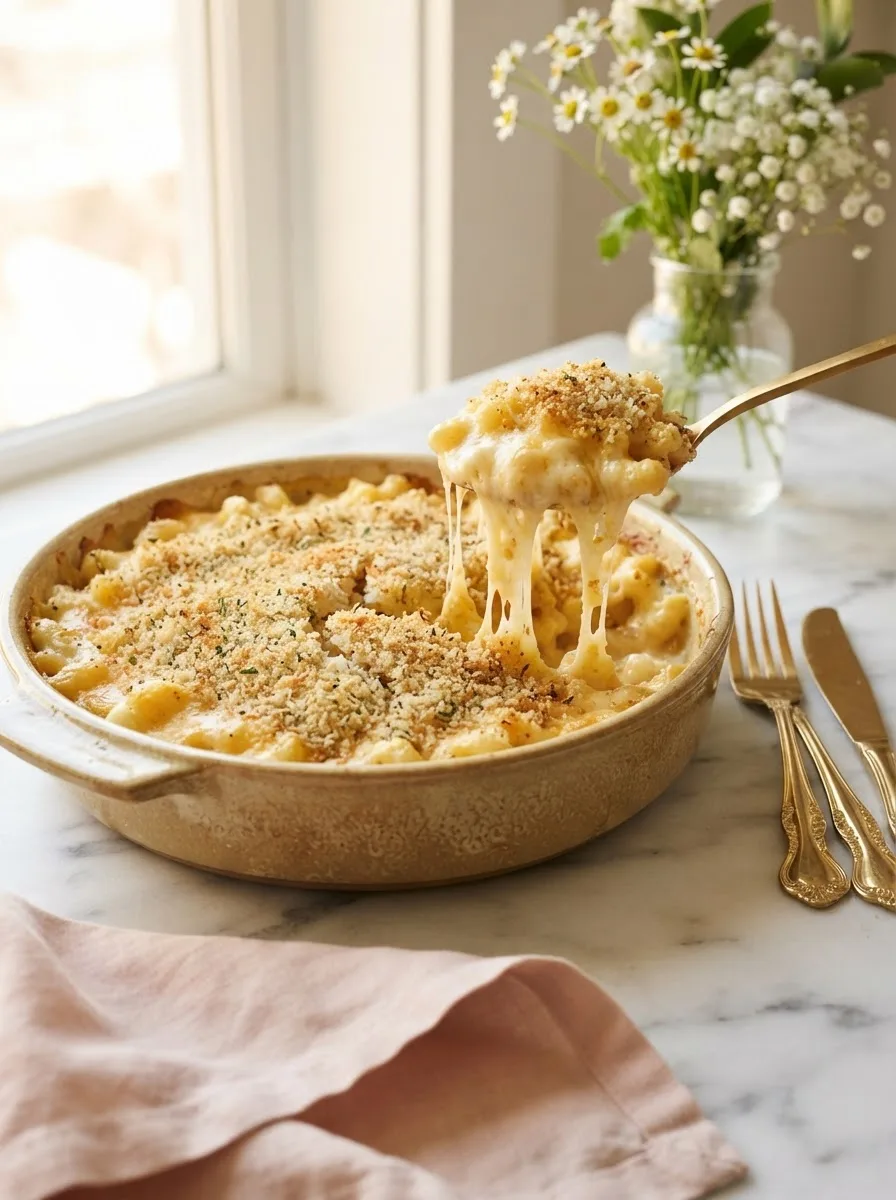
The result is a mac and cheese that holds its shape on the spoon but still pulls when you serve it — the exact texture the steakhouse version has, minus the 45-minute wait for a table. I’m genuinely proud of this one. Three tries to get a cheese sauce to behave is nothing compared to some of my other kitchen disasters, but it’s enough testing that I can tell you with confidence exactly what to do and what to skip.
★★★★★ “I made this for a family dinner where my brother-in-law specifically requested ‘the Saltgrass one.’ He asked for the recipe before dessert.” — Dana R., recipe tester (pre-launch)
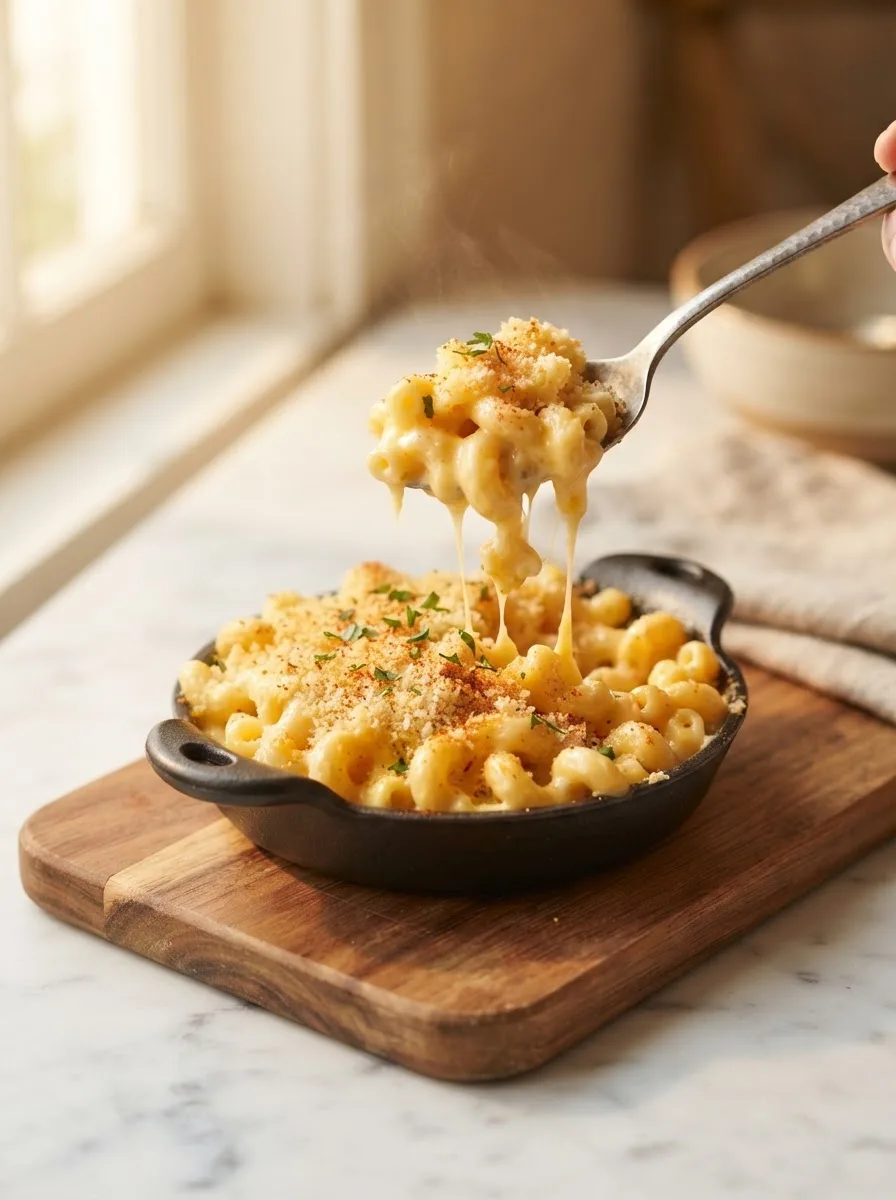
Why You’ll Love This Saltgrass Macaroni and Cheese
- A cheese sauce that stays smooth after baking: Most homemade baked mac and cheese turns grainy in the oven. This one doesn’t, because of one ingredient swap I’ll walk you through.
- A real steakhouse-style crust: The panko and parmesan topping crisps into a crackable crust, not just melted cheese on top.
- One pot, one saucepan: No fancy equipment, no separate roux station and pasta station running at the same time if you plan the order right.
- Reheats without turning gluey: A splash of milk when reheating brings the sauce right back to pourable, not stiff.
Key Ingredients
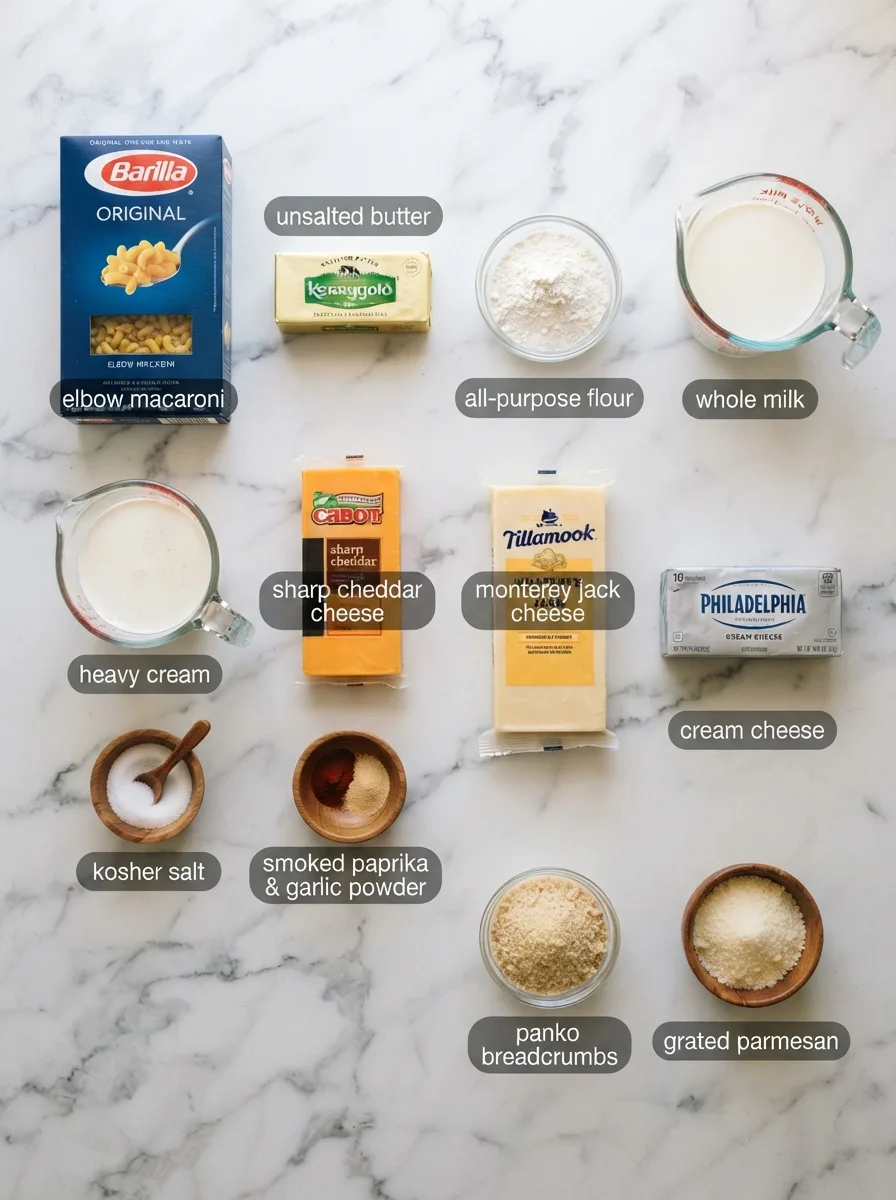
Elbow macaroni (1 pound). The classic shape holds sauce in its curve. Shells or cavatappi work too, if you want more sauce trapped per bite.
Sharp cheddar and Monterey Jack (8 oz each). Cheddar brings the sharp flavor; Monterey Jack melts smoother and keeps the sauce from turning stiff. Use both — cheddar alone can turn slightly grainy on its own once baked.
Cream cheese (4 oz). This is the stabilizer. It’s the reason the sauce stays silky instead of splitting into oil and solids in the oven. Don’t skip it, even though it’s a small amount.
Whole milk and heavy cream. The combination gives you a sauce rich enough to coat every noodle without being so heavy it turns to paste once baked. Half-and-half works as a middle-ground swap if that’s what’s in your fridge.
Panko breadcrumbs and parmesan. This is the crust. Panko crisps up lighter and crackable than regular breadcrumbs — regular breadcrumbs turn soft and soggy under the cheese sauce instead of staying crisp.
Ingredient Note: Buy block cheese and shred it yourself. Pre-shredded cheese is coated in cellulose and potato starch to keep it from clumping in the bag — that same coating is what makes baked cheese sauces turn grainy. This one change fixed my sauce more than anything else I tested.
Equipment You’ll Need
- Large pot — for boiling the pasta. Any 4-quart or larger pot works.
- Medium saucepan — for the roux and cheese sauce. A heavy-bottomed one prevents scorching.
- Whisk — non-negotiable for a lump-free sauce. A wooden spoon won’t break up the flour the same way.
- 9×13-inch baking dish — ceramic or glass both work fine. Metal bakes slightly faster, so check a few minutes early if that’s what you have.
- Box grater or food processor — for shredding the cheese blocks yourself.
Controlling the Cheese Sauce Texture (A Controlled Test)
I tested three versions of the sauce, changing one variable each time: block cheese versus pre-shredded, with cream cheese versus without, and a thinner roux versus a thicker one.
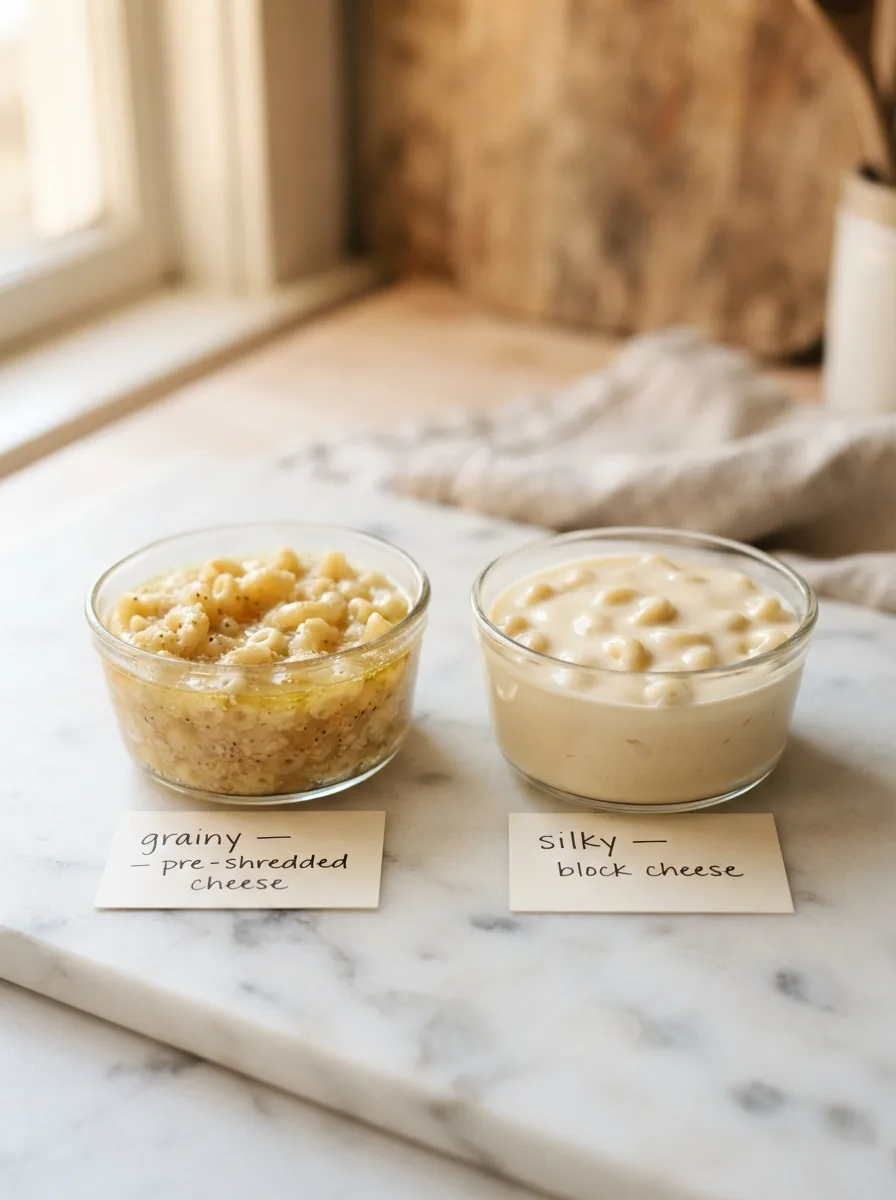
Pre-shredded cheese: Grainy and slightly oily after baking, with a texture close to sauce that’s started to separate. Flavor was fine, texture was not.
No cream cheese: Smoother than the pre-shredded batch, but it thinned out and turned soupy after 20 minutes at room temperature. Cream cheese is doing real structural work here, not just adding tang.
Block cheese, cream cheese, and a slightly thicker roux (5 tablespoons butter to 5 tablespoons flour instead of the usual 1:1 with less fat): This is the winner. The sauce held its body under the broiler and stayed smooth through a full day of fridge storage.
The takeaway: shred your own cheese and don’t skip the cream cheese. Those two changes matter more than any spice adjustment.
How to Make Saltgrass Macaroni and Cheese
Before you start: Preheat the oven to 350°F and shred all your cheese before you start the sauce — you’ll want it ready to go the moment the roux is thickened.
Step 1 — Cook the pasta just short of done
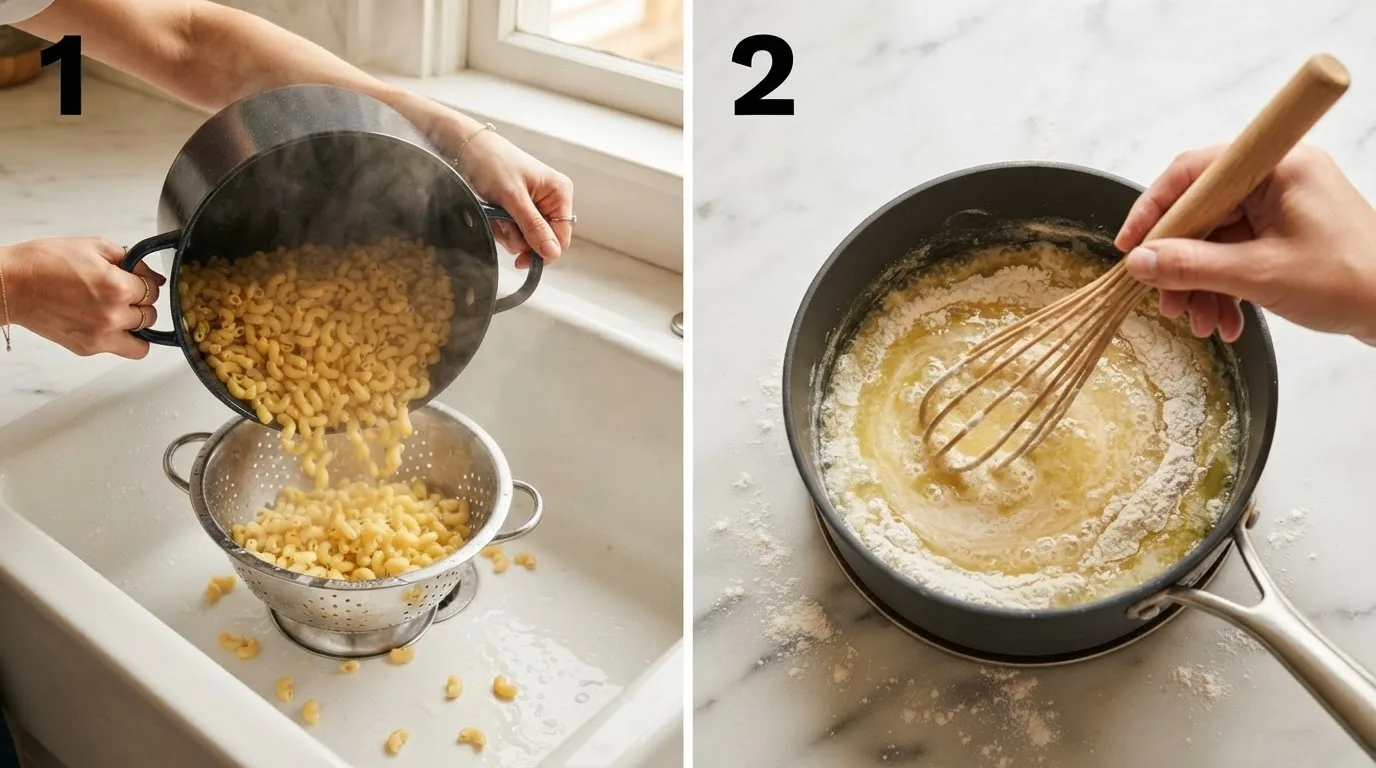
Boil the elbow macaroni in well-salted water for 1–2 minutes less than the package directions. It will finish cooking in the oven, and starting slightly underdone keeps it from turning mushy by the time the dish comes out bubbly. Drain and set aside — do not rinse, the starch on the surface helps the sauce cling.
Step 2 — Build the roux
Melt the butter in a saucepan over medium heat, then whisk in the flour. Cook for about 90 seconds, whisking constantly, until it smells slightly nutty and looks like wet sand. This step cooks off the raw flour taste — skip it and you’ll taste it in the final sauce.
Step 3 — Whisk in the milk and cream
Pour in the milk and cream gradually, whisking the whole time so no lumps form. Bring it to a gentle simmer and let it cook for 4–5 minutes, stirring often, until it coats the back of a spoon and a line drawn through it with your finger stays open for a couple of seconds.
Step 4 — Add the cheese off the heat
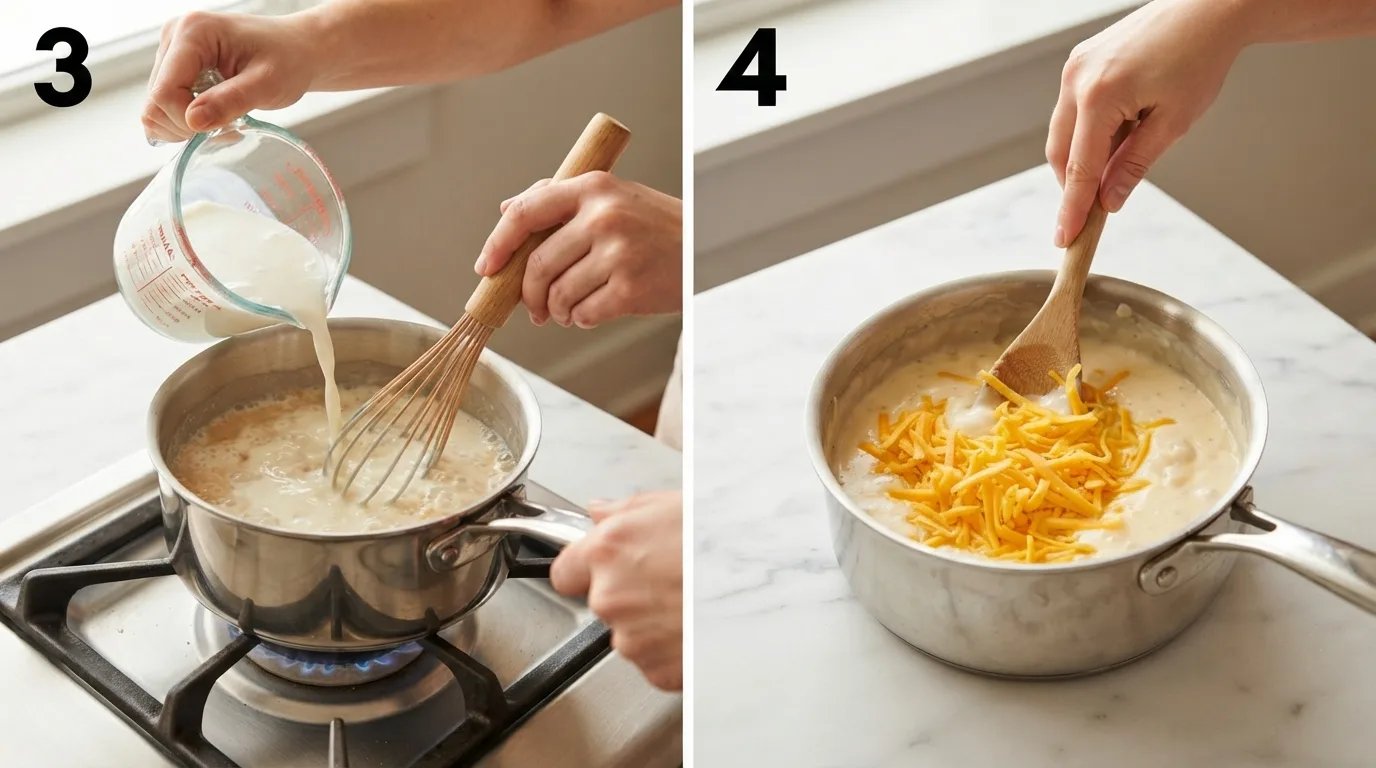
Take the saucepan off the heat completely. Stir in the cream cheese first until it melts in, then add the shredded cheddar and Monterey Jack in two batches, stirring until each batch is fully melted before adding the next. This is the step that prevents graininess — adding cheese while the sauce is still over direct heat is what breaks it. Season with garlic powder, smoked paprika, black pepper, and salt to taste.
Step 5 — Combine and transfer to the baking dish
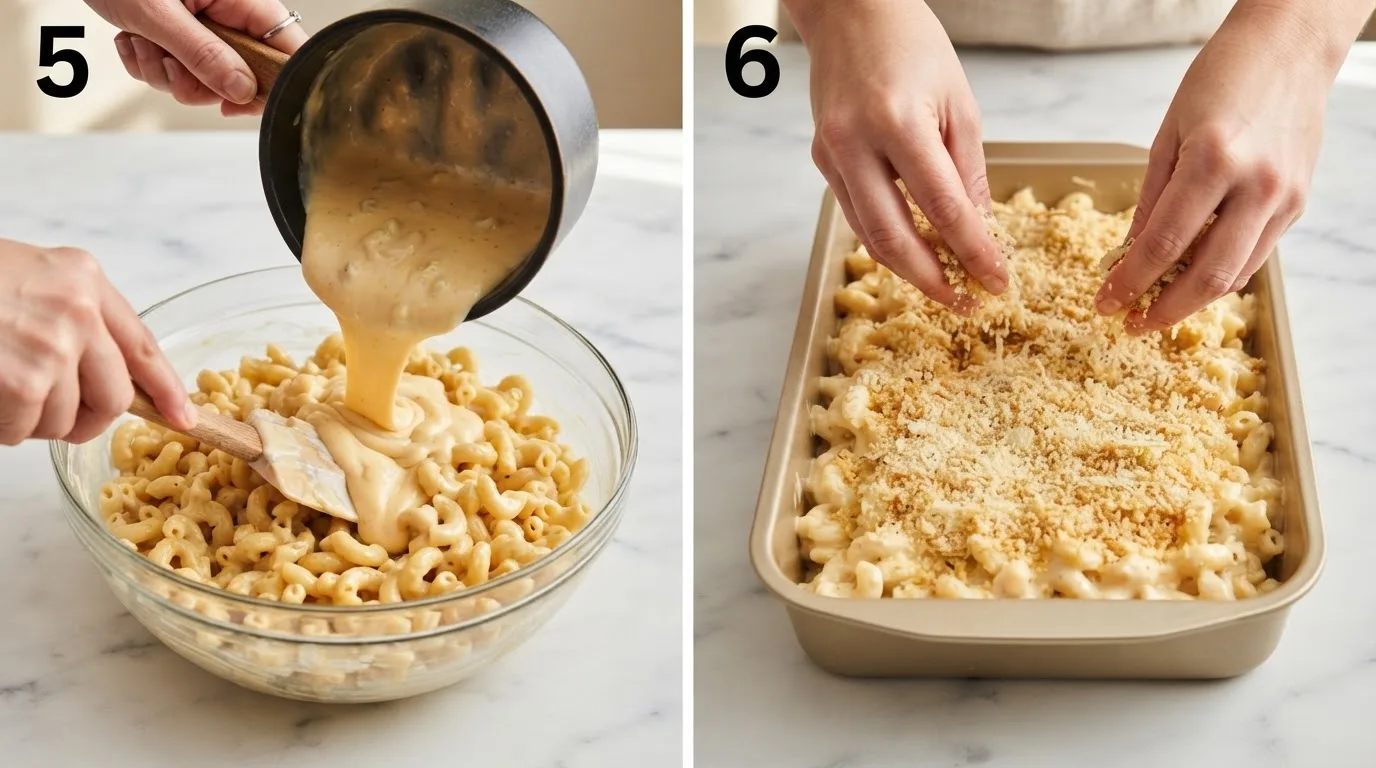
Pour the cheese sauce over the drained macaroni and stir gently until every noodle is coated. Transfer everything into a buttered 9×13-inch baking dish and spread it into an even layer.
Step 6 — Add the panko topping
Mix the panko with melted butter, grated parmesan, and a pinch of smoked paprika. Sprinkle it evenly over the top of the mac and cheese — don’t press it down, you want it sitting loosely so it can crisp.
Step 7 — Bake until golden and bubbly
Bake at 350°F for 20–25 minutes, until the edges are bubbling and the panko topping is deep golden brown. If the top isn’t as browned as you’d like by the time it’s bubbling, switch the oven to broil for the last 1–2 minutes — watch it closely, panko goes from golden to burnt fast.
Step 8 — Rest before serving
Let the dish sit for 5–10 minutes before serving. The sauce is still loose straight out of the oven and firms up into that sliceable, spoonable texture as it cools slightly. Skipping this step is the most common reason baked mac and cheese looks soupy on the plate.
Pro Tips for Perfect Saltgrass Macaroni and Cheese
Tip 1: Shred your own cheese. Pre-shredded bags are coated in anti-clumping starch that makes baked sauces grainy. Ten minutes with a box grater fixes this completely.
Tip 2: Add cheese off the heat, in batches. Direct heat is what causes cheese sauce to break. Pull the pan off the burner before you add a single handful.
Tip 3: Undercook the pasta slightly. It keeps cooking in the oven. Boiling it to fully done means mushy noodles by the time the topping browns.
Tip 4: Let it rest before serving. Five to ten minutes turns a soupy sauce into the sliceable, restaurant-style texture you’re after.
Variations and Substitutions
Dietary Variations:
- Gluten-free: Swap in a 1:1 gluten-free flour blend for the roux and use gluten-free elbow macaroni. Confirm your panko brand is labeled gluten-free, or use crushed gluten-free crackers for the topping instead.
- Lighter version: Use 2% milk in place of the cream and reduced-fat cream cheese. The sauce will be noticeably less rich and slightly thinner, but still holds together.
Flavor Variations:
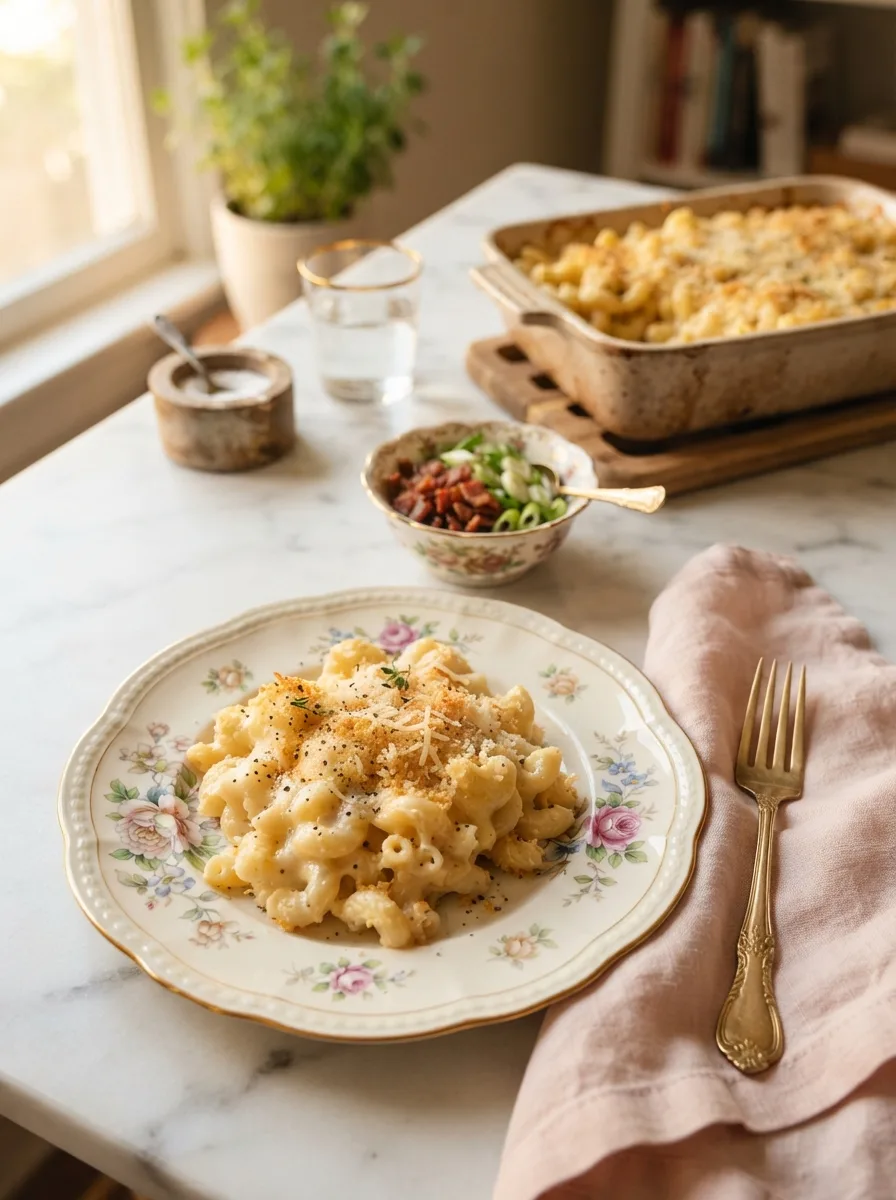
- Loaded version: Stir in ½ cup crispy bacon bits and top with sliced green onion after baking, for a version closer to a loaded steakhouse side.
- Spicy version: Add ¼ teaspoon cayenne to the sauce and fold in a diced jalapeño with the pasta.
Ingredient Substitutions:
- Monterey Jack → Colby or a mild cheddar, if that’s what’s on hand
- Panko → crushed buttery crackers (Ritz-style) mixed with melted butter, for an even richer crust
- Heavy cream → half-and-half, for a slightly lighter sauce with the same basic method
If you love the idea of a loaded, comfort-food mac and cheese, my mission bbq mac and cheese recipe takes a smokier, barbecue-inspired direction using a similar sauce base.
Troubleshooting
Why is my cheese sauce grainy?
This almost always comes down to two things: pre-shredded cheese (the anti-clumping coating doesn’t melt smoothly) or adding cheese while the sauce is still over direct heat. Shred block cheese yourself and always take the pan off the burner before stirring in the cheese.
Why did my mac and cheese come out soupy?
Either the roux didn’t cook long enough to thicken fully before the cheese went in, or the dish didn’t rest after baking. Simmer the milk and cream mixture until it visibly coats the back of a spoon, and give the finished bake 5–10 minutes to firm up before serving.
Why isn’t my topping getting golden and crispy?
If the bubbling starts before the panko browns, your oven may run a little cool, or the topping wasn’t sitting loosely enough to crisp. Finish with a 1–2 minute broil, watching closely, to get that golden, cracked crust.
Storage and Make-Ahead
Counter: Don’t leave it out longer than 2 hours — dairy-based sauces shouldn’t sit at room temperature past that window.
Refrigerator: Store in an airtight container for up to 4 days. The sauce will firm up significantly when cold; that’s expected.
Freeze: Assemble the dish without the panko topping and freeze unbaked for up to 2 months, or freeze fully baked leftovers in an airtight container for up to 2 months. Thaw overnight in the fridge before reheating.
Reheating: Reheat in a 325°F oven, covered with foil, with a splash of milk stirred in first to loosen the sauce. Stovetop reheating over low heat with a splash of milk also works well for smaller portions.
Make-Ahead: Assemble the full dish (pasta and sauce combined) up to 24 hours ahead and refrigerate, unbaked. Add the panko topping just before baking, and add 5–10 extra minutes to the bake time since it’s starting cold.
Frequently Asked Questions
Q: What kind of cheese does Saltgrass use in their mac and cheese? A: The exact blend is a restaurant secret, but a mix of sharp cheddar and Monterey Jack gets very close to the flavor and melt of the original, with cream cheese added for the same silky texture.
Q: Can I make this ahead of time for a party? A: Yes — assemble the pasta and sauce up to a day ahead, refrigerate unbaked, then add the panko topping and bake right before serving. Add a few extra minutes to the bake time since it’s starting cold.
Q: Can I freeze saltgrass macaroni and cheese? A: Yes. Freeze it unbaked (without the topping) for the best texture, or freeze baked leftovers in an airtight container for up to 2 months. Thaw overnight in the fridge before reheating.
Q: Why is my cheese sauce grainy after baking? A: This is almost always pre-shredded cheese or adding cheese over direct heat. Shred your own cheese from a block and stir it in off the heat, in batches.
Q: Can I make this gluten-free? A: Yes — use a 1:1 gluten-free flour blend for the roux, gluten-free elbow macaroni, and confirm your panko is labeled gluten-free (or swap in crushed GF crackers for the topping).
Q: What’s the best pasta shape for baked mac and cheese? A: Elbow macaroni is the classic choice, but shells and cavatappi both work well because their curves and ridges hold extra sauce.
Q: Can I add protein to make this a full meal? A: Definitely. Diced grilled chicken or crispy bacon both stir in well. Fold cooked protein in with the pasta before it goes into the baking dish.
More Comfort Food Recipes You’ll Love
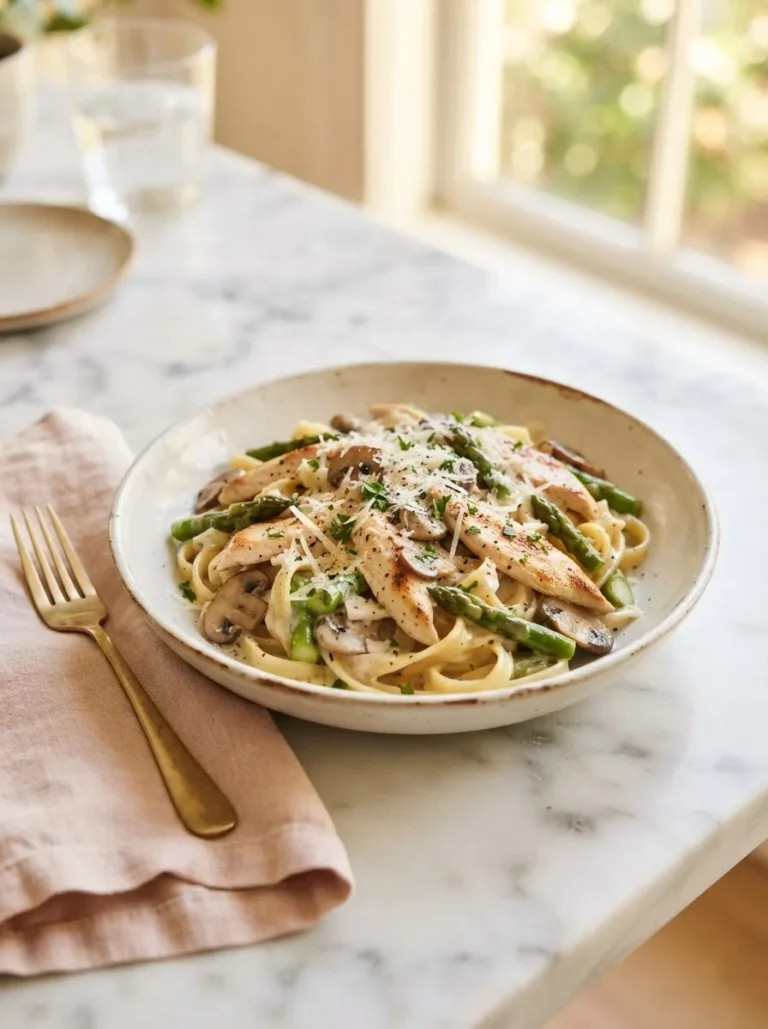
- Chicken Alfredo Bread Bowl — creamy chicken alfredo served in a warm, crusty bread bowl
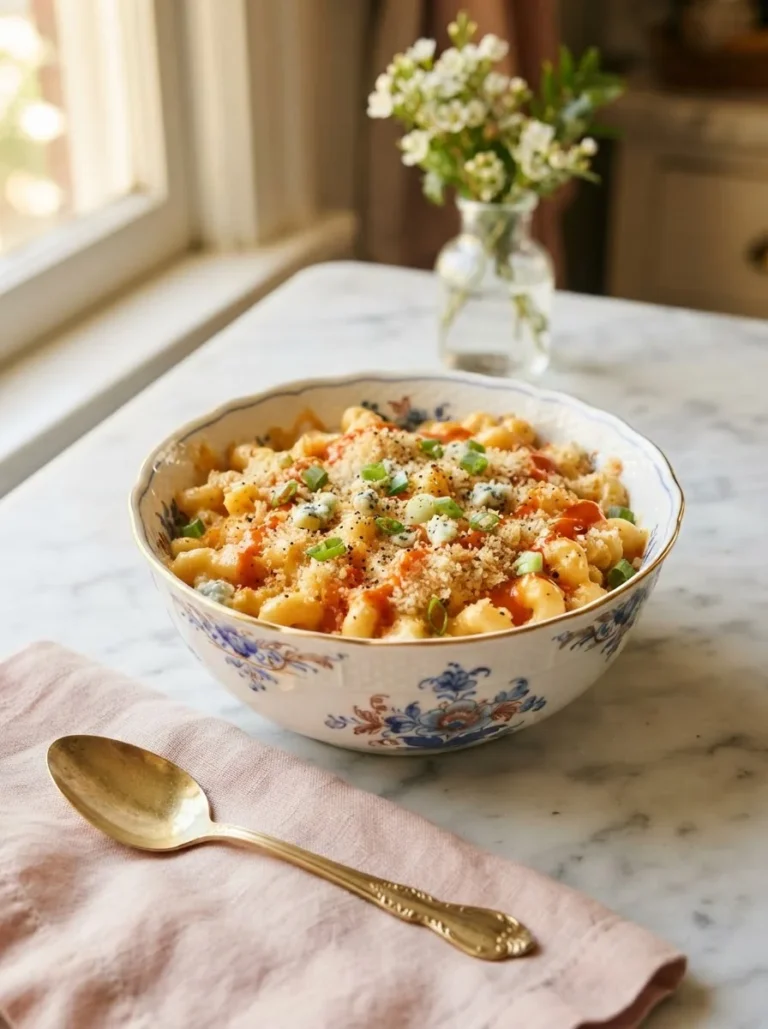
- Buffalo Mac and Cheese (Buffalo Wild Wings Copycat) — the same silky baked cheese sauce with a spicy buffalo kick
- Cheesecake Factory Alfredo Sauce — the restaurant-style alfredo sauce recipe that started this whole copycat obsession
- Mission BBQ Mac and Cheese Recipe — a smokier, barbecue-leaning take on baked mac and cheese
Foolproof Saltgrass Macaroni and Cheese
Ingredients
For the Pasta:
- 1 pound elbow macaroni
- 1 tablespoon kosher salt (for pasta water)
For the Cheese Sauce:
- 5 tablespoon unsalted butter
- 5 tablespoon all-purpose flour
- 3 cup whole milk
- 1 cup heavy cream
- 4 oz cream cheese, softened and cubed
- 8 oz sharp cheddar, shredded from a block
- 8 oz Monterey Jack, shredded from a block
- 1 teaspoon garlic powder
- 1/2 teaspoon smoked paprika
- 1/2 teaspoon black pepper
- 1/2 –1 teaspoon kosher salt, to taste
For the Topping:
- 1 cup panko breadcrumbs
- 2 tablespoon unsalted butter, melted
- 1/4 cup grated parmesan
- Pinch of smoked paprika
Instructions
- Preheat the oven to 350°F and butter a 9×13-inch baking dish.
- Bring a large pot of salted water to a boil. Cook the elbow macaroni 1–2 minutes less than the package directions. Drain and set aside without rinsing.
- In a medium saucepan, melt the butter over medium heat. Whisk in the flour and cook for about 90 seconds, until it smells nutty and looks like wet sand.
- Gradually whisk in the milk and heavy cream. Simmer for 4–5 minutes, whisking often, until the mixture thickens enough to coat the back of a spoon.
- Remove the saucepan from the heat. Stir in the cream cheese until fully melted, then add the shredded cheddar and Monterey Jack in two batches, stirring until each is fully melted before adding the next. Season with garlic powder, smoked paprika, black pepper, and salt.
- Pour the cheese sauce over the drained macaroni and stir until evenly coated. Transfer to the prepared baking dish.
- In a small bowl, mix the panko, melted butter, parmesan, and a pinch of smoked paprika. Sprinkle evenly over the macaroni without pressing down.
- Bake for 20–25 minutes, until bubbling at the edges and golden on top. Broil for 1–2 minutes at the end if you want a deeper golden crust, watching closely.
- Let rest for 5–10 minutes before serving.
Notes
- Shred your own cheese from a block rather than using pre-shredded bags — the anti-clumping coating on pre-shredded cheese is the main cause of a grainy baked sauce.
- To make ahead, assemble the pasta and sauce up to 24 hours in advance and refrigerate unbaked. Add the panko topping just before baking, and add 5–10 extra minutes to the bake time since it’s starting cold.
- Nutrition is estimated per serving based on 8 servings from the full recipe; adjust if you divide it into more or fewer portions.
- For an extra-crisp topping, finish with 1–2 minutes under the broiler, watching closely so the panko doesn’t burn.