Copycat Cheesecake Factory Beet Salad

If you’ve ever ordered the cheesecake factory beet salad and then spent the drive home trying to reverse-engineer it, you’re the reason I finally sat down and figured this one out. It looks simple — beets, greens, some cheese — but the version at the restaurant has a specific balance that’s easy to miss at home: the beets are tender without being mushy, the vinaigrette is sweet but not syrupy, and every bite has a little bit of crunch from the jicama.
I tested this three times, mostly chasing the beet texture. The first batch was underdone and squeaky in the middle. The second batch was fine but the vinaigrette was too sharp. The third batch is the recipe below, and it’s the one I keep making.
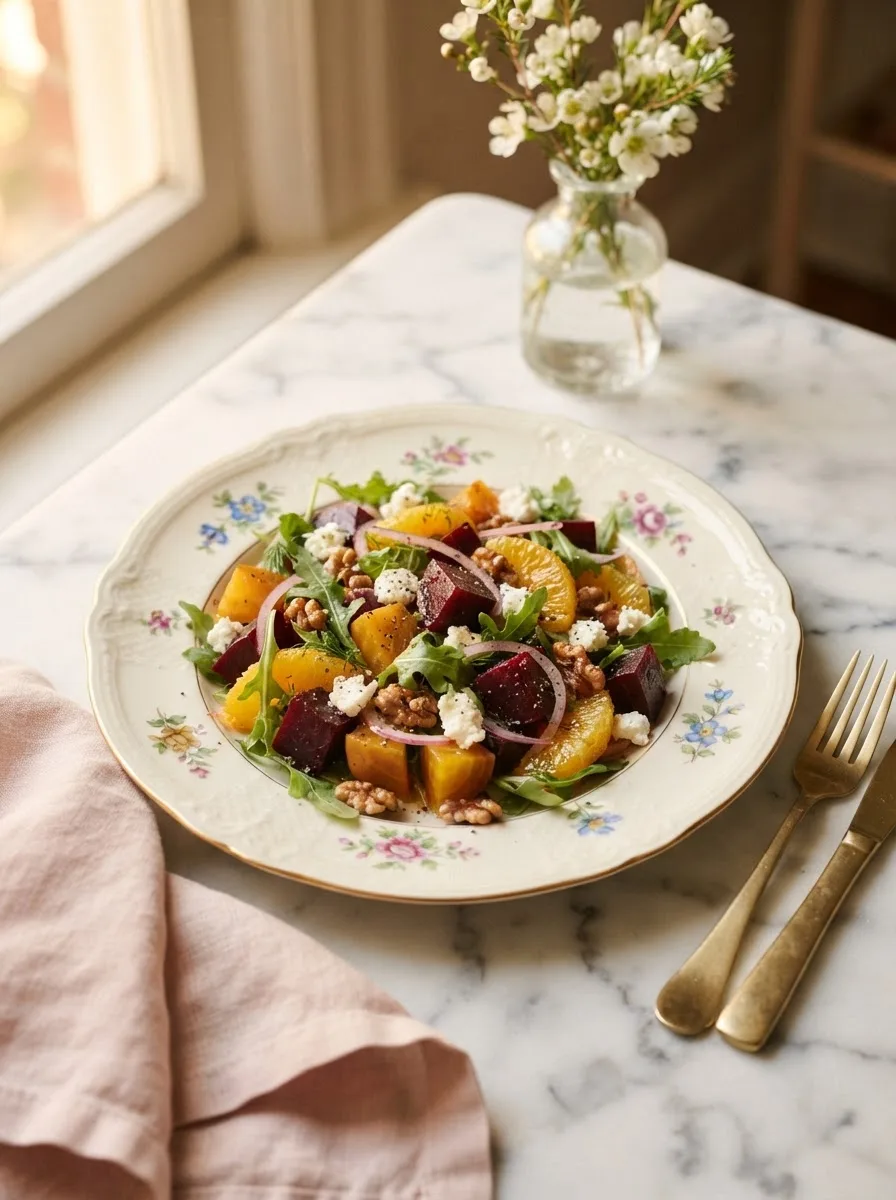
The result is close enough to the restaurant version that my husband asked if I’d brought home a to-go order. The beets roast low and slow wrapped in foil, which keeps them tender all the way through without turning watery, and the champagne vinaigrette leans slightly sweet with honey to balance the earthy beets and tangy goat cheese.
★★★★★ “I’ve ordered this salad at the restaurant probably fifty times and this tastes closer to it than any copycat I’ve tried — the beet texture is exactly right.” — Marissa T., recipe tester (pre-launch)
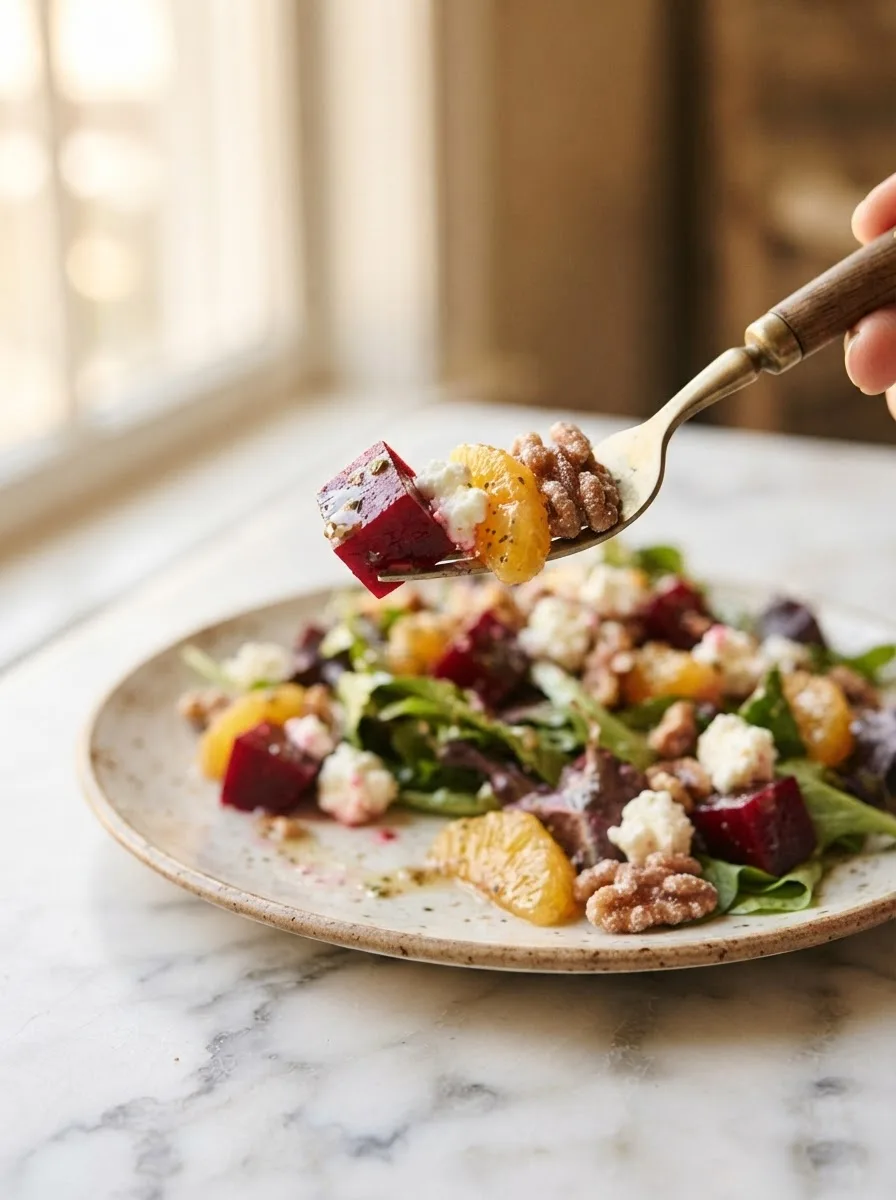
Why You’ll Love This Cheesecake Factory Beet Salad
- Tastes like the restaurant version: The roasted beets, jicama crunch, and honey-champagne vinaigrette hit the same notes as the original, without a special trip out.
- Make-ahead friendly: Every component — beets, vinaigrette, candied walnuts — can be made a day or two ahead, so assembly takes about 5 minutes.
- Naturally gluten-free: Every ingredient in this salad is gluten-free as written, no swaps needed.
- Good for entertaining: It plates beautifully and holds well on a buffet table for an hour or so without wilting, since the greens go on last.
Key Ingredients
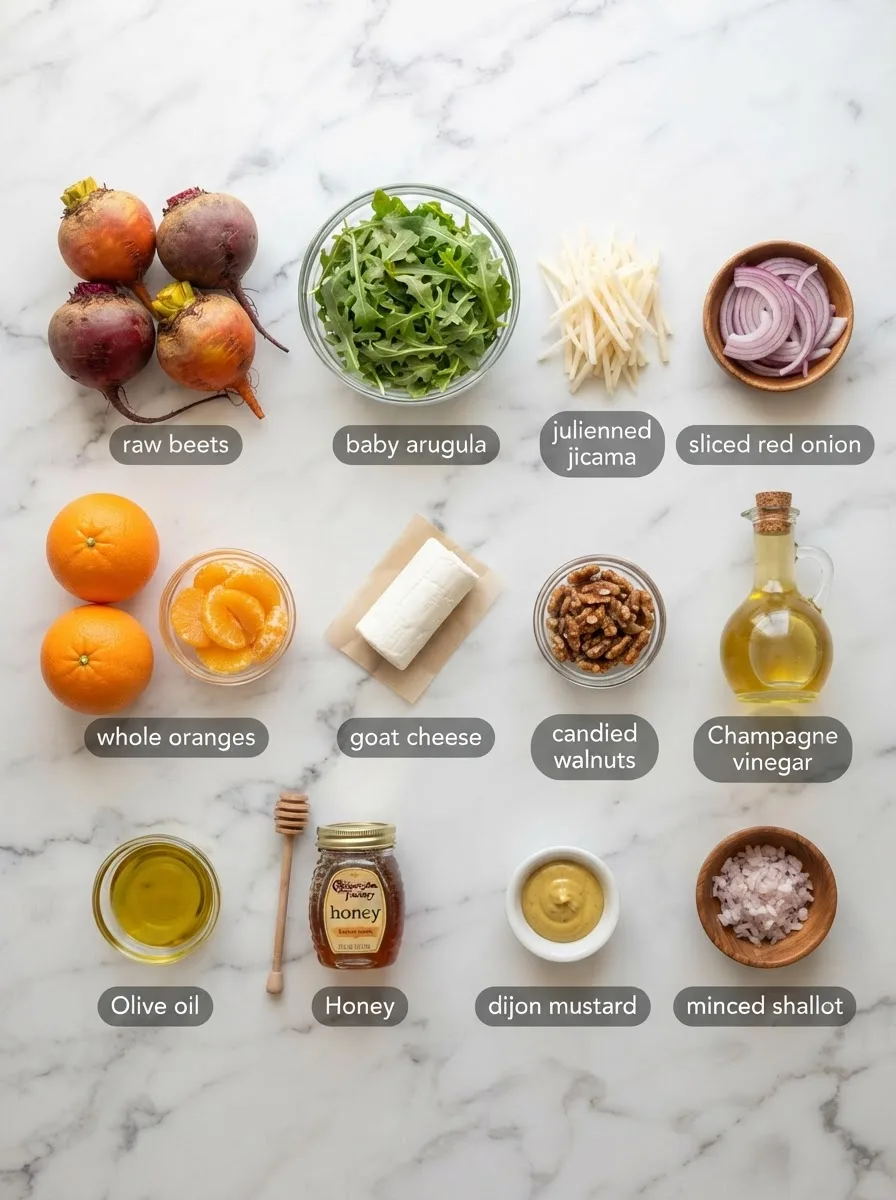
Beets (4 medium, red and golden). Wrapping them in foil and roasting low keeps the moisture in, which is the difference between tender beets and the chalky, dry ones you get from boiling too long. Look for beets that are firm with no soft spots — soft beets roast unevenly.
Champagne vinegar. This is what gives the dressing its light, slightly floral tang instead of the harsher bite of white vinegar. If you can’t find it, white wine vinegar is the closest substitute — use the same amount, but expect a slightly sharper edge.
Jicama. Adds the crunch that’s easy to skip but really shouldn’t be — without it, the salad is soft all the way through. Julienne it thin, right before serving, so it doesn’t dry out at the edges.
Goat cheese (chevre). Soft goat cheese crumbles into little clouds instead of hard chunks, and its tang cuts through the sweetness of the beets and honey. Feta works as a substitute, though it’s saltier and less creamy.
Candied walnuts. Store-bought works fine here, but homemade candied walnuts (just walnuts, sugar, and a pinch of salt melted together in a skillet) taste noticeably fresher and less waxy.
Ingredient Note: Buy beets with the greens still attached if you can — they’re a sign of freshness, and greenless beets in the store have often been sitting longer than they look like they have.
Equipment You’ll Need
- Rimmed baking sheet — for roasting the foil-wrapped beets; a 9×13 baking dish works as a substitute.
- Aluminum foil — to wrap the beets for roasting; without it, they dry out on the surface before the center cooks through.
- Mandoline or sharp knife — for the thin red onion slices and jicama julienne; a knife works fine if you go slowly.
- Small mason jar or jar with a lid — for shaking the vinaigrette together; a bowl and whisk work too.
- Salad spinner — to dry the greens thoroughly; wet greens water down the vinaigrette and make everything slide around the plate.
Controlling Beet Texture: Roasting Method (A Controlled Test)
I tested three ways to cook the beets for this salad: boiling, roasting unwrapped, and roasting wrapped tightly in foil. The goal was tender beets that hold their shape when cubed — not mushy, not chalky.
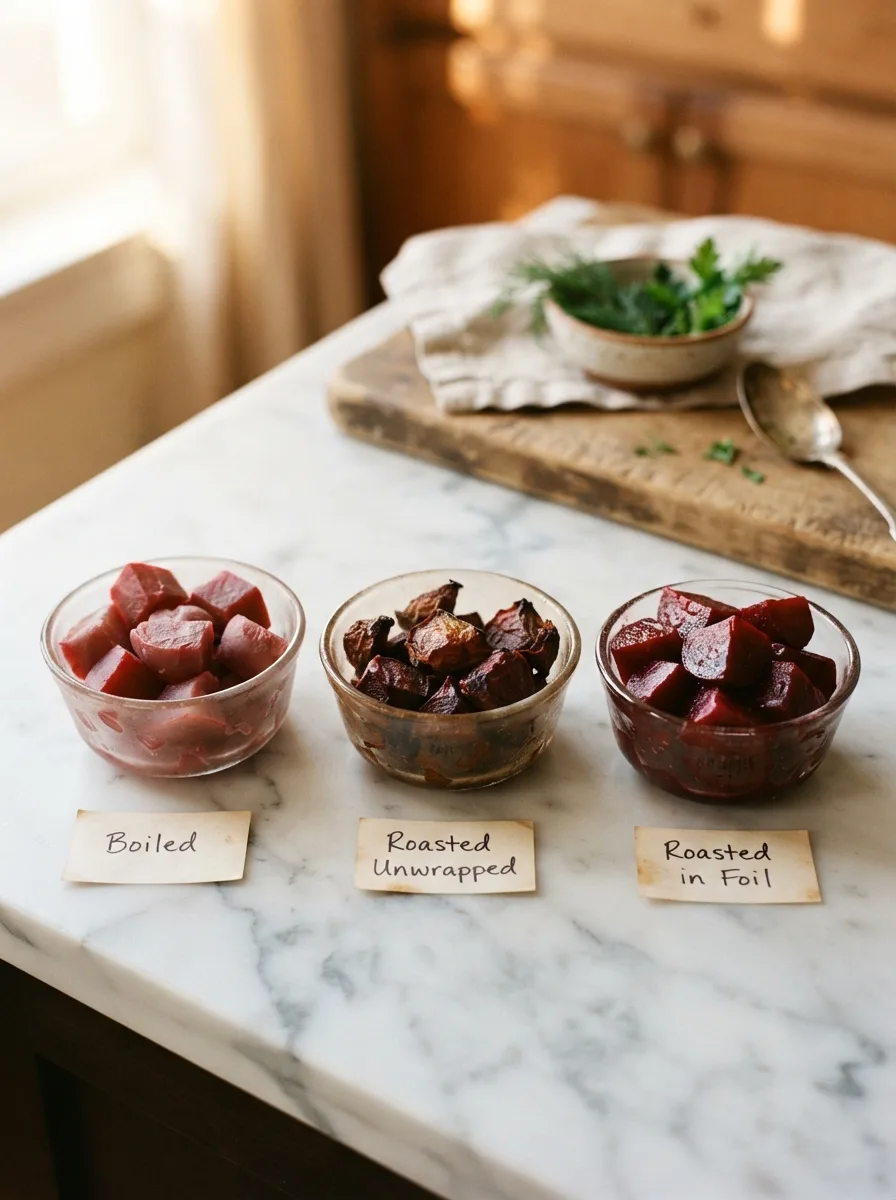
Boiled beets came out watery and a little bland — the flavor leaches into the pot. Roasting unwrapped concentrated the flavor but dried out the edges, especially on the smaller beets. Wrapping the beets tightly in foil before roasting gave the most consistent result across three separate tests: tender all the way to the center, deep in color, with no dried-out edges. That’s the method in the recipe below, and it’s the one I won’t be changing.
How to Make Cheesecake Factory Beet Salad
Before you start: Preheat your oven to 400°F. Trim the beet greens (save them for another use if you like — they sauté nicely) and scrub the beets clean, but leave the skins on for roasting.
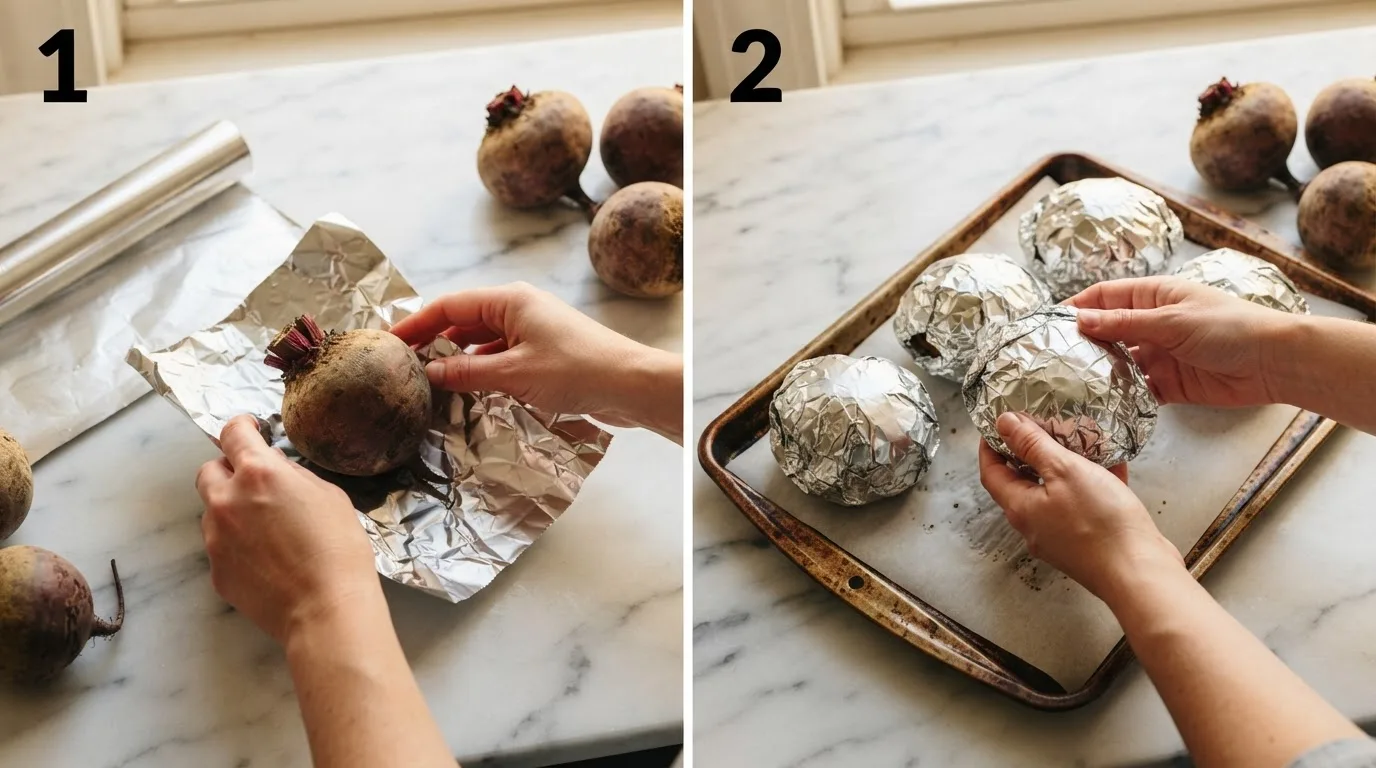
Step 1 — Wrap and roast the beets
Wrap each beet individually in foil and place them on a rimmed baking sheet. Roasting them individually, rather than in one big foil packet, means each beet steams in its own moisture and cooks more evenly.
Step 2 — Roast until fork-tender
Roast the foil-wrapped beets for 45–60 minutes, depending on their size, until a fork slides into the center with almost no resistance. Let them cool in the foil for at least 20 minutes — this makes the skins slip off easily with just your fingers or a paper towel.
Step 3 — Peel and cube the beets
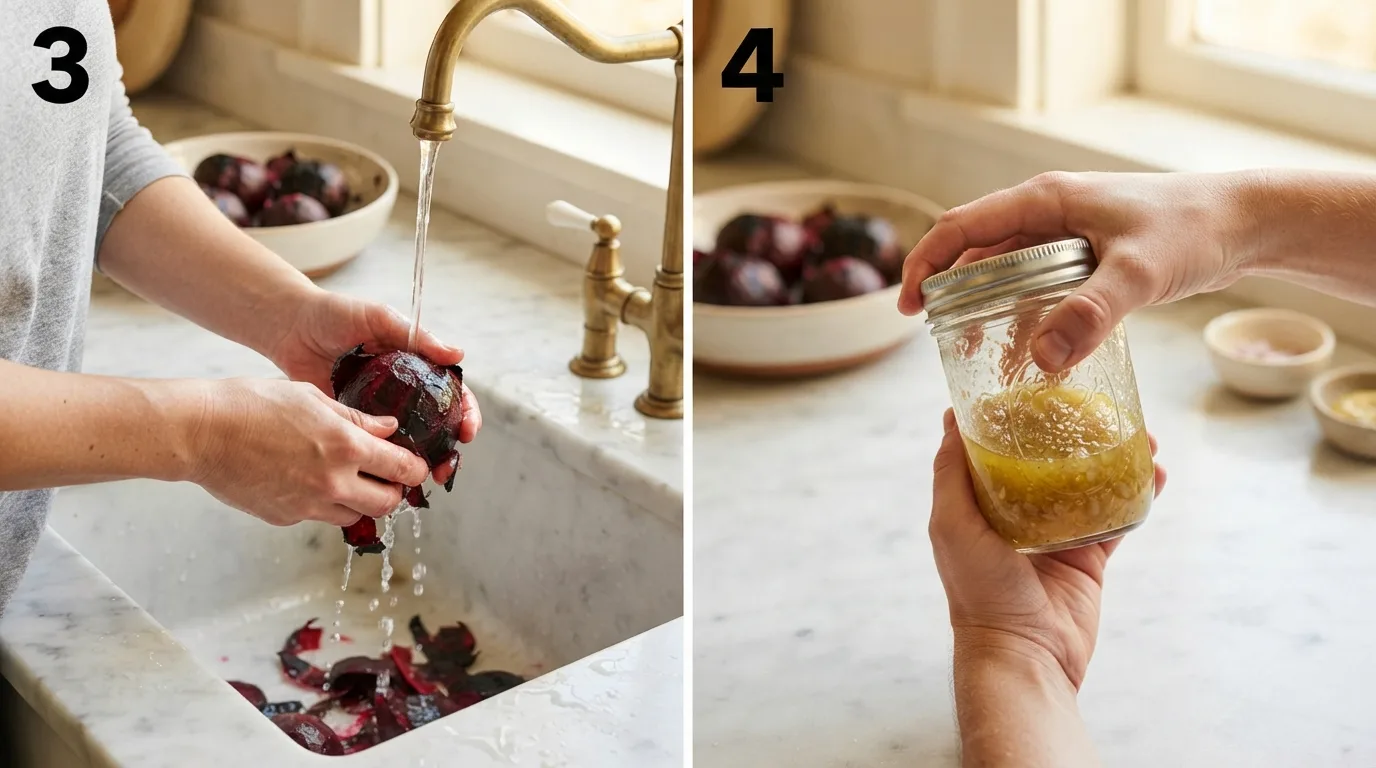
Once cool enough to handle, unwrap the beets and rub off the skins under running water — they should come off in one motion, no peeler needed. Cut the beets into even ½-inch cubes.
Step 4 — Make the champagne vinaigrette
Combine the champagne vinegar, olive oil, honey, dijon mustard, minced shallot, salt, and pepper in a jar with a tight lid. Shake vigorously for about 20 seconds until the mixture looks slightly thickened and no longer separates immediately — that’s the emulsion holding.
Step 5 — Prep the jicama, orange, and onion
Julienne the jicama into thin matchsticks, segment the oranges (cut away the peel and pith, then slice between the membranes to release clean segments), and slice the red onion paper-thin. Soak the onion slices in ice water for 10 minutes to soften their bite — this is the step people skip and then wonder why the onion overpowers everything.
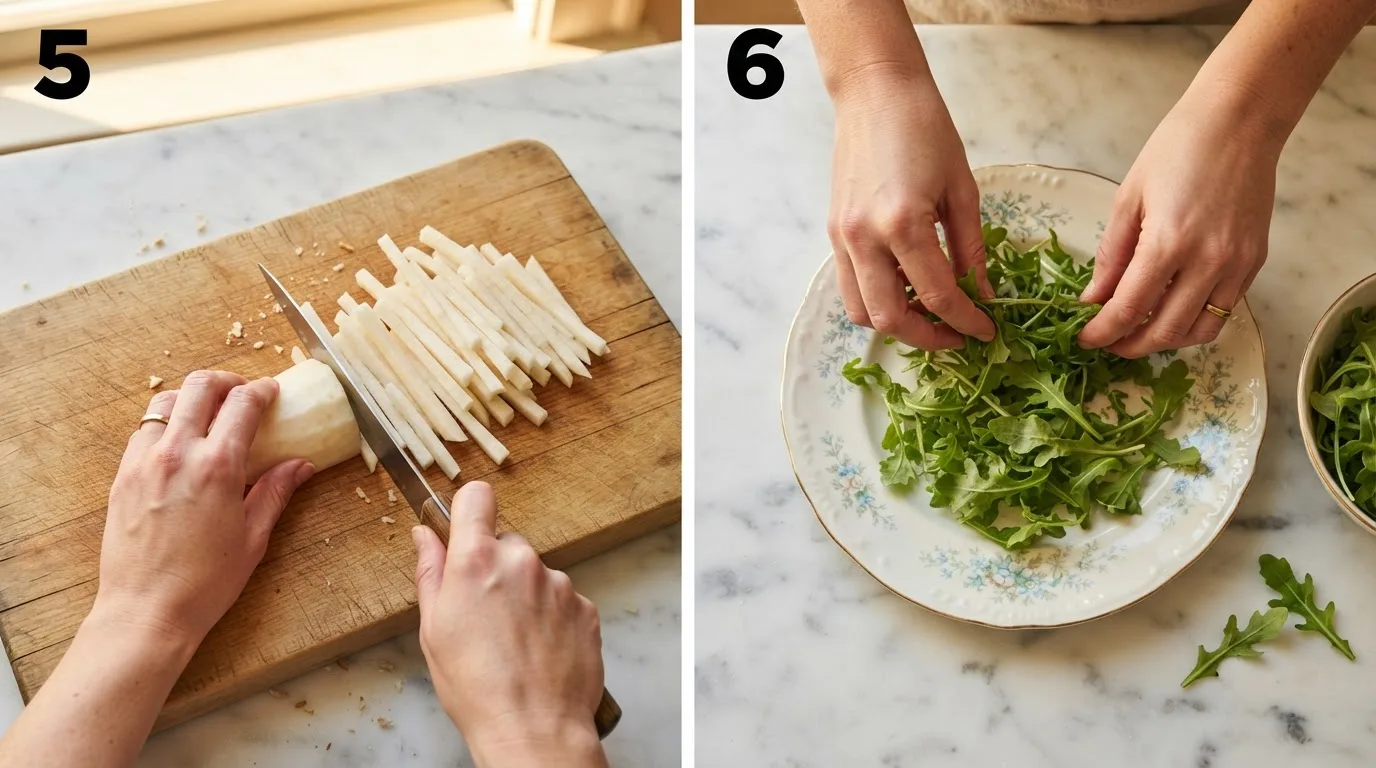
Step 6 — Assemble the salad
Spread the arugula (or baby greens) across a large platter or individual plates. Scatter the beet cubes, jicama, orange segments, and drained red onion over the top.
Step 7 — Dress and finish
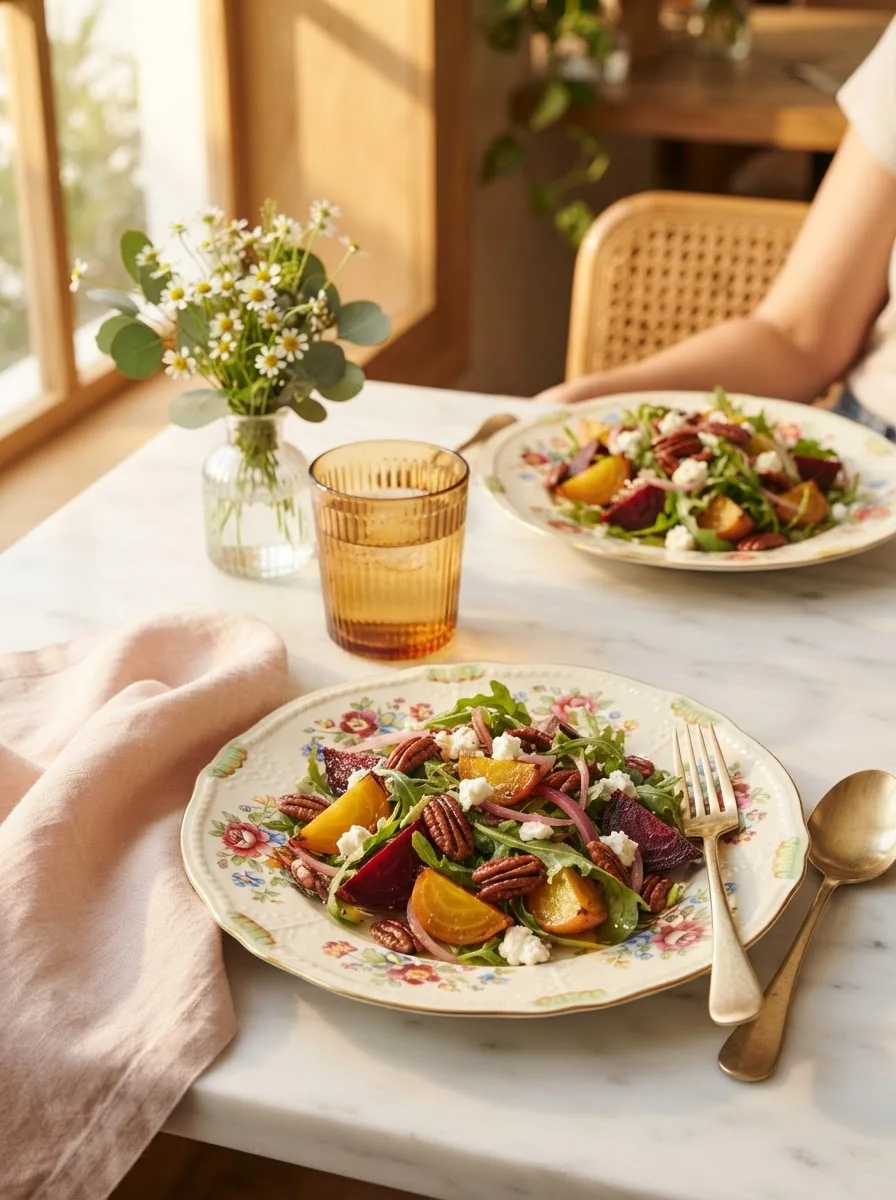
Drizzle the champagne vinaigrette over the salad — start with about two-thirds of it and add more to taste, since the beets release some liquid as they sit. Finish with crumbled goat cheese and candied walnuts, then serve right away.
Pro Tips for Perfect Cheesecake Factory Beet Salad
Tip 1: Roast the beets a day ahead. Cooked beets keep well in the fridge for up to 4 days, and roasting them ahead means the only thing left to do at serving time is assemble.
Tip 2: Dress the salad at the last minute. Beet juice and vinaigrette both wilt greens fast. If you’re serving this for a gathering, keep the dressed beets separate from the greens until right before guests arrive.
Tip 3: Wear gloves when handling beets. Beet juice stains skin (and cutting boards) for days. A pair of disposable gloves saves you the pink-fingered look for the rest of the week.
Tip 4: Don’t skip the ice water soak for the onion. Ten minutes in ice water takes the sharp, raw bite off red onion without losing the crunch — it’s the difference between onion that complements the salad and onion that takes it over.
Variations and Substitutions
Dietary Variations:
- Dairy-free: Skip the goat cheese or swap in a dairy-free feta-style crumble. The salad loses some creaminess, but the vinaigrette and walnuts still carry a lot of flavor.
- Nut-free: Leave out the candied walnuts, or swap in roasted pumpkin seeds for the crunch without the tree nuts.
Flavor Variations:
- Add fennel: Thinly shaved fennel adds an anise note that pairs well with the orange and beets — add it alongside the jicama.
Ingredient Substitutions:
- No champagne vinegar? White wine vinegar works 1:1, though the flavor will be slightly sharper.
- No jicama? Thinly sliced apple or pear adds a similar crunch with a touch more sweetness.
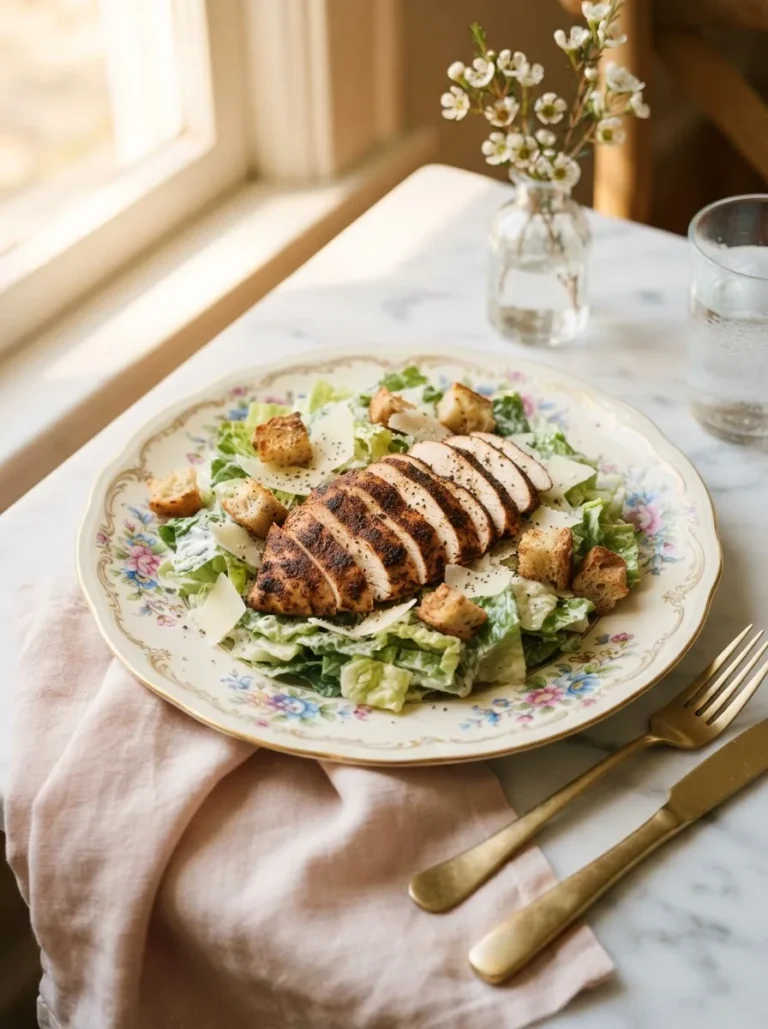
If you like this one, my cheesecake factory caesar salad recipe is another copycat from the same menu that’s just as easy to pull together at home.
Troubleshooting
Why are my beets still hard after roasting?
This usually means they were roasted at too low a temperature or removed too early. Beets vary in density depending on size and freshness — always test with a fork rather than relying only on the timer, and give undercooked beets another 15 minutes wrapped back up in foil.
Why does my vinaigrette separate on the plate?
Champagne vinaigrette will naturally separate a bit as it sits because it’s an emulsion, not a stable mixture. Shake it again right before pouring, and don’t dress the salad too far ahead of time.
Why is my salad soggy?
Wet greens are almost always the cause. Dry the arugula thoroughly in a salad spinner after washing, and don’t add the vinaigrette until you’re ready to serve.
Storage and Make-Ahead
Counter: This salad is best served immediately once dressed and shouldn’t sit out longer than about 1 hour.
Refrigerator: Store the roasted, cubed beets, prepped vinaigrette, and cut jicama/orange separately in airtight containers for up to 4 days. Keep the greens separate and dressed just before serving.
Freeze: Roasted beets freeze well for up to 3 months — thaw in the fridge overnight before using. The greens, vinaigrette, and fresh produce do not freeze well.
Reheating: This salad is served cold or room temperature — no reheating needed.
Make-Ahead: Roast the beets and make the vinaigrette up to 2 days ahead. Prep the jicama, orange, and onion the morning you plan to serve, and assemble just before eating.
Frequently Asked Questions
Q: What is the cheesecake factory beet salad dressing made of? A: The dressing is a champagne vinaigrette made with champagne vinegar, olive oil, honey, dijon mustard, and minced shallot. It’s lightly sweet with a soft tang, which balances the earthy beets and tangy goat cheese.
Q: Can I use canned beets instead of roasting fresh ones? A: You can, though the texture will be softer and the flavor less concentrated. If using canned, drain well and pat dry before adding to the salad so they don’t water down the vinaigrette.
Q: Is this salad gluten-free? A: Yes, every ingredient in this recipe is naturally gluten-free as written.
Q: Can I make this vegan? A: Yes — leave off the goat cheese or substitute a plant-based feta-style crumble, and swap the honey in the vinaigrette for maple syrup or agave.
Q: How far ahead can I prep this for a party? A: Roast the beets and make the vinaigrette up to 2 days ahead. Cut the jicama, orange, and onion the day of, and assemble right before serving so the greens don’t wilt.
Q: Why did my beets turn my hands and cutting board pink? A: Beet juice contains betalain pigments that stain easily. Wear gloves when peeling and cutting, and use a cutting board you don’t mind staining, or line it with parchment.
Q: Can I use a different green instead of arugula? A: Baby spinach, spring mix, or baby kale all work well. Arugula’s peppery bite is closest to the restaurant version, but any tender green will hold up fine.
More Salad Recipes You’ll Love
- Sumac Slaw — a bright, tangy slaw with the same easy make-ahead quality as this beet salad
- Cheesecake Factory Caesar Salad Recipe — another copycat classic from the same menu
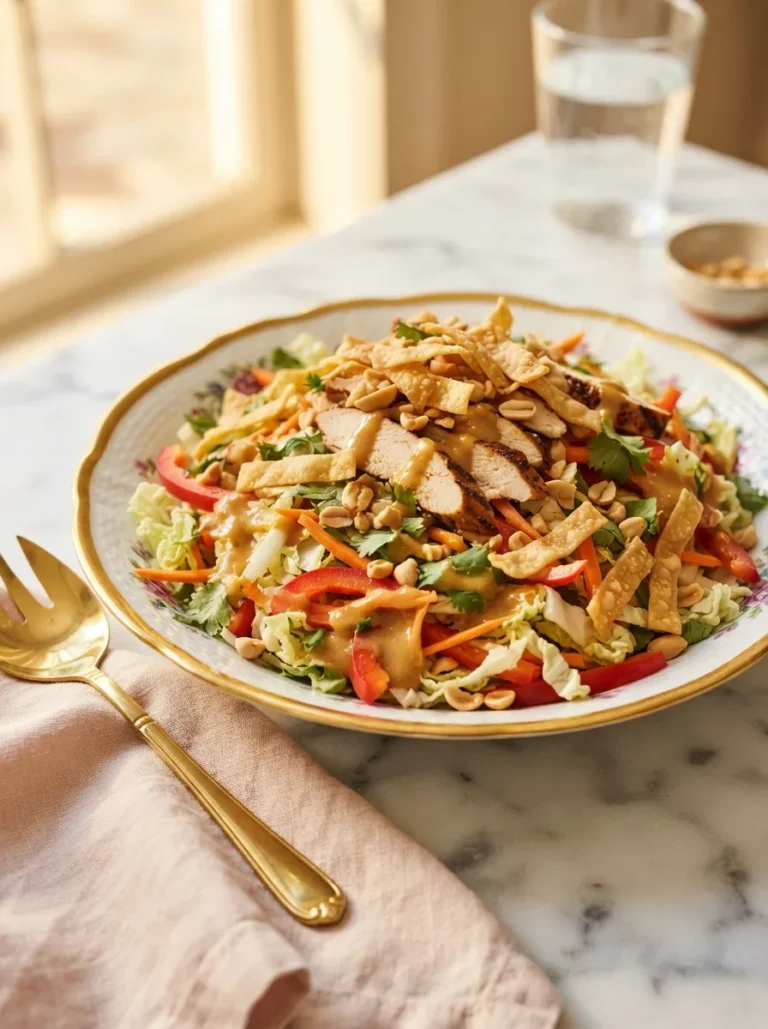
- Thai Chicken Salad Cheesecake Factory — a crunchy, peanut-dressed copycat that makes a great main-dish pairing
- Hawaiian Bros Pasta Salad Recipe — a creamy, crowd-pleasing side for the same table

Copycat Cheesecake Factory Beet Salad
Ingredients
For the salad:
- 4 medium beets (red and golden, about 1.5 lbs)
- 5 oz baby arugula (about 6 cups)
- 1 cup jicama, julienned
- 1/4 cup red onion, thinly sliced
- 2 navel oranges, segmented
- 4 oz goat cheese (chevre), crumbled
- 1/2 cup candied walnuts
For the champagne vinaigrette:
- 3 tablespoon champagne vinegar
- 1/2 cup olive oil
- 1 tablespoon honey
- 1 teaspoon dijon mustard
- 1 tablespoon minced shallot
- 1/4 teaspoon salt, plus more to taste
- 1/4 teaspoon black pepper, plus more to taste
Instructions
- Preheat the oven to 400°F. Scrub the beets clean, leaving the skins on, and wrap each one individually in aluminum foil.
- Place the foil-wrapped beets on a rimmed baking sheet and roast for 45–60 minutes, until a fork slides into the center with almost no resistance.
- Let the beets cool in the foil for at least 20 minutes, then unwrap and rub the skins off under running water. Cut into ½-inch cubes.
- Combine the champagne vinegar, olive oil, honey, dijon mustard, minced shallot, salt, and pepper in a jar with a tight lid. Shake vigorously for 20 seconds until slightly thickened.
- Julienne the jicama, segment the oranges, and thinly slice the red onion. Soak the onion in ice water for 10 minutes, then drain well.
- Spread the arugula across a platter or individual plates. Scatter the beets, jicama, orange segments, and drained onion over the top.
- Drizzle with about two-thirds of the vinaigrette, adding more to taste. Finish with crumbled goat cheese and candied walnuts. Serve immediately.
Notes
- Roast the beets up to 2 days ahead and store cubed in an airtight container in the fridge.
- The vinaigrette keeps in the fridge for up to 1 week — shake well before each use since it separates naturally.
- Wear disposable gloves when peeling and cutting beets to avoid staining your hands.
- Soak the red onion in ice water for at least 10 minutes to soften its raw bite before adding to the salad.
- Dress the salad no more than 15–20 minutes before serving to keep the greens from wilting.
- For a dairy-free version, omit the goat cheese or use a plant-based feta-style crumble.
- For a nut-free version, swap the candied walnuts for roasted pumpkin seeds.
- Leftover assembled salad is best eaten within a few hours; store any undressed components separately for longer freshness.